
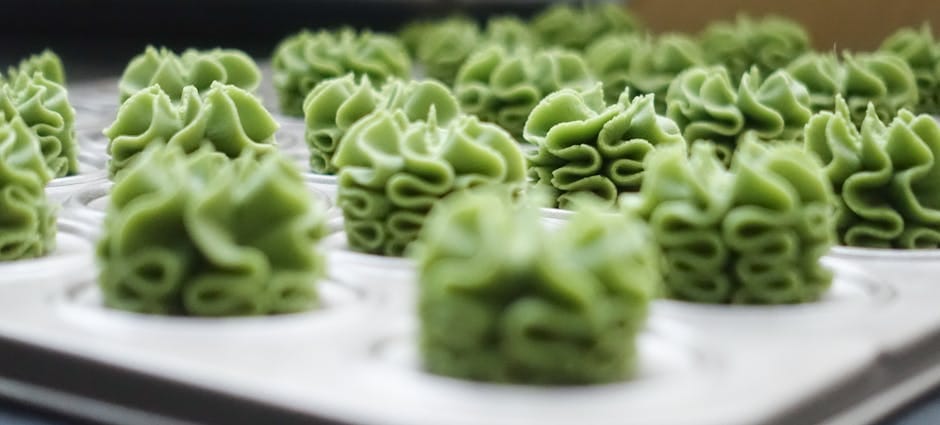
Green Desserts: Your Complete 2025 Guide to Sustainable Sweet Treats
Key Takeaways
- Green desserts combine sustainability, health, and taste to meet modern consumer demands.
- Organic, locally sourced ingredients deliver nutritional benefits and reduce environmental impact.
- A wide range of global traditions—from matcha mochi to avocado chocolate pudding—offer creative ways to stay green.
Quick Navigation
- Introduction to Green Desserts & Relevance
- Core Concept: The Fundamentals
- Understanding Green Desserts: Ingredients and Techniques
- The Role of Sustainability in Dessert Creation
- The Cultural Context of Green Desserts
- The Ultimate Step-by-Step Guide to Making Green Desserts
- Phase 1: Preparation
- Phase 2: Execution
- Phase 3: Optimization & Maintenance
- Common Pitfalls & Solutions
- In-Depth Analysis: Cost, Pros & Cons
- Financial Breakdown: Cost of Green Desserts
- Benefit Analysis: Why Choose Green?
- Drawbacks & Considerations
- Spotlight on Green Desserts Around the World
- Eco-Lodges as Culinary Experiences: Siwa Oasis, Egypt
- Luxurious Green Retreats: Secret Bay, Dominica
- Nature-Inspired Desserts: Monteverde Cloud Forest, Costa Rica
- Creative Variations and Inspirations for Green Desserts
- Incorporating Seasonal Fruits: Lucky Charms Treats
- Plant-Based Alternatives
- Captivating Presentation Ideas
- Frequently Asked Questions (FAQ) About Green Desserts
- Conclusion & Final Thoughts

Introduction to Green Desserts & Relevance
Green desserts are unique in their flavor and their intentional focus on sustainability. In an era where health and environmental concerns dominate discussions, the shift toward green desserts has become increasingly important. They symbolize a commitment to a lifestyle that combines pleasure with responsibility. (Source: Wikipedia).
As consumer awareness grows, the demand for eco-friendly, health-conscious food options has surged. Green desserts utilize organic ingredients that prioritize health benefits while emphasizing sustainability. These delightful treats often feature seasonal fruits, natural sweeteners, and ethically sourced components. By blending culinary creativity with environmental awareness, chefs are crafting green desserts that provide a sweet escape without guilt.
Throughout this guide, we’ll explore everything from delectable recipes to the reasons why green desserts are increasingly relevant in today’s food culture. We’ll also share compelling statistics to showcase the rise of the green movement.
Core Concept: The Fundamentals
Understanding Green Desserts: Ingredients and Techniques
Green desserts stand out for their intentional use of organic and locally-sourced ingredients. The goal is to ensure that each dessert not only captivates the taste buds but also supports a healthier planet. Common ingredients in green desserts include:
- Fruits: Seasonal and organic options like avocados, bananas, and berries add natural sweetness and rich textures.
- Nuts: Almonds, walnuts, and cashews contribute healthy fats and proteins, offering beneficial qualities.
- Natural Sweeteners: Alternatives like maple syrup, raw honey, or agave reduce refined sugar intake while enhancing flavor.
Crafting green desserts involves techniques that respect the integrity of these organic ingredients. For instance, employing methods like gentle maceration for fruits can intensify flavors without compromising their nutritional value.
Pro Tip: Always read labels when purchasing ingredients. Look for trusted certifications like USDA Organic to ensure the highest standards of quality in your green desserts.
The Role of Sustainability in Dessert Creation
Sustainability is the backbone of the green desserts movement. Events like St. Patrick’s Day provide an excellent opportunity to create themed treats grounded in eco-friendly practices.
Consider using matcha or natural food colorings to give your St. Patrick’s Day desserts a vibrant green hue, aligning perfectly with the celebration’s theme. Utilizing local produce to enhance your green desserts adds freshness while minimizing carbon footprints.
For instance, a matcha-flavored vegan cheesecake uses locally sourced nuts and coconut cream, ensuring sustainability while delivering an aesthetic treat that captures the holiday spirit.
The Cultural Context of Green Desserts
The cultural significance of green desserts operates on multiple levels. They bring together traditional recipes and modern health practices, creating a unique culinary bridge.
Around the globe, various cultures have rich dessert traditions that incorporate green ingredients:
- In Japan, matcha is celebrated not only for its flavor but also for its health benefits. Desserts such as matcha mochi highlight this ingredient beautifully.
- In Mediterranean countries, pistachio desserts, often paired with honey or yogurt, showcase local nuts in a flavorful embrace of history and innovation.
Exploring green desserts globally reveals a fascinating interplay of culture, history, and health consciousness. Each bite tells a story that transcends boundaries.
The Ultimate Step-by-Step Guide to Making Green Desserts
Phase 1: Preparation
Creating amazing green desserts starts with thorough preparation. Here are essential steps to ensure success:
- Select Reputable Suppliers: Choose local markets or online stores specializing in organic products.
- Gather Essential Tools:
- Blenders
- Baking trays
- Measuring cups and spoons
- Molds for creative shapes
- Piping bags for decoration
Phase 2: Execution
Transforming raw ingredients into delectable green desserts requires specific techniques. Here’s a detailed look at recipes you can create:
1. Vegan Matcha Mousse
Ingredients: Matcha powder, coconut cream, maple syrup, and aquafaba.
- Whip aquafaba until soft peaks form.
- In a separate bowl, mix coconut cream, matcha, and maple syrup.
- Gently fold in the aquafaba for airy texture.
- Chill before serving.
2. Avocado Chocolate Pudding
Ingredients: Ripe avocados, cocoa powder, agave syrup, and almond milk.
- Blend avocados until smooth.
- Add cocoa powder and agave syrup, then mix well.
- Adjust with almond milk for desired consistency.
- Serve chilled for a rich treat.
Pro Tip: Always taste and adjust flavors as you go. Balance sweetness to your liking while maintaining the essence of the ingredients.
Phase 3: Optimization & Maintenance
Improving the flavors and presentation of green desserts enhances the overall experience. Here are some methods:
- Flavor Balancing: Use a pinch of salt to enhance sweetness or a dash of acidity to brighten flavors.
- Storage Techniques: Store in airtight containers to maintain freshness. Most green desserts fare well in the fridge for a limited time.
- Creative Plating: Use edible flowers or fresh fruits to add visual appeal. A drizzle of homemade sauce or a sprinkle of nuts can elevate your dish significantly.
Common Pitfalls & Solutions
Even seasoned chefs can face challenges with green desserts. Here are common pitfalls and how to avoid them:
- Improper Measurements: Always use a kitchen scale or measuring tools for accuracy, especially when adapting recipes.
- Quality of Produce: Low-quality ingredients can compromise flavor. Choosing local and organic sources is key to maximizing taste.
Pro Tip: If you find your dessert too sweet, adding a splash of lemon or lime juice can provide a refreshing contrast.
In-Depth Analysis: Cost, Pros & Cons
Financial Breakdown: Cost of Green Desserts
Understanding the financial aspects of green desserts is essential for both home and commercial bakers. Organic ingredients generally come at a premium compared to conventional options. Here’s a breakdown:
- Organic Ingredients: Expect to spend about 20-30% more on organic fruits and nuts than standard products.
- Cooking Appliances: Quality blenders or kitchen gadgets may range from $50 to several hundred dollars, but investing in durable equipment enhances performance over time.
- Classes: A culinary class focused on green desserts can cost anywhere from $50 to $200, depending on the length and expertise.
While initial costs may be higher, the benefits often outweigh expenses, especially regarding health and environmental impact.
Benefit Analysis: Why Choose Green?
Choosing green desserts comes with numerous advantages:
- Health Benefits: They generally contain less refined sugar and more nutritional ingredients, promoting overall wellbeing.
- Environmental Impact: Supporting organic farming practices contributes to the reduction of harmful chemicals in agriculture, encouraging biodiversity.
Statistics indicate that demand for organic products is increasing, with over 50% of consumers willing to pay more for sustainable options. This data reinforces the relevance of green desserts in modern culinary practices.
Drawbacks & Considerations
While the appeal of green desserts is strong, they have their drawbacks:
- Higher Costs: Organic ingredients often come with a higher price tag, which can be a deterrent for some.
- Accessibility: In some regions, organic produce may be difficult to find, limiting the potential for making green desserts.
- Shelf Life: Organic ingredients may spoil faster than conventional ones, making timely consumption crucial.
A transparent examination of these challenges allows individuals to make informed choices when pursuing the green desserts lifestyle.
Spotlight on Green Desserts Around the World
Eco-Lodges as Culinary Experiences: Siwa Oasis, Egypt
Traveling to extraordinary culinary destinations amplifies your experience with green desserts. For instance, Siwa Oasis in Egypt offers a unique opportunity to enjoy ecological sustainability.
Here, ecolodges serve organic meals showcasing local ingredients. Guests can indulge in a dessert of date and pistachio parfaits while surrounded by the serene environment of salt lakes.
Luxurious Green Retreats: Secret Bay, Dominica
Another remarkable destination is Secret Bay in Dominica. It functions as an eco-resort that emphasizes local, organic farming. Their signature green desserts might feature local tropical fruits and artisan chocolate, brought directly from their own organic farm.
Relaxing in rainforest surroundings enhances the experience as you savor desserts that reflect the island’s flavor and culture.
Nature-Inspired Desserts: Monteverde Cloud Forest, Costa Rica
The lush gardens surrounding the Hotel Belmar in Monteverde create the perfect backdrop for green desserts. Utilizing ingredients grown from their organic gardens, chefs prepare exquisite dishes that reflect the biodiversity of the area.
Imagine enjoying a creamy coconut and avocado tart while listening to the sounds of the jungle nearby. The connection between food and nature becomes tangible and delicious.
Creative Variations and Inspirations for Green Desserts
Incorporating Seasonal Fruits: Lucky Charms Treats
Utilizing seasonal fruits can elevate green desserts significantly. For St. Patrick’s Day, consider reimagining typical desserts, such as Lucky Charms treats, by substituting traditional ingredients with healthier versions.
Use puffed rice, organic marshmallows, and fresh fruit for color. Incorporating blueberries or green apples adds flavor and maximizes nutritional content while keeping the festive theme intact.
Plant-Based Alternatives
The trend toward plant-based ingredients continues to flourish in the world of green desserts. Replacing traditional dairy with options like nut milks and using natural sweeteners can enhance health benefits while maintaining indulgence.
For example, a creamy vegan chocolate tart made with almond milk and dates instead of heavy cream allows everyone to enjoy this dessert guilt-free.
Captivating Presentation Ideas
Visual presentation plays a crucial role in enjoying green desserts. The aesthetic appeal can transform a simple treat into a work of art. Here are some captivating presentation ideas:
- Use clear glass jars to layer dessert components for a visually engaging treat.
- Decorate with a variety of edible flowers and vibrant fruits.
- Experiment with different shapes using molds and cutters.
Pro Tip: Lighting is essential for food photography. Natural light enhances colors, making your green desserts pop and inviting more people to indulge.
Frequently Asked Questions (FAQ) About Green Desserts
What are green desserts made from?
Green desserts are typically made from organic ingredients like fruits, nuts, and natural sweeteners. They avoid artificial additives to enhance healthier choices.
How can I make my traditional desserts more environmentally friendly?
You can make traditional desserts more eco-friendly by substituting ingredients with organic options, minimizing food waste, and sourcing local produce for your green desserts.
What are popular examples of green desserts for celebrations?
Popular green desserts for celebrations include matcha tiramisu and avocado chocolate mousse, which are both healthy and delightful, making them ideal for occasions like St. Patrick’s Day.
Are green desserts also healthy?
Yes, many green desserts are healthy as they often incorporate wholesome ingredients, reducing refined sugar and increasing nutritional benefits from fruits and nuts.
How can I store green desserts?
Since organic ingredients can spoil quickly, it’s best to consume green desserts fresh. However, many can be stored in airtight containers and refrigerated for a limited time.
Conclusion & Final Thoughts
In 2025, green desserts represent a delicious blend of sustainability and indulgence, appealing to a growing audience eager to enjoy guilt‑free treats. With countless recipes inspired by the latest eco‑friendly trends, there’s never been a better time to start exploring this exciting culinary movement.
From simple avocado chocolate pudding to elaborate matcha cheesecakes, green desserts offer something for everyone. By choosing organic ingredients, supporting local farmers, and reducing your environmental impact, you’re not just creating delicious treats—you’re contributing to a healthier planet.
Start your green desserts journey today by experimenting with one of the recipes in this guide. Share your creations with friends and family, and inspire others to embrace sustainable, health‑conscious desserts. The future of dessert is green, and it’s absolutely delicious.