
Machu Picchu History, Facts & Significance: Complete 2025 Guide
Key Takeaways
- Machú Picchu is a 15th‑century Inca citadel in Peru, a UNESCO World Heritage Site and one of the New Seven Wonders of the World.
- The dry season (May–September) offers the best weather; shoulder months such as April and October are quieter alternatives.
- Plan early: book tickets 2–3 months in advance, acclimatize in Cusco, and choose between train or the Inca Trail.
- Introduction to Machu Picchu History, Facts & Significance
- Historical Background & Core Concepts
- When Was Machu Picchu Built?
- Architectural Features & Engineering
- Social & Religious Importance
- Step‑by‑Step Guide to Visiting Machu Picchu in 2025
- Phase 1: Planning Your Trip
- Phase 2: Getting There
- Phase 3: Maximizing Your Visit
- Common Challenges & Solutions
- Cost Analysis & Practical Considerations
- Financial Breakdown for 2025
- Benefits of Visiting
- Potential Drawbacks
- Frequently Asked Questions About Machu Picchu
- What is Machu Picchu?
- How do I get to Machu Picchu?
- When is the best time to visit in 2025?
- What should I pack for my visit?
- Are there entry restrictions?
- Conclusion & Next Steps

Introduction to Machu Picchu History, Facts & Significance
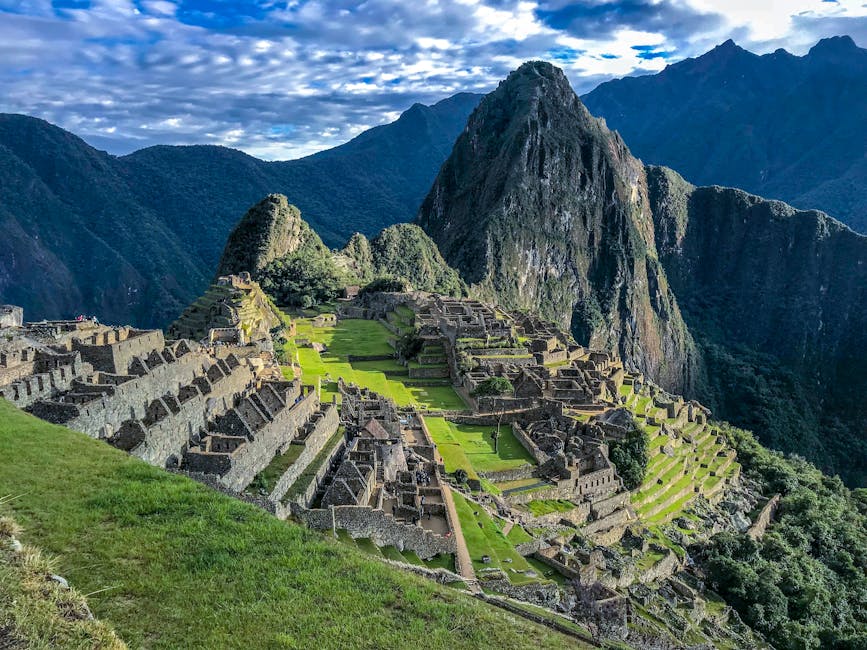
Understanding Machu Picchu history, facts, and significance provides essential insight into one of the world’s most celebrated archaeological wonders. Located in the Peruvian Andes at 2,430 meters (7,970 feet) above sea level and roughly 80 kilometers (50 miles) from Cusco, this ancient site holds recognition as both a UNESCO World Heritage Site and one of the New Seven Wonders of the World. Machu Picchu represents more than scenic beauty—it reveals the advanced engineering, architecture, and spiritual practices of the Inca civilization. Each year, tens of thousands of visitors journey here to witness this remarkable legacy. This comprehensive guide explores its origins, functions, rediscovery, and ongoing importance for travelers and scholars seeking to understand its unparalleled place in history. (Source: Wikipedia).
Historical Background & Core Concepts
When Was Machu Picchu Built?
The Inca Empire constructed Machu Picchu between 1450 and 1460 during the reign of emperor Pachacuti. This construction period represents the peak of Inca architectural innovation. Historians debate its original purpose—some believe it served as a royal estate, while others suggest it functioned as a ceremonial sanctuary in the Sacred Valley. Radiocarbon dating shows Machu Picchu was occupied from approximately 1420 to 1530, offering valuable insights into the daily lives and religious practices of its inhabitants. The site demonstrates classical Inca dry‑stone construction techniques, notable for their durability and resistance to centuries of environmental challenges.
Architectural Features and Engineering
Machu Picchu’s architectural components showcase impressive Inca innovation. The Temple of the Sun stands among its most remarkable structures, featuring precise alignment with solar events that reflects the Incas’ deep respect for nature and their celestial calendar. The Intihuatana, a ritual stone, likely served as a spiritual anchor for the Inca people, facilitating their connection to the divine.
The agricultural terraces surrounding Machu Picchu provided crucial food production necessary to sustain urban life. These terraces employed advanced agricultural techniques that allowed crops to flourish even in challenging high‑altitude conditions. The site’s layout integrates harmoniously with the natural landscape, reflecting the Inca philosophy of living in balance with their environment. Machu Picchu represents a significant achievement in urban planning that successfully combines functionality with aesthetics.
Social and Religious Importance
Machu Picchu’s history connects intimately with the social and religious life of Inca civilization. The site functioned as a spiritual center that reinforced its importance within Inca beliefs and practices. Numerous religious rituals took place within its walls, highlighting Machu Picchu’s role in governance and community spiritual life. Examining Machu Picchu as a cultural center offers greater appreciation for its significance in Inca society and the values it represented.
Step‑by‑Step Guide to Visiting Machu Picchu in 2025
Phase 1: Planning Your Trip
To maximize your Machu Picchu experience, follow these preparation steps:
- Research Seasonal Trends: The dry season from May to September typically offers the most favorable weather conditions and visibility.
- Book in Advance: Entry tickets and train reservations fill up quickly, especially during high seasons. Secure these essential components at least 2–3 months ahead.
- Physical Preparation: Spend a few days in Cusco (3,400 meters) to acclimatize to the high altitude. This preparation significantly improves your comfort and enjoyment at Machu Picchu.
Phase 2: Getting There
Upon planning your arrival at Machu Picchu, consider these logistics:
- Transportation Options: Choose between taking the train from Cusco (most common) or hiking the Inca Trail (requires permits and advance booking).
- Entry Process: Familiarize yourself with entry requirements, including ticket verification and available guided tour options for a smooth arrival experience.
Phase 3: Maximizing Your Visit
Once inside the site, use these strategies to optimize your experience:
- Guided Tours: A knowledgeable guide can provide valuable historical context and insights about the various structures, significantly enriching your understanding.
- Time Management: Allocate specific time for different areas of the site. Balance self‑exploration with guided experiences, paying special attention to structures like the Temple of the Sun and Intihuatana.
Common Challenges & Solutions
Be prepared for these potential issues:
- Altitude Sickness: Watch for symptoms like headaches, nausea, and fatigue. Consider carrying altitude medication and stay hydrated.
- Weather Preparedness: Even during the dry season, unexpected showers can occur. Pack waterproof gear to ensure comfort regardless of conditions.
Cost Analysis & Practical Considerations
Financial Breakdown for 2025
Understanding costs helps with budget planning:
- Entry Tickets: Range from $50 to $80 USD depending on nationality and season.
- Transportation: Train tickets cost $60 to $200+ USD based on service class and booking time.
- Guided Tours: Expect $100 to $300+ USD per person, varying by group size and duration.
Benefits of Visiting
Consider these returns on your investment:
- Cultural Insights: Experience an iconic piece of human history and gain extraordinary knowledge about Inca civilization.
- Natural Beauty: The breathtaking landscapes—from soaring peaks to lush cloud forests—create unforgettable experiences for nature lovers and adventure seekers.
Potential Drawbacks
Recognize these challenges when planning:
- Peak Season Crowds: Dense crowds can impact your experience. Consider visiting during shoulder seasons (April or October) for a more peaceful visit.
- Physical Demands: The site features steep steps and uneven terrain requiring moderate fitness levels.
Frequently Asked Questions About Machu Picchu
What is Machu Picchu?
Machu Picchu is a 15th‑century Inca citadel in Peru, renowned for its archaeological significance and stunning natural setting. It provides crucial insights into Machu Picchu history, facts, and significance.
How do I get to Machu Picchu?
Travelers can reach Machu Picchu via train from Cusco or by hiking the Inca Trail. Both routes offer unique experiences connected to the site’s history and significance.
When is the best time to visit in 2025?
The best time to visit is during the dry season from May to September. Shoulder months like April and October offer excellent alternatives with fewer crowds.
What should I pack for my visit?
Essential items include comfortable hiking shoes, a refillable water bottle, lightweight rain gear, sunscreen, and altitude medication if needed.
Are there entry restrictions?
Yes, daily visitor numbers are limited to preserve the site. Advanced ticket purchases are essential to secure your spot.
Conclusion & Next Steps
The history, facts, and significance of Machu Picchu illustrate the remarkable achievements of Incan culture and architectural innovation. This extraordinary site continues to inspire awe among visitors with its towering peaks, verdant valleys, and ingenious engineering. Whether you’re planning a visit, conducting research, or simply seeking to understand this captivating place, Machu Picchu offers endless discoveries.
Ready to plan your 2025 journey? Start by booking your tickets early and researching the best route for your travel style. For more comprehensive travel guides and planning resources, visit Departure Travel.