
Key Takeaways
- Explore the Nasrid Palaces, Generalife Gardens, and Alcazaba Fortress for a complete cultural experience.
- Plan your visit with timed tickets and guided tours to maximize learning and avoid crowds.
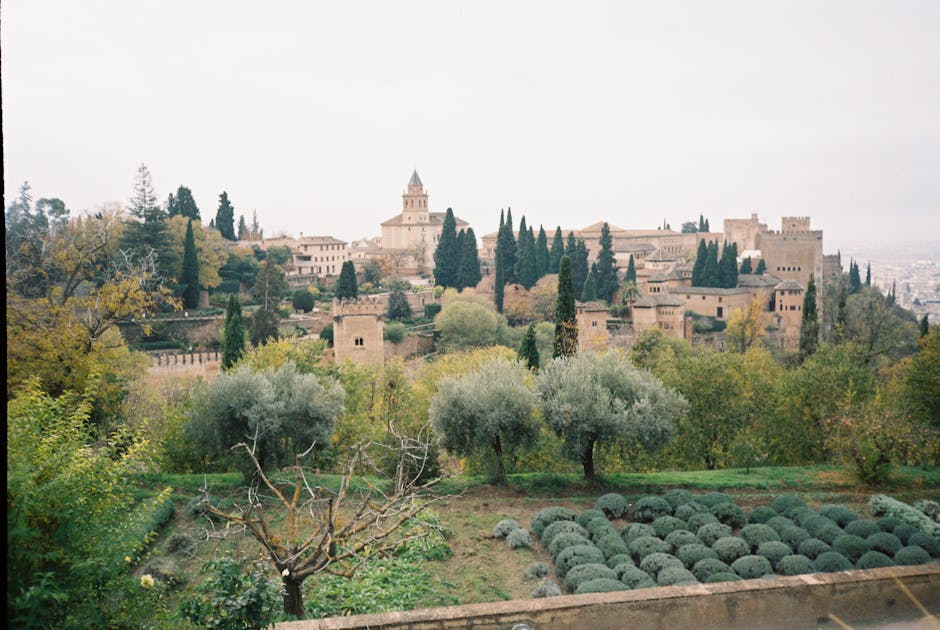
- Experience the Alhambra’s unique blend of Moorish and Christian architecture, a UNESCO World Heritage landmark.
Quick Navigation

Understanding The Alhambra’s Architecture
Nasrid Palaces:
This area includes the Comares Palace and the Palace of the Lions. These palaces feature intricate stucco work, traditional ornamentation, and stunning tile mosaics. The Palace of the Lions showcases a famous courtyard with a fountain surrounded by twelve marble lions, symbolizing strength and grace. (Source: Wikipedia).
Alcazaba Fortress:
Originally constructed for military purposes, this fortress has been integral to the defensive architecture since the 9th century. The towering walls and watchtowers provide breathtaking views of Granada and the Sierra Nevada. Exploring the Alcazaba offers insights into medieval military strategies, illustrating how the fortress protected the region.
Charles V Palace:
This Renaissance masterpiece contrasts sharply with its surroundings, featuring a round courtyard that breaks from the Moorish aesthetic. Built in 1527, it demonstrates the blending of different architectural philosophies during a significant transitional period in Spanish history.
The Gardens: A Masterpiece of Landscape Design
Water Features and Pavilions:
Designed to engage the senses, these gardens incorporate water channels and fountains, reflecting the importance of water in Moorish culture. The reflecting pools create a sense of tranquility and harmony, offering visitors a serene experience.
Seasonal Blooms:
The gardens transform throughout the year, connecting to the agricultural practices of Moorish Spain. Visitors can observe various blooms and scents, demonstrating the meticulous design that contributed to the region’s rich biodiversity.
Historical Timeline
Construction:
The origins trace back to 1238 under Muhammad I, marking the beginning of what would become a remarkable architectural achievement.
Christian Conquest:
In 1492, the Catholic Monarchs completed the Reconquista, leading to the fall of Granada and a turning point in the Alhambra’s history. The Alhambra Decree followed, resulting in the expulsion of Jews from Spain, profoundly impacting the cultural landscape.
Complete Visitor’s Guide
Phase 1: Planning Your Visit
Proper preparation ensures an enriching experience at The Alhambra.
Book Tickets:
Secure timed entry tickets online to avoid long queues. This approach saves time and enhances your visit.
Choose a Guided Tour:
A guided experience can significantly increase your understanding of the site’s intricate details. Knowledgeable guides share stories that highlight the unique elements of the architecture and gardens.
Select Your Accommodation:
Staying in Granada city ensures easy access to The Alhambra. Book hotels in advance during peak tourism seasons to secure the best options.
Phase 2: During Your Visit
Once you arrive at The Alhambra, explore systematically.
Explore the Nasrid Palaces:
Start your journey early to experience the palatial interiors without crowds. The detailed artistry of Islamic design in these palaces invites contemplation.
Visit the Alcazaba Fortress:
Climbing the fortress towers rewards you with spectacular panoramic views of Granada, a visual experience that underscores the strategic placement of the fortress.
Stroll through Generalife Gardens:
Take time to enjoy the striking scenery, beautiful blossoms, and calming water features. It’s the perfect spot to appreciate the intricate interplay of nature and design.
Phase 3: Maximizing Your Experience
To get the most from your Alhambra visit:
Utilize Audio Guides or Apps:
Audio guides allow you to explore at your own pace while gaining insights into the complex’s rich history and artistry.
Photography Tips:
Capture the stunning architectural details during sunrise or sunset for the best light. Locations like the Court of the Lions and the views from the Alcazaba create stunning photographic opportunities.
Common Mistakes to Avoid
Being aware of common pitfalls can enhance your visit.
Underestimating Time Needed:
Allocate at least half a day for thorough exploration of The Alhambra. Rushing prevents you from appreciating its grandeur.
Last-Minute Ticket Purchases:
Plan ahead, particularly during peak tourist seasons. Book your tickets in advance to avoid disappointment.
Cost Analysis and Practical Information
Financial Breakdown:
Visiting The Alhambra involves certain costs that travelers should consider.
Entry Prices:
The Nasrid Palaces ticket costs €14.85, while full Alhambra access is €19.30. A ticket for the Generalife Gardens alone is €7.
Guided Tours:
Guided experiences generally range from €40 to €60 per person, offering an engaging way to appreciate the site.
Accommodation:
Expect to spend €80 to €150 per night when booking hotels in Granada.
Benefits of Visiting:
The Alhambra offers significant cultural and educational value.
Cultural Insights:
Visiting The Alhambra allows you to experience unique Islamic architectural aesthetics, intertwined with historical significance.
UNESCO Status:
As a World Heritage site, your visit supports the preservation of cultural heritage. It’s an opportunity to contribute toward sustaining a piece of history.
Considerations:
Remain realistic about potential disadvantages.
Crowds:
Peak tourist seasons may diminish your enjoyment. Early morning visits help avoid the masses.
Weather Conditions:
Hot summers may require strategic planning to stay cool and comfortable throughout your exploration.
The Alhambra’s Cultural Impact
A Symbol of Coexistence
The Alhambra represents cultural convergence between civilizations.
Moorish and Christian Elements:
The architectural styles at The Alhambra display a unique synthesis of Islamic and Christian techniques. Colorful tiles alongside fortification walls tell a story of history marked by both struggle and unity.
Cultural Exchange:
This site represents the trade and interactions that took place between civilizations, enriching the historical narrative of Spain.
Impact on Modern Spanish Identity
Understanding The Alhambra’s lasting importance provides insight into contemporary Spain.
Tourism Influence:
As a cultural landmark, The Alhambra significantly contributes to modern tourism in Spain. It creates economic opportunities while fostering a sense of pride in national heritage.
Art and Literature:
Countless artists, writers, and musicians have drawn inspiration from The Alhambra over the centuries. This enduring influence underscores its vital role in the cultural landscape.
Educational Programs and Initiatives
Current initiatives support the promotion of The Alhambra’s heritage.
Workshops:
Educational programs for children and adults invite deeper engagement with Moorish art, ensuring the history remains alive for future generations.
Virtual Tours:
Advancements in technology enable global accessibility to The Alhambra, extending its reach and educational impact beyond geographic constraints.
Frequently Asked Questions About The Alhambra
What is the best time of year to visit The Alhambra?
The best time to visit The Alhambra is during spring (March‑May) or fall (September‑October), as the weather is mild and crowds are thinner.
How long should I plan to visit The Alhambra?
A half‑day is recommended to fully experience The Alhambra history, facts and significance, allowing enough time to explore the palaces, gardens, and the fortress.
Can I visit The Alhambra without a guided tour?
Yes, you can visit without a guided tour, but engaging with guides provides deeper insights into The Alhambra’s history and architectural details.
What are the top photography spots in The Alhambra?
The best photography spots include the Court of the Lions, Hall of the Ambassadors, and vistas from the Alcazaba, which capture The Alhambra’s beauty perfectly.
Is the Alhambra suitable for families with children?
Absolutely! The Alhambra welcomes families, though planning special activities that engage children with the site’s history can enhance their experience.
Final Thoughts
The Alhambra history, facts, and significance reveal the richness of this architectural masterpiece. The Alhambra stands as a profound symbol of historical cultural fusion, showcasing remarkable artistry and narrative depth. By engaging with its past and appreciating the art it houses, visitors forge meaningful connections with the stories embedded within these walls.
Whether you’re preparing for a visit or exploring through research, the essence of The Alhambra continues to inspire and transform those who experience it. Start planning your 2025 visit today to witness this extraordinary monument firsthand.
For more travel guides and inspiration, visit Departure Travel.