
Key Takeaways
- Kyoto’s Gion district, with origins in the 1500s, is the historic heart of geisha (geiko) culture, divided into the prestigious Gion Kobu and the more intimate Gion Higashi.
- An authentic 2025 visit requires preparation: research, booking performances like the Miyako Odori, and respecting customs, while exploring beyond the main tourist spots.
- The districts face modern challenges but remain vital centers for preserving traditional Japanese arts, architecture, and cultural heritage.

Quick Navigation
- The Origin and Evolution of Geisha Culture
- The Structure and Functioning of Gion’s Geisha Districts
- Key Elements of Geisha Culture
- Phase 1: Preparation
- Phase 2: Execution
- Phase 3: Optimization and Engagement
- Common Pitfalls and Solutions
- Financial Breakdown
- Benefit Analysis
- Drawbacks and Considerations
- Efforts in Preservation
- Challenges Faced
- Importance of Cultural Heritage
- Frequently Asked Questions
Kyoto’s Geisha Districts in 2025: History, Facts & Cultural Significance
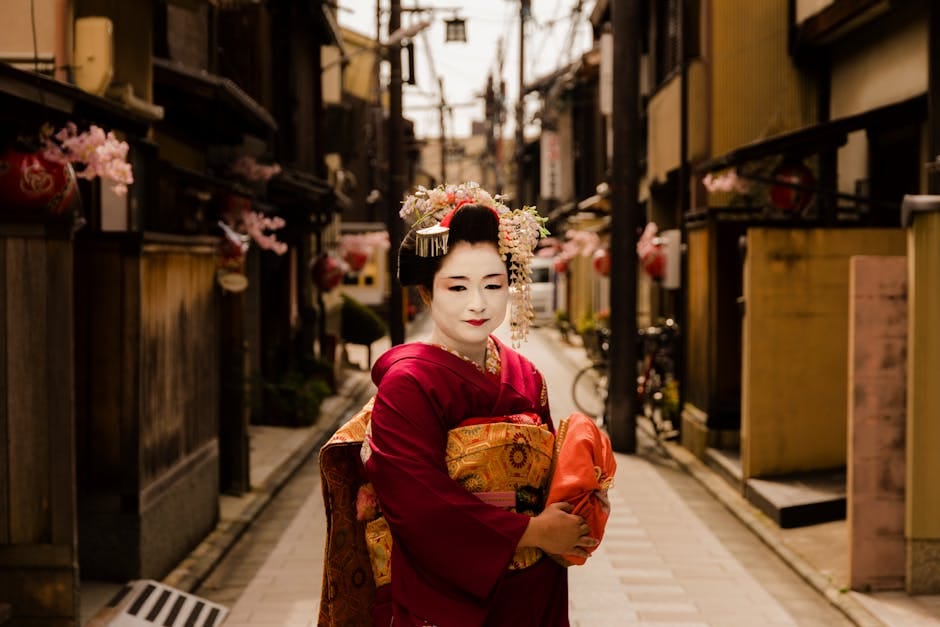
Kyoto’s geisha districts represent centuries of Japanese cultural tradition, where skilled performers maintain ancient arts in the historic neighborhood of Gion. The origins of geisha culture in Kyoto trace back to the 1500s, when Gion developed as an entertainment center for pilgrims visiting Yasaka Shrine. Here, performers known as geiko (geisha) and maiko (apprentices) dedicated themselves to mastering traditional Japanese arts, including music, dance, and tea ceremonies. These districts embody cultural heritage that continues to evolve while honoring historical practices. This guide explores the detailed aspects of Kyoto’s geisha districts, examining their rich history, cultural significance, and the authentic experiences available to visitors in 2025. (Source: Wikipedia).
Core Concepts and Fundamentals
The Origin and Evolution of Geisha Culture
Geisha culture emerged during the Sengoku period, when entertainment districts began appearing across Japan. As Kyoto grew into a major cultural center, official permissions were granted for teahouses in 1732, establishing Gion as a formal geisha quarter. This shift proved significant, as Gion became a center for the arts, allowing geiko and maiko to refine their skills in music, dance, and hospitality.
By the transition from the Edo period to the Meiji era, Gion housed approximately 500 teahouses, cementing its status as a cultural hub. This growth enabled the formalization of performances and the establishment of celebrated showcases like the Miyako Odori, which continues today as part of geisha culture’s enduring legacy.
The Structure and Functioning of Gion’s Geisha Districts
Kyoto’s Gion district divides into two distinct areas: Gion Kobu and Gion Higashi. Gion Kobu serves as the prestigious core of Kyoto’s geisha culture, home to the Minamiza Theater, an essential venue for traditional performances. The theater functions as a community cornerstone, hosting iconic dance shows that display the talent and dedication of geiko and maiko.
Gion Higashi offers a more intimate atmosphere, allowing closer interactions with maiko and geiko during performances. Each district provides unique cultural experiences, helping visitors understand the differences between the two regions while deepening their knowledge of geisha traditions.
Key Elements of Geisha Culture
Understanding Kyoto’s geisha districts requires familiarity with essential concepts and terminology. The term “kagai” refers to geisha quarters, with Gion being the most famous example. Within these districts, performers are called geiko in Kyoto dialect, while their apprentices are known as maiko.
Additionally, ochaya (teahouses) are vital establishments where geiko and maiko perform, socialize, and engage with guests. This relationship highlights the connection between the districts and the cultural practices they maintain, serving as a window through which modern visitors can appreciate traditional Japanese arts.
Your Complete Guide to Visiting in 2025
Phase 1: Preparation
To fully experience the cultural richness of Kyoto’s geisha districts, follow these preparatory steps:
- Research: Familiarize yourself with the history and significance of geiko and maiko. Understanding their traditions will enhance your visit.
- Planning: Identify visiting hours and seasonal performances, such as the renowned Miyako Odori, to capture peak cultural showcases.
- Reservations: Consider booking a geisha experience at an ochaya or reserving tickets for a performance at Gion Corner to ensure a memorable visit.
Phase 2: Execution
When you arrive, explore Gion’s highlights by:
- Walking Tours: Begin your journey at Yasaka Shrine, then walk toward Hanamikoji Street, enjoying the traditional architecture along the way.
- Cultural Participation: Attend a performance at Gion Corner, or engage in a traditional tea ceremony to immerse yourself in Japanese culture.
- Dining Experiences: Enjoy a traditional kaiseki meal at one of the teahouses lining the streets. This culinary experience beautifully complements the cultural offerings.
Phase 3: Optimization and Engagement
To maximize your immersive experience in Kyoto’s geisha districts:
- Engagement: Actively participate in cultural activities while showing respect for local customs. This approach creates enriching interactions.
- Feedback: Share your experiences on travel platforms to help guide future travelers seeking authentic encounters within Kyoto’s geisha culture.
Common Pitfalls and Solutions
While visiting, be mindful of these common mistakes:
- Overplanning: Avoid cramming too many activities into one day. Instead, prioritize key experiences for deeper engagement and a more meaningful visit.
- Disrespect for Customs: Always remain courteous. Learning basic Japanese phrases can enhance your interactions and demonstrate respect for local traditions.
- Staying Only in Popular Areas: Explore lesser-known areas, like the Shirakawa Canal, for a peaceful and scenic view of the districts. This adds another dimension to your cultural exploration.
Cost Analysis and Practical Considerations
Financial Breakdown
When budgeting for your visit to Kyoto’s geisha districts, consider these expenses:
- Walking and Observation: Most public spaces are free to explore, allowing you to enjoy the scenery without spending money.
- Cultural Exhibitions: Entry to Gion Corner’s exhibitions typically costs between 3,000 and 4,500 JPY per person, a worthwhile investment for an authentic experience.
- Dining: Refreshments in teahouses range from 1,000 to 3,000 JPY, while traditional dining experiences can vary widely, costing between 8,000 and 20,000+ JPY.
Benefit Analysis
Investing in cultural experiences within Kyoto’s geisha districts offers significant value. Participants gain direct insight into Japan’s rich artistic legacy during every performance or interaction. This exposure creates memorable moments rooted in tradition and artistry, making the experience truly worthwhile.
Drawbacks and Considerations
While experiences in Kyoto’s geisha districts can be profound, consider potential drawbacks. Costs can accumulate quickly, particularly during peak tourism seasons in spring and autumn. Furthermore, genuine interactions with geiko and maiko may depend on their performance schedules, which could limit spontaneity for travelers seeking last-minute experiences.
Cultural Preservation in the Modern Era
Efforts in Preservation
In 2025, both Gion Kobu and Gion Higashi remain committed to cultural preservation. They have implemented strict policies to protect their unique architectural styles and promote the continued practice of traditional arts within these districts, ensuring that every detail reflects the vibrancy of the Edo period.
Challenges Faced
Modernization, along with a decline in the number of geiko and maiko, poses challenges to cultural preservation. Nevertheless, local initiatives actively support this art form through educational programs and public performances, maintaining the integrity of this treasured culture.
Importance of Cultural Heritage
Kyoto’s geisha districts serve dual roles as historical landmarks and vibrant cultural centers. This unique combination facilitates a deeper understanding and appreciation of traditional artistry. Visitors are encouraged to immerse themselves in Kyoto’s rich heritage, ensuring these traditions endure for future generations.
Frequently Asked Questions
What is a geisha?
A geisha, known in Kyoto as a geiko, is a skilled performer who entertains guests through traditional arts, including dance and music. Understanding the history and significance of Kyoto’s geisha districts enhances your appreciation of these performers.
How can I experience a performance?
To experience authentic performances, consider attending a show at Gion Corner or booking an interactive experience in an ochaya. This provides insightful access to geisha culture.
When is the best time to visit?
The best time to visit Kyoto’s geisha districts is during spring and autumn. These seasons offer striking beauty and a range of cultural performances to enjoy.
Are there age restrictions for attending performances?
Generally, audiences of all ages can participate in performances. However, some teahouses may impose age limits for certain experiences.
Can I take photos with geiko or maiko?
Photography rules can be strict. Photos are typically not allowed during performances. However, they may be permitted in specific public areas outside of performance contexts.
Conclusion and Final Thoughts
Kyoto’s geisha districts showcase the rich history of Japan’s cultural identity. These areas highlight not only the exquisite artistry of geiko and maiko but also represent a profound commitment to preserving history through architecture and performance arts. Exploring these districts invites visitors to experience the charm, tradition, and heritage that await discovery. For those seeking a unique intersection of history and culture, Gion stands as an enduring example of Japan’s cultural appeal.
Ready to plan your journey to Japan? Visit Departure Travel for more comprehensive travel guides and expert recommendations to make your 2025 trip unforgettable.
SEO Metadata:
Title Tag: Kyoto Geisha Districts 2025: History, Facts & Guide
Meta Description: Explore Kyoto’s geisha districts in 2025. Discover the history, cultural significance, and authentic experiences in Gion’s traditional quarters.
Tags: Kyoto geisha districts, Gion culture 2025, geiko and maiko, Kyoto travel guide, Japanese cultural heritage