
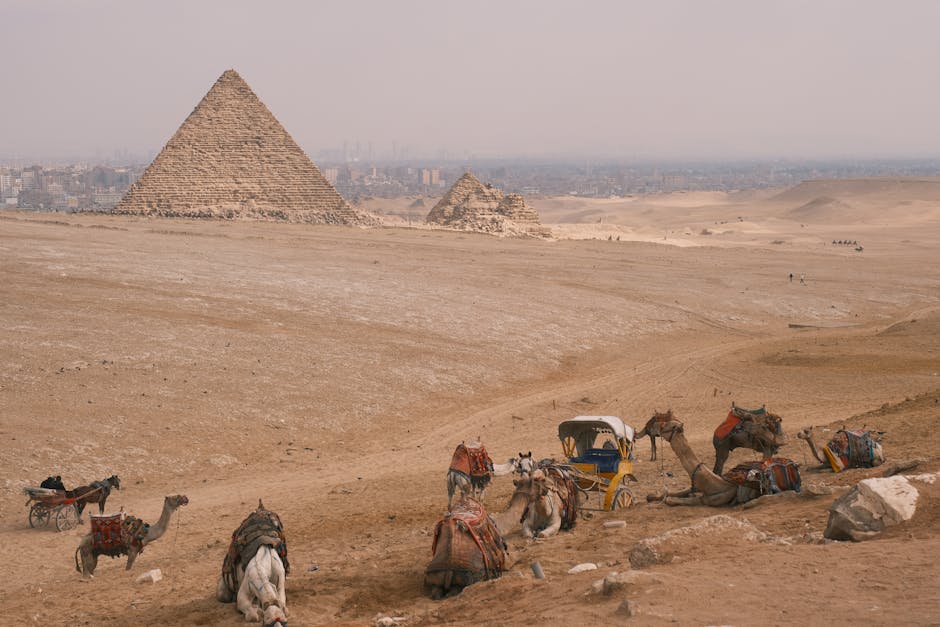
Key Takeaways
- The Egyptian Pyramids are architectural masterpieces from the Old Kingdom, built as royal tombs to aid the Pharaoh’s journey to the afterlife.
- Planning is crucial: visit between October-April, start early, and consider guided tours for deeper insights into history and construction.
- Beyond Giza, sites like Saqqara and Dahshur showcase the evolution of pyramid design and offer a less crowded experience.
Quick Navigation
- Understanding the Pyramids
- The Evolution of Pyramid Design
- The Giza Plateau Complex
- UNESCO World Heritage Recognition
- Planning Your Visit: Complete Guide
- Phase 1: Preparation
- Phase 2: Execution
- Phase 3: Optimization
- Common Mistakes to Avoid
- Cost Analysis and Practical Considerations
- Financial Breakdown
- Key Benefits
- Important Considerations
- Museums and Cultural Context
- Egyptian Museum and Grand Egyptian Museum
- Archaeological Discoveries
- Heritage Preservation
- Frequently Asked Questions

Understanding the Pyramids
The Evolution of Pyramid Design
The evolution of pyramid design reveals the architectural progress of ancient Egyptians. Early structures called mastabas served as royal tombs—simple, flat-topped buildings made of mud brick. The shift toward pyramid construction began with Djoser’s Step Pyramid, designed by architect Imhotep around 2670 BCE. This marked a major leap from basic mastabas to complex stepped structures. (Source: Wikipedia).
The Step Pyramid of Djoser sparked further architectural innovation. The Bent Pyramid and Red Pyramid at Dahshur show the experimental phases that led to the perfected designs at Giza. The Bent Pyramid, notable for its unusual angle change midway up, demonstrates the trial-and-error process of these ambitious projects. These early pyramids highlight both technological advances and the growing complexity of religious beliefs about death and the afterlife.
Pro Tip: Visiting the early pyramids at Dahshur offers insights into ancient engineering while avoiding the crowds at Giza.
The Giza Plateau Complex
The Giza Plateau represents the peak of ancient Egyptian pyramid construction. The Great Pyramid of Khufu, built between 2580 and 2560 BCE, stands out for its massive size and precise alignment with the cardinal directions—evidence of advanced astronomical knowledge.
Originally standing 146.6 meters (481 feet) tall, the Great Pyramid showcases exceptional logistics, workforce organization, and architectural skill. The Great Sphinx guards the complex as a symbol of divine protection. The site also includes smaller queens’ pyramids, mastabas, and workers’ cemeteries, revealing details about the labor force that built these monuments. Each stone block provides clues about this civilization’s beliefs regarding death and their relationship with the gods.
Pro Tip: When visiting the Great Pyramid, explore the interior chambers if tickets are available. The narrow passageways offer a powerful sense of the tomb’s scale and complexity.
UNESCO World Heritage Recognition
The Egyptian Pyramids, including sites at Giza, Saqqara, and Dahshur, received UNESCO World Heritage Site designation in 1979. This recognition highlights their historical and architectural importance while supporting conservation efforts.
UNESCO status promotes archaeological research and sustainable tourism, raising global awareness about these ancient wonders. The organization helps maintain responsible preservation practices to protect these structures for future generations.
Planning Your Visit: Complete Guide
Phase 1: Preparation
Proper planning ensures a meaningful visit to the Egyptian Pyramids. Follow these steps:
- Research different pyramids and their historical context to maximize your understanding.
- Choose the best time to visit: October through April offers comfortable temperatures. Summer months bring extreme heat.
- Book accommodations in Cairo or Giza that match your budget, from hostels to luxury hotels.
- Arrange transportation: Options include taxis, private drivers, or organized tours for accessing various sites.
Phase 2: Execution
Maximize your pyramid experience with these recommendations:
- Start early: Arrive at the Giza Plateau at sunrise to avoid crowds and enjoy cooler temperatures.
- Visit the Great Pyramid first, allowing enough time for interior exploration if desired.
- Explore the Sphinx: Spend time appreciating its scale and historical significance.
- Include nearby sites like Saqqara and Dahshur to see how pyramid designs evolved over time.
Phase 3: Optimization
Enhance your pyramid experience with these strategies:
- Join guided tours to gain deeper insights into architectural details and historical context.
- Stay hydrated and sun-protected with water, sunblock, and hats. Desert heat can be intense.
- Check entry times and ticket costs in advance, staying informed about site access and changes.
Common Mistakes to Avoid
Watch out for these common pitfalls:
- Overextending your schedule: Allow adequate time at each site rather than rushing. Quality beats quantity.
- Ignoring local customs: Respect dress codes and proper behavior at sacred sites.
- Not securing tickets in advance: Popular sites can sell out. Check official websites for current information and advance booking options.
Cost Analysis and Practical Considerations
Financial Breakdown
Budget for these typical costs when visiting the Egyptian Pyramids:
- Entry fees range from $10 to $50 depending on sites visited and interior access.
- Transportation costs vary from $10 to $80 based on your travel choices.
- Cairo accommodations typically cost $25 to $150 per night, depending on comfort level.
Key Benefits
Visiting the Egyptian Pyramids offers significant rewards:
- Historical insight: Each pyramid tells thousands of years of human history, connecting you directly to the past.
- Cultural understanding: Explore the beliefs and practices of a civilization that shaped concepts of life, death, and divinity.
- Educational value: Immersive experiences provide learning opportunities for all ages.
Important Considerations
Keep these potential challenges in mind:
- Crowds: Giza attracts heavy traffic during peak seasons. Early morning visits help avoid congestion.
- Extreme weather: Summer desert heat creates risks of heat exhaustion. Plan accordingly with proper timing and supplies.
- Accessibility concerns: Some pyramid areas challenge visitors with mobility issues. Research accessibility options beforehand.
Museums and Cultural Context
Egyptian Museum and Grand Egyptian Museum
The Egyptian Museum in Cairo and the Grand Egyptian Museum near Giza display invaluable treasures from the pyramid era. These collections provide essential context, showcasing art, culture, and daily life in ancient Egypt, enriching your understanding of pyramid construction and purpose.
Archaeological Discoveries
Artifacts from pyramid excavations reveal important details about ancient Egyptian life, social structure, and religious practices. Items such as mummification tools and sacred objects enhance our understanding of this complex civilization. Each discovery adds to our knowledge of pyramid builders and their world.
Heritage Preservation
Collaboration among museums, archaeological sites, and the Egyptian government remains essential for preserving cultural heritage. These partnerships ensure future generations can learn from and appreciate Egypt’s monumental history.
Frequently Asked Questions
Q1: What are the Egyptian Pyramids?
The Egyptian Pyramids are massive tomb structures built primarily during the Old Kingdom for pharaohs and elites. They represent the height of ancient Egyptian architecture and reflect complex beliefs about the afterlife.
Q2: Why were the pyramids built?
Pyramids served as royal tombs designed to help Pharaohs journey to the afterlife, emphasizing their divine connections and central roles in Egyptian culture.
Q3: How many pyramids exist in Egypt?
Over 130 pyramids have been identified across Egypt, with the most famous located at Giza, Saqqara, Memphis, and Dahshur.
Q4: What construction techniques were used?
Large labor forces used sledges and ramps to move and position limestone blocks. Specific construction methods remain subjects of ongoing research and debate.
Q5: Can you enter the pyramids?
Yes, visitors can enter selected pyramids, including the Great Pyramid of Khufu. This usually requires an additional fee, and interior passages can be narrow and steep.
Q6: What is the best time to visit the pyramids?
The ideal visiting period is October through April, when temperatures are more comfortable for exploring outdoor sites.
Q7: Are guided tours available?
Yes, numerous guided tour options provide historical context and cultural insights to enhance your visit.
Final Thoughts
The Egyptian Pyramids showcase remarkable achievements in ancient architecture while reflecting a rich culture of religious and political beliefs. These structures demonstrate the skill and determination of ancient Egyptians, continuing to inspire visitors in 2025 and beyond. With proper planning, you can fully experience the wonders of each pyramid site, gaining direct insights into a civilization whose influence echoes through history. The pyramids offer a rare chance to walk where ancient builders worked and connect personally with one of the world’s greatest cultural treasures.
Ready to plan your Egyptian adventure? Start by researching tour options and booking your accommodations today. For more travel guides and destination insights, visit Departure Travel.