
Key Takeaways
- Authentic Peruvian ceviche relies on fresh, firm white fish and a short, precise 5-15 minute lime marinade for the perfect texture.
- The dish’s unique flavor profile comes from key Peruvian ingredients like aji peppers and is traditionally served with sides like sweet potato and choclo corn.
- Mastering ceviche offers cultural insight and a healthy, high-protein meal, but depends heavily on ingredient freshness and immediate serving.

Quick Navigation
- Introduction to Peruvian Ceviche and Its Relevance
- Core Concept and Fundamentals
- The Ultimate Step-by-Step Guide
- In-Depth Analysis: Cost, Pros, and Cons
- <a href="#culinary-travel-spots-for-learning-authentic-ceviche” style=”color: #00c2ff;”>Culinary Travel Spots for Learning Authentic Ceviche
- Frequently Asked Questions About Peruvian Ceviche
- Conclusion and Final Thoughts
Introduction to Peruvian Ceviche and Its Relevance
Peruvian ceviche has captured the hearts and palates of food enthusiasts worldwide. This vibrant dish is more than just a meal; it’s a cultural treasure that embodies the spirit of Peru. Originating from the coastal regions of Peru, ceviche is a combination of fresh fish, zesty lime, and unique Peruvian peppers that showcases the country’s rich marine resources. According to the Ministry of Foreign Trade and Tourism, ceviche was declared the national dish of Peru in 2004, symbolizing pride and identity. (Source: Wikipedia).
Understanding how to cook authentic Peruvian ceviche allows you to appreciate its historical significance and explore the intricate flavors that define Peruvian cuisine. In this article, we’ll guide you through the essential aspects of making authenticity-infused ceviche, highlighting key regions, techniques, and ingredients that elevate this dish to its celebrated status.
Core Concept and Fundamentals
The Ingredients of Authentic Peruvian Ceviche
Authentic Peruvian ceviche is defined by its simplicity and quality. Key ingredients include fresh firm white fish such as sea bass or mahi-mahi, fresh lime juice, aji peppers (aji limo or aji amarillo), thinly sliced red onion, cilantro, and salt. The quality of these ingredients directly influences the final outcome. Fresh fish should have firm flesh and clear eyes, indicating its freshness.
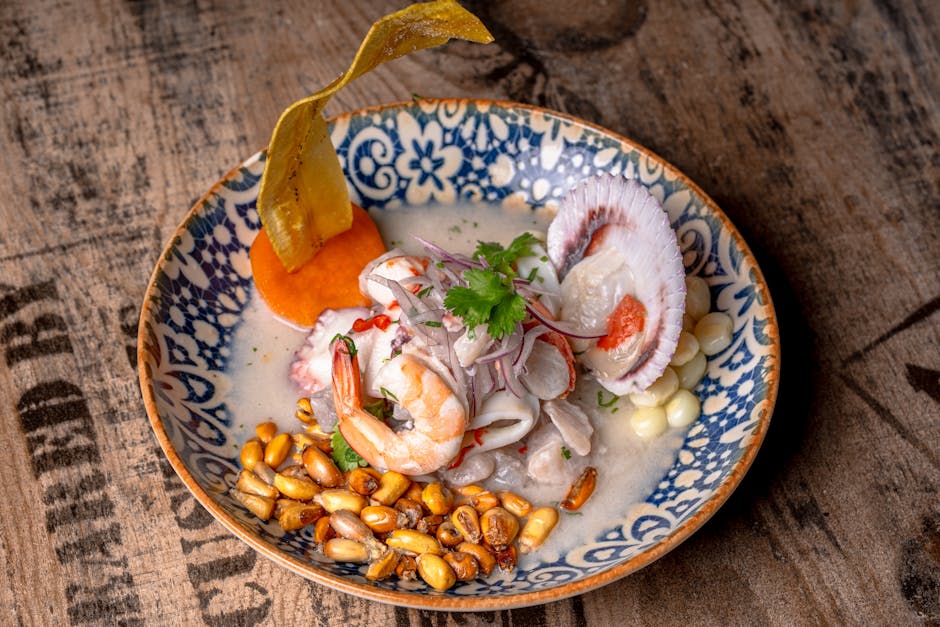
Additionally, various garnishes like sweet potato and Peruvian corn (choclo) enrich the dish, providing a delightful balance to the acidity of the ceviche. These garnishes not only enhance flavor but also create a beautiful presentation. Using high-quality, seasonal ingredients is essential for the best experience.
Cooking Techniques Central to Ceviche
Mastering the art of ceviche involves understanding key techniques that align with authentic recipes. One common technique is to marinate the fish in lime juice for a brief period, typically between five to fifteen minutes. This process “cooks” the fish in a delicate manner, ensuring it remains tender with an opaque finish. It’s essential to avoid over-marinating, as this can lead to a mushy texture.
Learning to slice the onion thinly and managing the intensity of the aji pepper also play crucial roles in achieving a balanced flavor profile. Start by soaking the onions in cold water for about 10 minutes to reduce their sharpness. When handling aji peppers, adjust the amount according to your heat tolerance for an enjoyable dish.
The Historical Context of Ceviche
The historical journey of Peruvian ceviche reflects Peru’s diverse cultural influences, from indigenous techniques to Spanish adaptations. Traces of ceviche can be dated back to pre-Columbian times, where fish were marinated to enhance flavor. Over centuries, diverse culinary influences have contributed to the evolution of ceviche, resulting in the global acclaim it enjoys today.
This section explores how traditional methods have been preserved and modernized, showcasing the dish’s adaptability while maintaining its authenticity. Understanding the historical significance behind ceviche helps you better appreciate the dish’s cultural roots within Peru.
The Ultimate Step-by-Step Guide
Phase 1: Preparation
To create authentic Peruvian ceviche, follow these preparatory steps:
- Select Your Ingredients: Choose fresh fish such as sea bass or mahi-mahi for the best results.
- Prepare Vegetables: Thinly slice red onions after soaking them in cold water to remove their sharpness.
- Juicing Limes: Use only the fresh juice to avoid bitterness from the pith.
- Chop Aji: Prepare your choice of aji peppers, carefully adjusting for desired heat level.
- Gather Garnishes: Prepare sweet potato or choclo to accompany the ceviche elegantly.
Each of these steps ensures that you’re using the highest quality ingredients, allowing the ceviche to shine in flavor and presentation.
Phase 2: Execution
The following steps detail how to execute the ceviche recipe effectively:
- Cubing the Fish: Cut your chosen fish into uniform pieces (approximately 1-2 cm cubes) to ensure even marinating.
- Mixing the Ingredients: In a bowl, combine the cubed fish, lime juice, sliced onion, chopped aji, cilantro, and salt.
- Marinating: Let the mixture rest for 5-15 minutes, allowing the fish to “cook” in the lime juice.
- Plating: Serve your ceviche immediately, garnished with sweet potato slices, choclo, and crispy cancha (toasted corn).
Serving ceviche promptly captures the freshness of the ingredients. Pairing it with the right garnishes enhances the overall experience.
Phase 3: Optimization and Maintenance
To refine your ceviche-making skills, consider these optimization tips:
- Check Freshness Regularly: Always source the freshest seafood available, ideally from local markets.
- Experiment with Flavors: Try varying the aji types or adding ginger for an additional flavor dimension.
- Improve Presentation: Focus on artistic plating; consider textures and colors when serving.
Experimenting with flavors can lead to delightful new takes on the traditional ceviche.
Common Pitfalls and Solutions
Avoid these common mistakes when preparing ceviche:
- Over-Marinating Fish: This can lead to a rubbery texture. Monitor closely and taste for perfect doneness.
- Using Old Fish: Always check for freshness; a good fish should not have a strong “fishy” smell.
- Overly Strong Onions: Soaking in cold water can significantly diminish the onion’s sharpness and enhance the overall taste.
By being mindful of these pitfalls, you can ensure a successful ceviche preparation every time.
In-Depth Analysis: Cost, Pros, and Cons
Financial Breakdown
Understanding costs associated with ceviche preparation is vital. Here’s a general financial breakdown:
- Ingredients: Quality fresh fish can range from $12–30 per pound depending on the type and source.
- Cooking Classes: Attending ceviche-making workshops in Peru can run from $40 to $100 per person, as these often include ingredient costs.
- Dining Out: In Lima’s cevicherías, expect to pay around $12–30 for a ceviche meal, depending on the venue’s prestige.
Calculating these costs helps in budgeting for your ceviche-making endeavors.
Benefit Analysis
The benefits of mastering this dish extend beyond satisfying your palate:
- Cultural Immersion: Learning to make ceviche offers insights into Peruvian culinary traditions.
- Health Benefits: Ceviche is high in protein, low in carbs, and packed with vitamins from its fresh ingredients.
- Social Enjoyment: Ceviche is typically a shared dish and serves as a great centerpiece for social gatherings.
Ceviche can serve as a conversation starter, enhancing gatherings with its rich cultural history and vibrant flavors.
Drawbacks and Considerations
Be aware of potential drawbacks when preparing ceviche:
- Freshness Dependency: The outcome depends on using ultra-fresh ingredients, which may not be readily available in all regions.
- Time Sensitivity: Ceviche is best enjoyed immediately after preparation, which might pose timing challenges when entertaining guests.
By understanding both the benefits and drawbacks, you can better prepare for your ceviche-making sessions.
Culinary Travel Spots for Learning Authentic Ceviche
Lima – The Ceviche Capital
Lima, especially in areas like Barranco and Miraflores, is renowned for its ceviche culture. Many cooks here follow traditional methods that have defined the dish’s standards globally. Engaging in cooking classes provides a critical understanding of sourcing and prepping these essential ingredients.
Northern Peru – Piura and Máncora
Famed for their warm-water fish, Piura and Máncora are home to unique ceviche styles. Immersive cooking experiences allow travelers to explore regional flavor profiles representative of Peru’s diverse marine life.
Educational Opportunities in Cusco
Despite being high in the Andes, Cusco offers culinary experiences focused on ceviche. Professional cooking schools often include classes on making ceviche with fresh fish flown in from coastal areas, ensuring participants receive high-quality instruction.
Frequently Asked Questions About Peruvian Ceviche
What type of fish is best for ceviche?
Firm white fish such as sea bass or corvina is preferred for authentic Peruvian ceviche due to its texture and flavor.
How long should fish be marinated for ceviche?
A marination time of 5-15 minutes is optimal for Peruvian ceviche to achieve the right “cooked” texture without becoming mushy.
What ingredients are essential in a ceviche recipe?
The basic ingredients include fresh fish, lime juice, aji peppers, red onion, cilantro, and salt for an authentic Peruvian ceviche experience.
Can I make ceviche with frozen fish?
While fresh fish is ideal for ceviche, high-quality frozen fish can be an alternative for a successful Peruvian ceviche recipe.
Is it safe to eat ceviche while pregnant?
It’s generally advised for pregnant women to avoid raw fish due to risks. Consult with your healthcare provider regarding safe consumption of Peruvian ceviche.
What sides are traditionally served with ceviche?
Typical accompaniments include Peruvian sweet potatoes, choclo (corn), and sometimes plantain chips for a complete Peruvian ceviche presentation.
Conclusion and Final Thoughts
Through this comprehensive exploration of the authentic Peruvian ceviche recipe, we’ve journeyed into the heart of a dish that reflects Peru’s rich culinary heritage. By understanding its ingredients, cooking techniques, and cultural significance, you’re equipped to prepare this exquisite dish and appreciate its place in Peruvian culture.
Whether you visit Peru or recreate this dish at home, you’re joining a vibrant tradition that connects food, culture, and community. Start by gathering the freshest ingredients available in your area, and don’t be afraid to experiment with different aji peppers or garnishes to make the recipe your own. The key to perfect ceviche lies in respecting the quality of your ingredients and the traditional techniques that have been passed down through generations.
Ready to explore more culinary adventures and travel experiences? For more travel guides and inspiration, visit Departure Travel.