
Key Takeaways
- The Maya Calendar is a complex system combining the 260-day sacred Tzolk’in, the 365-day solar Haab’, and the Long Count for tracking vast historical periods.
- In 2025, you can experience this calendar at archaeological sites like Chichén Itzá and through living traditions in modern Maya communities, particularly in Guatemala.
- Understanding the calendar dispels the 2012 apocalypse myth, revealing a Maya concept of time focused on cyclical renewal and profound connections between cosmology, agriculture, and politics.

Quick Navigation
The Maya Calendar in 2025: History, Facts, and Cultural Significance
The Maya Calendar represents one of humanity’s most sophisticated timekeeping systems, developed by the ancient Maya civilization that flourished in Mesoamerica from approximately 2000 BC until the 16th century Spanish conquest. This intricate system includes the Tzolk’in, a 260-day sacred calendar, and the Haab’, a 365-day solar calendar. These calendars determined agricultural cycles, ceremonial events, and astronomical observations, revealing the profound connection between the Maya people and their environment. (Source: Wikipedia).
Understanding the Maya Calendar helps us appreciate their rich cultural heritage and dispel modern misconceptions, particularly those surrounding the year 2012. While many believed this date predicted an apocalypse, it actually represented transformation and renewal within Maya cosmology. Exploring the significance of the Maya Calendar through archaeological sites allows visitors to connect with the daily life, spirituality, and astronomical knowledge of this remarkable civilization.
Core Concepts and Fundamentals
The Structure of the Maya Calendar
The Maya Calendar system comprises three primary components: the Tzolk’in, Haab’, and Long Count. The Tzolk’in is a sacred 260-day cycle combining 20 day names with 13 numerical symbols, used primarily for scheduling rituals and ceremonies. Specific days were considered more favorable for certain activities, guiding everything from planting crops to conducting spiritual ceremonies.
The Haab’ is a 365-day solar calendar consisting of 18 months with 20 days each, plus an additional 5-day period called Wayeb. These “nameless” days were treated with caution and reverence. The Long Count enabled the Maya to track historical events across extensive periods by counting days from a mythical starting point, generally correlated to August 11, 3114 BC in the proleptic Gregorian calendar. This complex structure demonstrates how the Maya understood time as a cyclical, sacred force fundamental to their worldview.
Calendar Systems in Everyday Life
The Maya Calendar profoundly influenced daily existence. Agricultural practices, religious observances, ritual timing, and political events were all synchronized with calendar systems. Planting and harvesting cycles followed the Tzolk’in and Haab’, ensuring crops were cultivated under optimal conditions.
Temples and ceremonial structures were aligned with significant solar events—equinoxes and solstices—transforming these buildings into massive timekeeping instruments. This integration of astronomy and architecture shaped Maya culture and political authority. Rulers used the calendar to strengthen their legitimacy, associating their reigns with favorable cosmic events to reinforce their divine status and power.
Legacy of the Maya Calendar in 2025
Elements of the Maya Calendar continue to thrive in modern Maya communities, particularly in Guatemala. The Tzolk’in remains essential for contemporary practices including divination and communal rituals. Present-day Maya communities consult the Tzolk’in to determine auspicious days for weddings, agricultural activities, and other significant events.
These ongoing customs demonstrate the resilience of ancient knowledge and the cyclical nature of time in Maya thought. Witnessing these living traditions helps correct simplistic interpretations prevalent in popular culture. Engaging with these practices reveals how the Maya view time as an intricate cycle rather than a linear progression.
Step-by-Step Guide to Experiencing the Maya Calendar
Phase 1: Preparation
Research: Begin with comprehensive study of Maya cosmology, calendar systems, and major sites like Chichén Itzá, Tikal, and Quiriguá. Understanding the complexities of the Maya Calendar before traveling enriches your experience significantly.
Plan Visits: Identify key destinations and optimal times to witness calendar-related phenomena. The equinox at Chichén Itzá offers a spectacular experience as the serpent shadow descends the Pyramid of Kukulkán’s staircase.
Create an Itinerary: Include diverse sites such as Copán and Palenque. Visiting multiple locations deepens understanding of the Maya Calendar through physical examples and enhances appreciation of Maya culture.
Phase 2: Execution
Engagement: Connect with local guides, especially those specializing in Maya calendar interpretations and astronomy. They provide insights into cultural significance beyond what’s visible on stone monuments.
Observation: Pay attention to architectural features at key locations where calendar events are represented or celebrated. The Pyramid of Kukulkán at Chichén Itzá exemplifies architectural design reflecting the calendar’s cyclical nature.
Participation: When possible, join local ceremonies that use the Tzolk’in for day naming and rituals. Direct participation offers firsthand exposure to the living tradition of the calendar.
Phase 3: Optimization and Maintenance
Reflect: After visiting sites, reflect on experiences and insights gained. Consider how these relate to broader themes in Maya spirituality and cosmology, creating personal connections to your learning.
Educational Resources: Explore scholarly papers or guides focused on the Maya Calendar for deeper understanding. Online resources and local libraries offer materials providing detailed perspectives on Maya timekeeping.
Continuous Learning: Stay current with ongoing studies and findings related to Maya calendars, archaeology, and cultural practices. Online forums and relevant publications help maintain active engagement.
Common Pitfalls and Solutions
Pitfall: Misunderstanding calendar structures may lead to superficial interpretations of rituals or site significance.
Solution: Choose guided tours emphasizing the relationship between different calendars and their historical contexts. Knowledgeable guides reveal insights that significantly enrich visits.
Pitfall: Visiting during non-peak times can limit experiences related to calendar phenomena.
Solution: Plan visits around significant calendar events or local festivals showcasing living traditions for more engaging experiences.
Cost Analysis and Practical Considerations
Financial Breakdown
Visiting Maya archaeological sites involves various costs, from transportation to entry fees:
Chichén Itzá: Entry fees range from $25 to $40. Specialized guided tours cost between $40 and $120, depending on tour depth and duration.
Tikal: Park entry fees run approximately $20 to $30, with additional charges for sunrise or sunset access. Specialized local guides typically cost between $40 and $100.
Copán Ruinas: Entry costs about $25 to $35. Hiring an epigraphy-focused guide ranges from $40 to $90.
Benefits of Visiting
Engaging with these cultural sites provides profound insights into ancient traditions and the significance of the Maya Calendar. The emotional impact and educational value create memorable experiences. Understanding the calendar’s role in agriculture and society fosters deep respect for Maya civilization.
Considerations and Challenges
Traveling to remote sites can present challenges including uneven terrain and heat, which may impact comfort. Some locations offer limited access to English-speaking guides, potentially hindering full appreciation without prior research. However, advance planning and thorough preparation effectively address these challenges.
Major Sites for Understanding the Maya Calendar in 2025
Chichén Itzá – A Living Stone Calendar
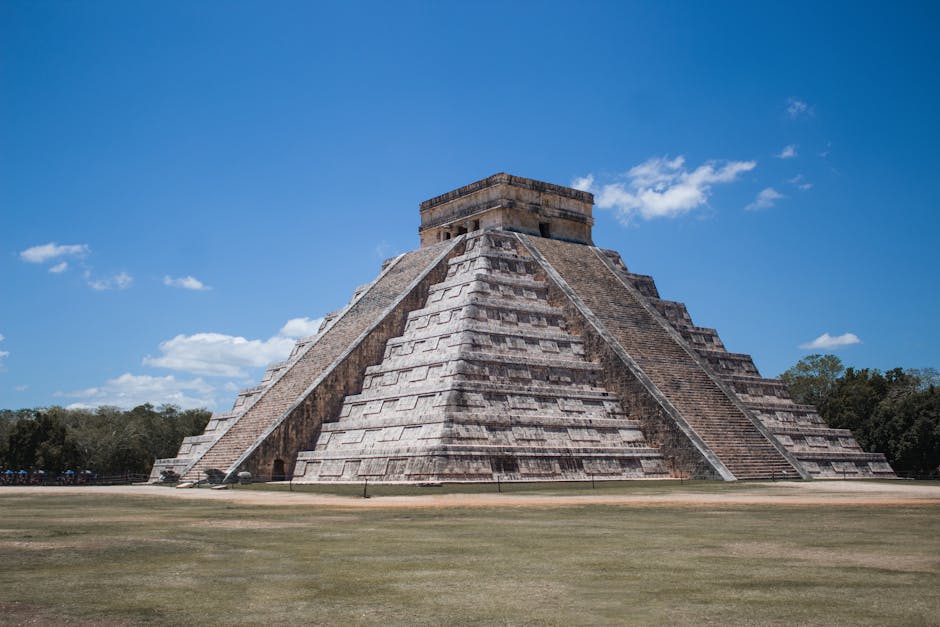
Chichén Itzá functioned as more than an urban center; it served as a comprehensive astronomical observatory. The monumental Pyramid of Kukulkán was designed architecturally as a stone calendar. With 365 total steps—four stairways of 91 steps plus the top platform—it aligns perfectly with the 365-day Haab’ solar year.
Visitors witness the dramatic serpent shadow descent during equinoxes, demonstrating the Maya’s advanced astronomical knowledge. On-site reliefs and structures relate directly to astronomy and timekeeping, showing how firmly interconnected cosmology, ritual, and calendar cycles were in Mayan culture.
Tikal – A Historical Chronicle in Stone
The monumental ruins of Tikal in Guatemala feature numerous Long Count inscriptions on stelae documenting historical events and rulers’ reigns. This site exemplifies how calendar systems informed socio-political power. Many monuments align intentionally with celestial events, making Tikal essential for understanding the intersection of time and politics in Maya civilization.
This UNESCO World Heritage Site offers comprehensive interpretive materials about Maya science and timekeeping, clarifying the calendar’s relevance in ancient society.
Copán – Hieroglyphic Laboratory
Known for exquisite hieroglyphics, including the Hieroglyphic Stairway featuring Long Count dates, Copán serves as an invaluable resource for understanding Maya recording methods. This site illustrates how the Maya Calendar intertwined with rulers’ legitimacy. The nearby museum further enriches understanding through artifacts explaining the calendar’s significant societal role.
Palenque – Cosmic and Historical Fusion
At Palenque, inscriptions blend mythic time with the Long Count, providing insights into the connection between cyclical time and kingship. The Temple of the Inscriptions demonstrates the vast time spans the Maya engaged with, revealing deeper insights into their civilization’s understanding of existence.
Frequently Asked Questions About the Maya Calendar
Q1: What are the primary components of the Maya Calendar?
The Maya Calendar consists of the Tzolk’in, a 260-day sacred cycle; the Haab’, a 365-day solar calendar; and the Long Count, which tracks historical periods spanning thousands of years.
Q2: How did the Maya Calendar influence daily life?
The Maya Calendar dictated agricultural tasks, rituals, and political events, profoundly influencing society’s structure and daily activities throughout Maya civilization.
Q3: What is the significance of the year 2012 in Maya cosmology?
December 21, 2012 marked the end of a 13-baktun cycle in the Long Count, signifying the continuation of cycles rather than an apocalypse. This represents renewal and transformation in Maya thought.
Q4: Can I experience the living Maya Calendar in 2025?
Yes, many communities, particularly in the Guatemalan highlands, actively use the Tzolk’in in daily life, including rituals and day naming ceremonies that visitors can sometimes observe or participate in.
Q5: What are must-visit sites for learning about the Maya Calendar?
Key sites include Chichén Itzá for equinox phenomena, Tikal for rich inscriptions, Copán for hieroglyphics, and Palenque for integrating calendar themes with royal history.
Conclusion and Final Thoughts
The Maya Calendar represents one of humanity’s most sophisticated achievements in astronomy, mathematics, and cultural organization. From the sacred 260-day Tzolk’in to the 365-day solar Haab’ and the extensive Long Count, these interconnected systems reveal a civilization deeply attuned to cosmic cycles and their earthly manifestations.
In 2025, visitors can experience the Maya Calendar through both ancient archaeological sites and living traditions maintained by modern Maya communities. Sites like Chichén Itzá, Tikal, Copán, and Palenque offer tangible connections to this ancient knowledge, while contemporary ceremonies in Guatemala demonstrate the calendar’s continuing relevance.
Understanding the Maya Calendar goes beyond academic interest—it offers insights into a different way of conceptualizing time, one that emphasizes cycles, renewal, and the interconnectedness of human activity with celestial movements. Whether you’re planning a visit to Maya sites or simply seeking to expand your knowledge, engaging with the Maya Calendar provides valuable perspective on human ingenuity and cultural continuity.
Ready to explore the Maya Calendar firsthand? Start planning your 2025 journey to these remarkable archaeological sites and experience the living legacy of one of history’s most advanced civilizations.