
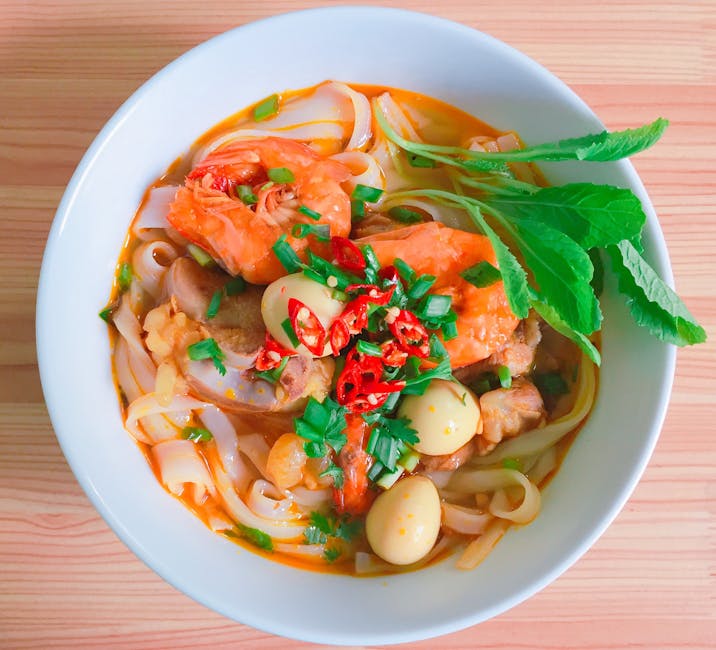
Key Takeaways
- Broth is the soul: Authentic Pho Bo requires a clear, deeply flavored broth made by simmering beef bones and spices for many hours.
- Regional styles vary: Northern (Hanoi) Pho is clear and subtle, while Southern (Saigon) Pho is sweeter and more herbaceous.
- Quality ingredients are non-negotiable: High-quality beef cuts, fresh herbs like Thai basil, and good fish sauce are essential for authentic flavor.
Quick Navigation
- Introduction to Vietnamese Pho Bo Recipe and Cooking Methods
- Understanding the Essence of Pho Bo
- Regional Differences in Pho Bo
- The Role of Ingredients in Crafting Authentic Pho Bo
- Phase 1: Preparation
- Phase 2: Execution
- Phase 3: Optimization / Maintenance
- Common Pitfalls & Solutions
- Financial Breakdown
- Benefit Analysis
- Drawbacks & Considerations
- Hanoi – The Cradle of Pho
- Ho Chi Minh City – Southern Influence
- Nam Định – A Pilgrimage Site for Pho Purists
- Enhancing Flavor Profiles
- Mastering Presentation
- Adaptation for Modern Tastes
- Frequently Asked Questions About Vietnamese Pho Bo
- Conclusion & Final Thoughts

Authentic Vietnamese Pho Bo Recipe 2025: How to Cook Traditional Beef Noodle Soup
Introduction to Vietnamese Pho Bo Recipe and Cooking Methods
Vietnamese Pho Bo is more than just a meal—it’s a beloved culinary tradition that embodies the heart of Vietnamese culture. This fragrant beef noodle soup serves as a point of pride for many Vietnamese families. Its complex combination of flavors—a harmonious blend of beef, spices, and aromatic herbs—captures the Vietnamese approach to food: fresh, balanced, and meaningful. (Source: Wikipedia).
As Pho Bo’s popularity rises globally, so does interest in authentic recipes and preparation methods. To appreciate Pho Bo fully and create an authentic bowl at home, you must understand its historical roots, key ingredients, and regional variations. This guide provides all the necessary steps and insights to help you craft the perfect bowl of Vietnamese Pho Bo.
Core Concept / The Fundamentals
Understanding the Essence of Pho Bo
At the heart of authentic Pho Bo lies its broth. This fundamental component is created through a careful process of simmering beef bones over low heat. This extended cooking time releases rich flavors that are essential to a soul-warming bowl of Pho Bo. In Hanoi, the broth is known for its clear and subtly seasoned profile, which emphasizes high-quality beef alongside aromatic spices including star anise, cinnamon, and coriander.
The balance between these ingredients creates what many consider the “true” taste of Pho Bo. A well-prepared broth should be a symphony of flavors—rich yet light, fragrant but unobtrusive. When simmering, the key is patience; allowing the flavors to blend over hours brings forth a depth that cannot be rushed.
Regional Differences in Pho Bo
Pho Bo’s stylistic variations are noteworthy and reflect the diverse culinary landscape of Vietnam. For instance, in Hanoi, the broth is typically light and clear, marked by a minimalist approach that showcases the high quality of its beef. Southern-style Pho, predominant in Ho Chi Minh City, features a sweeter broth often accentuated by rock sugar and a vibrant array of herbs.
In Nam Định, the regional specialty is revered for its richer, heartier broth, which has evolved through historical techniques passed down through generations. Understanding these regional distinctions is crucial for anyone seeking to recreate authentic flavors beyond the generic versions found in international restaurants. The quest for perfect Pho Bo involves not only following a recipe but also considering the cultural context in which it is served.
The Role of Ingredients in Crafting Authentic Pho Bo
Key ingredients for authentic Vietnamese Pho Bo include various cuts of beef such as brisket, flank, and tendons. Each cut contributes its unique texture and flavor profile to the broth. Fresh herbs like Thai basil, cilantro, and lime add brightness, while a splash of fish sauce enhances the dish’s umami depth.
When sourcing ingredients, prioritize quality. Fresh herbs play a crucial role in the final presentation and flavor of Pho Bo. It’s best to visit local markets where these ingredients are available at optimal freshness. By choosing quality components, home cooks can significantly elevate the dish to reflect true Vietnamese culinary heritage.
The Ultimate Step-by-Step Guide
Phase 1: Preparation
Ingredients List
- Beef bones (marrow, shank)
- Aromatic spices (star anise, cinnamon, cloves, black cardamom)
- Fresh herbs (Thai basil, cilantro, lime)
- Rice noodles (bánh phở)
- Beef (brisket, flank)
Preparation Steps
- Roast the beef bones along with aromatics like onion and ginger until fragrant to enhance the flavor of the broth.
- Soak rice noodles in warm water for about 30 minutes to achieve the perfect texture before cooking.
- Gather all fresh herbs and toppings such as lime wedges and bean sprouts for quick serving when the soup is ready.
Phase 2: Execution
- Broth Creation: In a large stockpot, combine the roasted beef bones, water, and spices. Simmer on low heat for at least 5-10 hours, ensuring the resulting broth is rich and flavorful.
- Meat Preparation: Blanch the beef quickly in boiling water to remove impurities, then slice it thinly to present in the finished dish.
- Noodle Cooking: Cook the soaked rice noodles in the broth for a few minutes until they reach an al dente texture.
- Serving: In a bowl, layer the prepared rice noodles and top them with the sliced beef. Garnish generously with fresh herbs and lime.
Phase 3: Optimization / Maintenance
To maintain a consistently flavorful broth, remember to strain it during cooking to remove sediment and impurities. After cooling, refrigerate the broth overnight. This allows any excess fat to solidify on the surface, which can be easily removed before reheating. Keeping the broth clean and fat-free will significantly enhance the flavor.
Common Pitfalls & Solutions
- Pitfall: Broth lacks depth.
Solution: If the broth lacks flavor, extend the simmering time and consider adjusting the spice ratios to suit your taste preferences. - Pitfall: Noodles become soggy.
Solution: Avoid overcooking and ensure that noodles are not left in the hot broth for too long before serving.
In-Depth Analysis (Cost / Pros & Cons)
Financial Breakdown
The cost of cooking authentic Vietnamese Pho Bo at home can vary based on ingredient sourcing. A rough estimate for various components includes:
- Beef bones: 100,000–150,000 VND (~4–6 USD)
- Spices: 50,000 VND (~2 USD)
- Fresh herbs & noodles: 50,000 VND (~2 USD)
Overall, a complete homemade Pho Bo bowl may cost around 200,000 VND or approximately 8–10 USD, considerably less than dining out at a restaurant.
Benefit Analysis
One of the primary benefits of preparing Pho Bo at home extends beyond cost efficiency—it’s about controlling the quality and freshness of the ingredients. Home-cooked meals provide the opportunity to learn about and appreciate the cultural significance of each component, enriching and rewarding the cooking experience.
Drawbacks & Considerations
One potential downside is the considerable investment of time and effort involved. Crafting an authentic bowl of Pho Bo may take several hours, making it less suitable for quick meals. Moreover, mastering the intricate balance of flavors and achieving the ideal broth can involve a learning curve.
Exploring Authentic Pho Bo Destinations
Hanoi – The Cradle of Pho
Hanoi is widely regarded as the birthplace of the classic northern-style *phở bò bắc*. The city’s numerous street stalls allow food enthusiasts to observe the cooking process firsthand, providing invaluable insights into traditional techniques.
Ho Chi Minh City – Southern Influence
In Ho Chi Minh City, or Saigon, patrons can experience the distinctive sweet and herb-laden broth that characterizes southern Pho. Here, diners can easily compare broth profiles, leading to a greater understanding of the subtleties that set each style apart.
Nam Định – A Pilgrimage Site for Pho Purists
Nam Định is essential for those wanting to dive deeper into the origins of Pho Bo. Its historical significance and time-honored techniques provide culinary learners with extensive hands-on insights that are invaluable in the quest for authenticity.
Advanced Tips for Perfecting Pho Bo
Enhancing Flavor Profiles
Experimenting with layering spices and adjusting saltiness by using different brands of fish sauce can lead to unique variations. Adding a touch of sugar at the end can further enhance umami flavors.
Mastering Presentation
Understanding proper plating techniques can elevate the Pho experience immensely. Using a variety of herbs and garnishes not only enhances flavor but also impresses guests, making the dish visually appealing.
Adaptation for Modern Tastes
Consider exploring alternative methods, such as using a pressure cooker to prepare broth in a fraction of the time while still achieving depth of flavor. This modern adaptation caters to a busy lifestyle without compromising authenticity.
Frequently Asked Questions About Vietnamese Pho Bo
What is the secret to the perfect Pho Bo broth?
The secret to authentic Vietnamese Pho Bo lies in simmering bones for a long time to extract maximum flavor alongside a balanced mixture of spices that can be adjusted to personal preference.
How can I make Pho Bo vegetarian or vegan?
To adapt traditional Pho Bo for vegetarians, substitute beef with mushrooms and use vegetable stock, incorporating similar spices to replicate the complex flavor profile.
What herbs are essential for Pho Bo?
Essential herbs for authentic Vietnamese Pho Bo include Thai basil, cilantro, and mint. They help balance the rich flavors of the broth.
Can I prepare Pho Bo in advance?
Yes, you can prepare Vietnamese Pho Bo broth in advance. It can be refrigerated and noodles are best cooked fresh to maintain texture at serving.
What are common add-ons for Pho Bo?
Common add-ons that enhance Vietnamese Pho Bo include lime wedges, bean sprouts, and thin slices of chili for an additional kick of flavor.
Conclusion & Final Thoughts
Crafting the perfect bowl of Vietnamese Pho Bo involves understanding the intricate details surrounding this traditional dish. Each step from ingredient selection to preparation techniques plays a vital role in recreating this culinary masterpiece.
As you explore the various regional styles and enhance your cooking skills, consider visiting the noted destinations for a truly authentic Pho experience. Embrace the flavors, techniques, and culture that define Vietnamese Pho Bo, and elevate your home-cooking game to new heights.
Ready to experience authentic Pho Bo in Vietnam? Start planning your culinary journey today and discover the rich traditions behind this iconic dish. For more travel guides, visit Departure Travel.