
Key Takeaways
- 2025 is a Solar Maximum: The Northern Lights are expected to peak in 2025, offering the best viewing opportunities for the next decade before activity declines.
- Strategic Planning is Crucial: Success depends on choosing dark-sky locations in the “Aurora Oval” (e.g., Norway, Iceland, Alaska), staying 5-7 nights, and monitoring aurora & weather forecasts.
- No Guarantees, But Odds Are High: While sightings are never 100% certain due to weather, the heightened solar activity in 2025 significantly increases your chances of a memorable display.

Quick Navigation
Northern Lights 2025 Forecast: Your Complete Viewing Guide
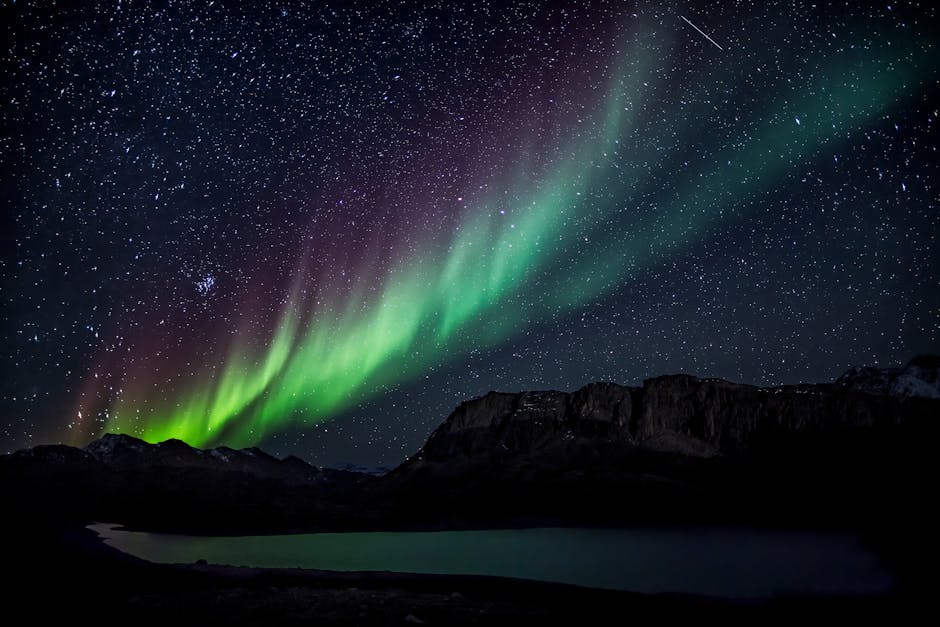
The Northern Lights 2025 forecast is essential for anyone dreaming of witnessing nature’s most spectacular light show. These celestial wonders, known scientifically as the Aurora Borealis, illuminate the skies with vibrant shades of green, pink, blue, and red. As we enter 2025, a pivotal year for aurora enthusiasts, this guide becomes your ultimate resource. (Source: Wikipedia).
In 2025, solar activity is expected to peak, offering prime opportunities to witness these mesmerizing displays before they diminish for several years. As geomagnetic storms increase in frequency, so does the potential for spectacular auroral displays. With thoughtful planning, the right knowledge, and this comprehensive guide, you can enhance your chances of experiencing the Northern Lights in all their glory.
Understanding the Aurora Borealis
The Science Behind the Lights
The Northern Lights result from charged particles emitted by the sun colliding with atoms in Earth’s atmosphere. This interaction energizes atmospheric gases, producing brilliant light displays. The most common color is green, caused by oxygen molecules located about 60 miles above Earth. Rarer colors like pink and red appear due to high-altitude interactions.
Understanding the science behind the Aurora Borealis helps you appreciate its beauty. It’s a complex interplay of solar wind and Earth’s magnetic field that creates an awe-inspiring spectacle overhead. This knowledge can amplify your excitement during your aurora adventure.
Solar Cycles and Their Impact
Auroras are directly linked to the solar cycle, an approximately 11-year cycle of increasing and decreasing solar activity. As we reach the solar maximum in 2025, we enter a phase of heightened auroral activity. The number of geomagnetic storms will increase, translating to more frequent and spectacular Northern Lights sightings.
After 2025-2026, aurora activity is expected to decline sharply. This pattern makes the next two years a golden period for viewers. Those who wish to capture this natural beauty should prioritize this unique window, as the next peak won’t occur until the mid-2030s.
Best Viewing Conditions
For optimal visibility of the Northern Lights, specific conditions must be met. Dark, clear skies are essential. The best locations for aurora sightings are primarily found in Nordic countries such as Iceland, Sweden, and Norway. These countries experience long, dark nights from September to April, making them prime locations for aurora viewing.
Weather conditions play a significant role in visibility. Factors like cloud cover, solar activity levels, and moon phases can impact your viewing experience. Strategic planning is crucial. Choose locations known for their low light pollution and prepare for variable weather conditions.
Your Step-by-Step Planning Guide
Phase 1: Preparation
Select Your Destination: The first step in planning your aurora adventure is deciding where to go. Top-rated locations include Abisko in Sweden, Tromsø in Norway, and Fairbanks in Alaska. Each location offers unique viewing opportunities and different levels of accessibility.
Book Early: Given the high interest in aurora tourism during the 2025 solar maximum, book your flights and accommodations as early as possible. Prices typically increase as dates approach, and availability becomes limited.
Plan Your Stay Duration: Aim for a minimum stay of 5 to 7 days. This duration increases your odds of witnessing the lights, especially considering factors like weather variability. More nights mean more chances.
Phase 2: Execution
Follow Aurora Forecasts: Utilize resources such as NOAA’s Aurora Dashboard to stay updated on geomagnetic activity. This dashboard provides real-time predictions, giving you insight into the best nights for potential sightings.
Check Weather Conditions: Cloud cover can obstruct your view of the Northern Lights. Access to real-time weather updates is vital for adjusting your plans. Consider using multiple weather apps for the most accurate predictions.
Participate in Tours: Consider joining organized tours, particularly in locations like Tromsø. These experiences often include expert local guides who provide invaluable knowledge and transportation, maximizing your viewing potential while ensuring safety.
Phase 3: Optimization
Stay Flexible: Weather patterns fluctuate, so maintaining flexibility in your plans is crucial. Adjust your aurora-hunting schedule based on current weather and geomagnetic activity forecasts. Don’t lock yourself into rigid plans.
Consider Multiple Viewings: Plan to spend multiple nights searching for the aurora. Different locations may yield better visibility under varied circumstances. Each new night brings unique opportunities and potentially different displays.
Document Your Experience: Keep notes on your activities and outcomes from each viewing. Reflecting on what worked and what didn’t will help refine your approach for future trips or help others planning similar adventures.
Common Pitfalls & Solutions
Pitfall 1: Not checking forecasts and encountering cloudy skies.
Solution: Maintain a flexible itinerary, allowing for movement to different locations based on real-time conditions.
Pitfall 2: Misjudging travel logistics, leading to missed opportunities.
Solution: Plan accommodations and transport well in advance. Research backup locations within driving distance.
Pitfall 3: Underdressing for extreme cold conditions.
Solution: Layer your clothing properly. Pack thermal gear, hand warmers, and insulated boots to remain comfortable during long viewing sessions.
Cost Analysis and Considerations
Financial Breakdown
Budgeting is crucial for your Northern Lights experience. Flights from North America to prime destinations like Tromsø and Reykjavik typically range from $600 to $1,200. Accommodation prices vary significantly; luxury options, such as glass igloos, can exceed $600 per night, while mid-range hotels average $100 to $250 per night.
The overall cost for a week-long trip can fall between $1,700 and $5,000, depending on your travel choices. This includes flights, accommodation, meals, tours, and equipment. Budget travelers can reduce costs by choosing hostels, cooking meals, and self-guiding their aurora hunts.
Benefits of the Experience
Witnessing the Northern Lights offers more than just beautiful sights. It connects you deeply with nature and supports eco-tourism in Arctic regions. Many travelers report heightened well-being after spending time among such stunning landscapes.
For photography enthusiasts, the unique lighting conditions provide exceptional opportunities to capture stunning images. The memories and photographs from your Northern Lights adventure will last a lifetime.
Potential Challenges
It’s important to recognize potential challenges, including unpredictable weather, crowded tourist hotspots during peak season, and high overall costs. No aurora sighting is guaranteed, which can disappoint some travelers. Being proactive about these aspects during your planning will significantly enhance your experience while minimizing frustrations.
Expert Viewing Tips
Environmental Considerations
Avoid Light Pollution: Find dark spots away from city lights. Even small towns can create enough light pollution to diminish the aurora’s visibility. Drive at least 30 minutes outside urban areas.
Mind the Moon Phases: Schedule your visit around the new moon. Darker skies enhance visibility by minimizing natural light interference. A full moon can wash out fainter auroral displays.
Allow Time for Eye Adjustment: Your eyes need 20-30 minutes to fully adjust to darkness. Avoid looking at bright lights, including phone screens, to maintain your night vision.
Cultural Insights
Understanding local customs can elevate your experience. Many Nordic countries have rich folklore associated with the Northern Lights. In some Sami traditions, the lights were believed to be the spirits of the dead. Engaging with these stories provides greater context and connection to the phenomenon.
Respect local communities and the environment. Stay on designated paths, remove all trash, and follow local guidelines for aurora viewing sites.
Photography Tips
For those wanting to capture the Northern Lights, special techniques are required. Use manual camera settings with long exposure times (15-30 seconds), wide aperture (f/2.8 or lower), and high ISO (1600-3200). A sturdy tripod is essential to avoid blurry images.
Practice these techniques before your trip to ensure you’re ready when the lights appear. Consider bringing extra batteries, as cold weather drains them quickly. A remote shutter release or timer prevents camera shake during long exposures.
Frequently Asked Questions
Q1: When is the best time to see the Northern Lights in 2025?
The best time to visit is during the optimal viewing window from September to April, with peak visibility typically in February and March when nights are longest and solar activity is highest.
Q2: Do I need special equipment to view the auroras?
No special equipment is necessary for viewing with the naked eye. However, cameras with manual settings and tripods are highly recommended for photography. Binoculars can enhance fainter displays.
Q3: Am I guaranteed to see the Northern Lights?
No, sightings are never guaranteed due to varying weather and solar activity. However, strategic planning during the 2025 solar maximum increases your chances significantly. Staying 5-7 nights improves your odds considerably.
Q4: What should I wear when viewing the Northern Lights?
Dress in layers, including thermal undergarments, insulated jackets, hats, gloves, and waterproof boots. Temperatures can drop to -30°C (-22°F) or lower in prime viewing locations. Hand and foot warmers are invaluable.
Q5: How long do the auroras last?
The duration of auroras varies from several minutes to several hours, depending on geomagnetic activity. Some displays pulse and move rapidly, while others create steady glows across the sky.
Q6: Can I see the Northern Lights from major cities?
While possible during extreme geomagnetic storms, city lights typically obscure the view. Your best chance is to travel outside urban areas to locations with minimal light pollution.
Conclusion and Next Steps
The opportunity to witness the Northern Lights during the 2025 solar maximum is a once-in-a-decade experience that shouldn’t be missed. Using this comprehensive Northern Lights 2025 forecast guide, you can better plan your journey to increase your chances of experiencing one of nature’s most extraordinary spectacles.
Given the predicted peak in solar activity, now is the time to make your reservations to ensure you don’t miss this phenomenal event. Start researching destinations, booking accommodations, and preparing your equipment today.
Prepare thoroughly, respect nature and local communities, and make this a journey of a lifetime. For more travel guides and inspiration, visit Departure Travel.