
Key Takeaways
- March in Iceland offers ideal aurora viewing conditions with longer, dark nights and milder weather compared to deep winter.
- Prime viewing locations include Vík in South Iceland, the remote Westfjords & North Iceland, and the secluded highlands of Þórsmörk.
- Successful aurora hunting requires preparation: checking forecasts, booking tours/accommodation early, packing warm gear, and being patient after sunset.

Quick Navigation
- Introduction to Northern Lights Iceland March & Relevance
- Core Concept / The Fundamentals
- The Ultimate Step-by-Step Guide
- In-Depth Analysis (Cost / Pros & Cons)
- Combining Activities with Northern Lights Viewing
- Frequently Asked Questions (FAQ) about Northern Lights Iceland March
- Conclusion & Final Thoughts
Introduction to Northern Lights Iceland March & Relevance
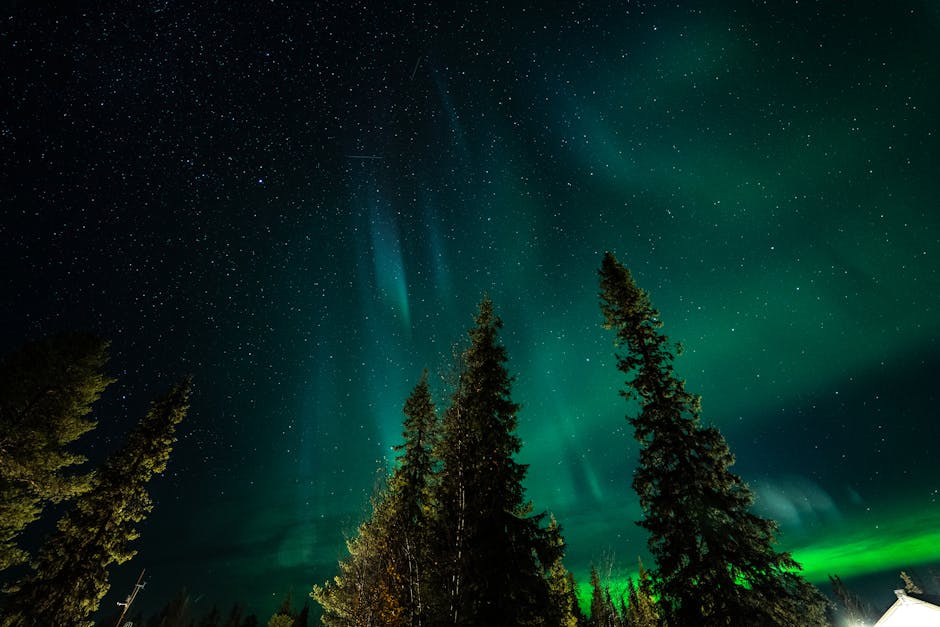
Northern lights Iceland March presents a captivating opportunity for travelers seeking one of nature’s most stunning spectacles. The aurora borealis—often described as a dance of colors across the night sky—attracts visitors from around the globe. March in Iceland offers an optimal blend of extended darkness and milder temperatures, creating ideal conditions for witnessing this breathtaking phenomenon. (Source: Wikipedia).
With vibrant greens, purples, and pinks illuminating the dark Icelandic skies, planning your trip around the northern lights Iceland March experience is essential. From selecting the best viewing locations to understanding the logistics of your journey, this comprehensive guide will help you maximize your aurora borealis adventure in Iceland.
Core Concept / The Fundamentals
Stunning Locations to View the Northern Lights in March
Finding the perfect spot to witness the northern lights Iceland March is crucial. Iceland offers several prime locations to enjoy this celestial performance.
Vík & South Iceland (Iceland Road Trip Spring)
The charming village of Vík, with its dramatic black sand beaches, serves as a fantastic base for aurora hunting. In Vík, the natural beauty of Reynisfjara—adorned with basalt columns and rock arches—creates a surreal backdrop for capturing the northern lights.
When planning your trip, consider that the region’s stunning landscape and dark skies significantly enhance your chances of seeing the aurora. The coastal areas provide unique photo opportunities, making them a favorite among photographers seeking the perfect shot of the northern lights Iceland March.
Westfjords & North Iceland
The remote Westfjords and northern regions of Iceland, including Akureyri and Lake Mývatn, are exceptional for northern lights Iceland March sightings. These areas feature longer nights and reduced light pollution due to their isolation.
In these tranquil settings, you’ll find an optimal environment for witnessing the magical display. The benefit of fewer crowds enhances the aurora experience, making it truly immersive. Plan to stay longer at key sites like Akureyri, where the surrounding landscape creates stunning contrasts against the sky.
Þórsmörk (Highland Nature Reserve)
Accessible only via special vehicles, Þórsmörk offers a unique and remote wilderness experience. This highland nature reserve provides extraordinary conditions for viewing the northern lights Iceland March.
Its isolation amidst glaciers and volcanoes results in clearer skies, ensuring an unforgettable sight. Whether camping under the stars or enjoying a warm cabin nearby, Þórsmörk presents a captivating backdrop for experiencing nature’s spectacle.
March: The Ideal Month for Northern Lights
March stands out for aurora enthusiasts as the climatic transition into spring allows for longer nights while retaining dark skies perfect for aurora visibility. Statistics reveal that March ranks high for aurora activity.
Compared to January and February, the likelihood of seeing the northern lights increases significantly. Witnessing the aurora borealis as it colors the sky brings exhilarating excitement, particularly for those who have planned their visit for northern lights Iceland March.
The Ultimate Step-by-Step Guide
Phase 1: Preparation
Preparation is everything when embarking on your adventure to see the northern lights Iceland March.
- Research Reports: Check aurora forecast websites to identify the best nights for viewing. Popular resources include the Icelandic Meteorological Office.
- Plan Routes: Map out your itinerary around key destinations known for aurora sightings. Optimize for places with easy access to light-pollution-free areas.
- Book Accommodations: Reserve ahead to secure accommodations located in dark areas, increasing your chances of witnessing the spectacular display of lights.
- Pack Proper Gear: Bring thermal clothing and layered outfits to stay warm. Don’t forget camera equipment for capturing the stunning views of the aurora.
Phase 2: Execution
The next phase is executing your trip to maximize your chances of seeing the northern lights Iceland March.
- Setting Out: Begin your hunt after sunset. The time around 10 p.m. to midnight tends to be most promising for viewing the aurora.
- Understanding the Pattern: Position yourself where you have optimal visibility to the northern part of the sky, as auroras appear most frequently there.
- Staying Alert: Be prepared for sudden aurora displays. Keeping an eye on the sky helps you catch the show as it unfolds.
Phase 3: Optimization / Maintenance
To further enhance your northern lights Iceland March experience, consider these tips:
- Check the Weather: Continuously monitor weather conditions. Clear skies are key to optimal aurora viewing.
- Local Insights: Connect with fellow travelers or locals who have had successful sightings. Sharing tips can lead to favorable outcomes.
- Preserve Battery Power: Keep your devices charged. Extended photography sessions of the aurora require careful battery management.
Common Pitfalls & Solutions
While planning your northern lights Iceland March adventure, be mindful of common pitfalls:
- Timing Confusion: Arriving too late can lead to missed opportunities. Aim to start your search around 10 p.m.
- Overpacking: While layered clothing is important, avoid bulky packs that can hinder movement. Opt for sleek, thermal layers instead.
- Ignoring Local Guidance: Local knowledge can significantly enhance your experience. Don’t hesitate to ask for advice from locals.
In-Depth Analysis (Cost / Pros & Cons)
Financial Breakdown
Understanding the financial aspects of enjoying northern lights Iceland March is important for effective budgeting:
- Aurora Tours: Small group tours typically start around ISK 20,990, while basic bus tours can often be found for ISK 8,699.
- Accommodation: Consider options such as Hotel Husafell that offer aurora wake-up calls to ensure you never miss a sighting.
- Self-Drive Adventures: Multi-day self-drive tours can be budgeted around ISK 45,000 for four days, allowing flexibility in your aurora hunt.
Benefit Analysis
Traveling to Iceland in March provides benefits that extend beyond experiencing the northern lights Iceland March. The stunning landscapes and cultural activities help enrich your visit.
Enjoy the picturesque scenery, witness the transition of Iceland’s weather, and partake in various local experiences without enduring the extreme cold of earlier winter months.
Drawbacks & Considerations
However, be mindful of potential drawbacks. March can present variable weather conditions, making cloud cover a challenge for aurora visibility. While crowds tend to be less than in peak winter, popular sites still attract visitors, particularly on weekends.
Combining Activities with Northern Lights Viewing
In addition to the northern lights Iceland March, consider integrating other Icelandic adventures into your itinerary.
Adventure Beyond the Aurora
While the aurora borealis is a major attraction, there are other activities to enhance your trip:
- Glacier Tours: Explore stunning glaciers such as Langjökull or Vatnajökull for breathtaking views.
- Waterfall Visits: Experience the beauty of Hraunfossar and Gullfoss, which are impressive both day and night.
- Geothermal Attractions: Unwind after a day’s adventure with a visit to the famous Blue Lagoon to enjoy the warm geothermal waters.
Frequently Asked Questions (FAQ) about Northern Lights Iceland March
- What is the best time to see the northern lights in March?
The best time to view northern lights Iceland March is typically between 10 p.m. and midnight when the skies are darkest. - Do I need to book tours in advance?
Yes, it’s recommended to book your northern lights Iceland March tours 2-4 weeks in advance, especially for popular options. - Are March temperatures suitable for travel?
March temperatures in Iceland are milder than peak winter cold, averaging between -1 to 5°C, making travel enjoyable. - How should I photograph the northern lights?
For capturing northern lights Iceland March, use a tripod, set long exposure settings, and stabilize your camera for optimal results. - Can I see the northern lights from Reykjavík?
Although you can see auroras from Reykjavík, better results will be found in areas away from city lights for your northern lights Iceland March experience.
Conclusion & Final Thoughts
In conclusion, experiencing the northern lights Iceland March presents a unique opportunity for travelers seeking natural wonder. With thorough preparations and an understanding of the best viewing spots, you can increase your chances of witnessing this magical phenomenon.
March offers a favorable combination of weather and aurora activity, making your journey rewarding and enjoyable. Start planning your 2025 adventure now, and immerse yourself in the captivating beauty of the northern lights in Iceland this March!
For more travel guides, visit Departure Travel.