
Key Takeaways
- Argentine Staple: Chimichurri is a ubiquitous sauce in Argentine culture, found in over 80% of households and essential to the traditional asado (barbecue).
- Simple, Fresh Ingredients: Authentic flavor relies on fresh flat-leaf parsley, garlic, olive oil, red wine vinegar, oregano, and chili.
- Versatility Beyond Meat: While classically paired with grilled beef, chimichurri enhances seafood, vegetables, and can be used as a marinade or in modern fusion dishes.
Quick Navigation

Argentine Chimichurri Recipe 2025: Authentic Guide & How to Cook It
Argentine Chimichurri recipe; authentic Argentine Chimichurri; how to cook Argentine Chimichurri represents more than just a condiment; it’s an emblematic sauce of Argentina. This vibrant, herbaceous sauce has become synonymous with Argentine cuisine, particularly in the iconic celebration of asado, or barbecue. Its cultural significance is profound, woven into the lifestyle of Argentines who regard it as a culinary staple rather than an ordinary dip. As of recent statistics, approximately 83% of Argentine households report having chimichurri at their dining tables, showcasing its prevalence and popularity among both locals and tourists. (Source: Wikipedia).
Chimichurri’s origins trace back to Argentine gauchos using fresh herbs they had on hand, creating a simple yet flavorful accompaniment for grilled meats. The traditional recipe comprises key ingredients that reflect Argentina’s agricultural richness, including flat-leaf parsley, garlic, olive oil, and a splash of red wine vinegar. These fresh ingredients not only give the sauce bold flavors but also showcase Argentina’s diverse agricultural landscape. Furthermore, beyond its celebrated use with meats, chimichurri proves versatile; cooks often use it on grilled vegetables, seafood, and even as a marinade.
Exploring the unique regions of Argentina reveals some remarkable locations offering the best chimichurri experiences. From the bustling streets of Buenos Aires, where the scent of grilled meats fills the air, to the vineyards of Mendoza, where exceptional Malbecs are paired with this zesty sauce, the journey through Argentina is an exploration of flavor and tradition. This comprehensive guide will help you create this authentic Argentine Chimichurri recipe; authentic Argentine Chimichurri; how to cook Argentine Chimichurri in your own kitchen.
Core Concept / The Fundamentals
The Essential Ingredients of Authentic Argentine Chimichurri
The heart of any Argentine Chimichurri recipe; authentic Argentine Chimichurri; how to cook Argentine Chimichurri lies in its essential ingredients. Each component plays a crucial role in achieving the sauce’s characteristic taste and aroma.
- Flat-leaf Parsley: This herb provides the backbone of chimichurri. It’s favored over curly parsley because of its bold, aromatic flavor. Freshness is paramount, and the parsley must be finely chopped to release its essential oils.
- Garlic: Fresh, minced garlic gives chimichurri its signature punch. The number of cloves can be adjusted based on personal taste; however, maintaining a garlic-forward profile is traditional.
- Red Wine Vinegar: This ingredient introduces acidity, balancing the richness of the oil and adding depth of flavor. Alternatives like apple cider vinegar are sometimes used, but true authenticity lies in red wine vinegar.
- Olive Oil: Providing the sauce’s creamy texture, high-quality olive oil enhances the overall mouthfeel. Some prefer sunflower oil for a lighter version, but olive oil is the classic choice.
- Dried Oregano: This herb adds herbal complexity. Varying types of oregano can be utilized depending on the region, from milder Mediterranean varieties to more intense Argentine types.
- Red Chili Flakes or Fresh Peppers: For those who love a touch of heat, chili components are essential. Adjusting the amount can customize the spice level according to personal preference.
These ingredients create a beautiful blend of flavors. Moreover, Argentines often add ají molido (dried chili powder) or bay leaves for a unique twist. Each variant tells a story of the region’s influences, showcasing Argentina’s culinary diversity.
Traditional vs. Modern Chimichurri Recipes
Chimichurri remains a dynamic recipe subject to evolution and adaptation. Traditional recipes boast straightforward ingredients—typically the ones mentioned above—while modern interpretations have introduced variations that sometimes stray from the classic.
For instance, some contemporary recipes incorporate cilantro for a fresher taste, enhancing the green profile of the sauce. Moreover, an increase in acidity with citrus juice, such as lime, creates a tangy variation. A popular adaptation includes using vinegar-based sauces or fruits like mango for a sweet twist.
While the modern variations invite creativity, they often diverge from traditional Argentine roots. Renowned culinary blogs and cookbooks emphasize the significance of sticking to authentic ingredients to preserve the cultural integrity and flavor profile of chimichurri. The balance of ingredients matters; varying the ratios can dramatically shift the sauce’s character, claiming a unique culinary identity of its own.
Cultural Significance of Chimichurri in Argentine Life
Chimichurri goes beyond the plate; it shapes Argentine culture and rituals. During asados, the public and private gatherings revolving around grilling meat, chimichurri takes center stage. It embodies Argentine hospitality, as hosts often offer this sauce to enhance the grilled offerings, extending a warm invitation to share in the meal.
Culinary historian Ignacio Medina notes, “Chimichurri is synonymous with Argentine dining culture. Whenever I serve asado, chimichurri is non-negotiable.” This sentiment reflects how chimichurri is not merely a condiment but a critical component of the social fabric in Argentina.
Chimichurri is also an expression of individual family recipes handed down through generations. Each household has its twist, ensuring the sauce retains a personal touch. It fosters togetherness, encouraging families to share recipes and methods, further deepening its historical roots.
From street vendors selling grilled meats to upscale restaurants showcasing refined versions of the sauce, chimichurri remains a signature representation of Argentine cuisine worthy of celebration.
The Ultimate Step-by-Step Guide to Crafting Authentic Chimichurri
Phase 1: Preparation of Ingredients
Crafting the perfect chimichurri begins with the preparation of its essential ingredients. Here’s how to get started:
- Gather your ingredients: flat-leaf parsley, garlic, red wine vinegar, olive oil, dried oregano, red chili flakes, salt, and pepper.
- Wash the parsley under cool water, then gently pat it dry. Moisture can dilute the flavors.
- Chop the parsley finely. Aim for a coarse texture, as overly fine chopping may lead to a puree rather than a chunky sauce.
- Mince the garlic, ensuring no large chunks remain.
- Measure out other ingredients like vinegar, oil, and spices into separate bowls for easy assembly.
- Combine all ingredients in a mixing bowl.
This preparation phase is crucial for a well-balanced chimichurri. Following these steps leads to a flavorful blend that showcases the sauce’s depth.
Phase 2: Execution of the Recipe
Once all ingredients are ready, it’s time to create the Argentine Chimichurri recipe; authentic Argentine Chimichurri; how to cook Argentine Chimichurri. Here’s a detailed method:
- In a mixing bowl, combine 1 cup finely chopped parsley with 4-5 cloves minced garlic.
- Add 2 teaspoons dried oregano and 1 teaspoon red chili flakes for a little heat.
- Pour in 1/2 cup olive oil next. Avoid extra virgin olive oil if you’re looking for a lighter note.
- Add 1/4 cup red wine vinegar to introduce acidity, and salt and pepper to taste.
- Stir the mixture until well combined. The goal is to achieve a homogenous blend while retaining the individual characteristics of each ingredient.
- Allow the chimichurri to rest at room temperature for at least 30 minutes. This step allows flavors to marry, enriching the overall taste.
Phase 3: Optimization Techniques for Flavor
Ready to take your chimichurri to the next level? Here are some optimization techniques to enhance your Argentine Chimichurri recipe; authentic Argentine Chimichurri; how to cook Argentine Chimichurri:
- Adjust ingredient ratios based on preferences. If you prefer a spicier profile, increase the chili flakes and garlic.
- Consider letting the chimichurri sit for 2-3 hours to further deepen the flavors. This resting time allows the oils to pull flavors from the herbs and spices.
- Taste and adjust before serving. If it tastes off-balance, add a pinch more salt or a dash more vinegar to achieve perfection.
These simple tweaks can elevate your chimichurri from good to sensational. Don’t hesitate to experiment, balancing flavors to your liking.
Common Pitfalls & Solutions
When preparing chimichurri, avoiding typical mistakes ensures a successful outcome. Here are some common pitfalls and practical solutions:
- Over-pureeing: A common error is using a food processor, leading to a smooth paste. Stick with chopping by hand to maintain the desired texture.
- Ingredient substitutions: Using garlic powder instead of fresh garlic can lead to a bland chimichurri taste. Always use fresh ingredients for authentic flavor.
- Short resting times: The chimichurri may taste disjointed without adequate resting time. Aim for at least 30 minutes, and ideally longer, for optimal flavor integration.
By recognizing and addressing these pitfalls, you’ll set yourself on the path to crafting an authentic chimichurri that delights every palate.
In-Depth Analysis (Cost / Pros & Cons)
Financial Breakdown of Preparing Chimichurri
Understanding the costs involved in making chimichurri can help budget your culinary adventure. Here’s the financial breakdown for the Argentine Chimichurri recipe; authentic Argentine Chimichurri; how to cook Argentine Chimichurri:
- Flat-leaf Parsley: Approximately $1.50 for a bunch.
- Garlic: About $0.50 for several cloves; can vary based on local prices.
- Red Wine Vinegar: Generally costs around $2 for a bottle, with about a quarter used per recipe.
- Olive Oil: High-quality olive oil may average $5 for a small bottle; typically only half a cup is required.
- Dried Oregano & Chili Flakes: Minimal costs, usually about $1 each for a jar that lasts for multiple uses.
In total, preparing a batch of chimichurri at home can range from $10 to $15, making it an affordable yet flavorful enhancement for your meals.
Benefit Analysis of Homemade vs. Store-Bought Chimichurri
The decision to prepare chimichurri at home over purchasing pre-made versions offers several advantages:
- Freshness & Flavor: Homemade chimichurri is more flavorful and aromatic due to using fresh ingredients.
- Ingredient Control: Crafting your sauce allows for complete control over ingredient quality. You can easily avoid preservatives and additives commonly found in commercial options.
- Cost-Effectiveness: Homemade chimichurri proves more economical in the long run. It minimizes packaging waste and often yields larger batches than store-bought versions.
- Customization: You can tailor your chimichurri according to your taste—experimenting with herbs or spice levels to make it truly your own.
By preparing chimichurri at home, you ensure not only an enriching culinary experience but also healthier and budget-friendly outcomes.
Drawbacks & Considerations When Making Chimichurri
While making your chimichurri comes with numerous benefits, it also bears some drawbacks:
- Time Investment: Preparing chimichurri requires some time for preparation and resting. For busy individuals, this could be seen as a downside.
- Ingredient Availability: Locating fresh parsley or high-quality olive oil may prove challenging in certain locations, whereas store-bought versions ensure you have access to the sauce at all times.
- Learning Curve: Achieving the perfect balance of flavors takes practice. First-time makers might need a few attempts to find their ideal ratio.
- Storage Limitations: While chimichurri can be refrigerated for up to two weeks, it’s best consumed fresh. The herbs may lose their vibrancy over time, affecting both appearance and flavor.
Despite these considerations, the benefits of homemade chimichurri far outweigh the drawbacks for most home cooks who value authenticity and flavor.
Advanced Techniques and Variations
Regional Variations of Chimichurri Across Argentina
Argentina’s vast geography has given rise to regional chimichurri variations that reflect local tastes and available ingredients:
Buenos Aires Style: The capital’s version tends to be herbaceous and garlic-heavy, with a balanced oil-to-vinegar ratio. This is the most recognized version internationally.
Mendoza Style: In wine country, chimichurri often incorporates a splash of the region’s famous Malbec, adding depth and a subtle wine note to the sauce.
Patagonian Variation: Southern regions sometimes add fresh mint or increase the oregano content, creating a more herbaceous profile that complements the lamb dishes popular in this area.
Northern Argentine Style: In provinces like Salta and Jujuy, chimichurri may include ají amarillo (yellow chili pepper) for a distinctive heat and color.
Understanding these regional differences allows you to experiment with your chimichurri, creating variations that suit different dishes and occasions.
Professional Tips for Restaurant-Quality Chimichurri
To elevate your homemade chimichurri to professional standards, consider these expert techniques:
Ingredient Temperature: Allow all ingredients to reach room temperature before mixing. Cold oil can inhibit flavor release from the herbs and spices.
Knife Selection: Use a sharp chef’s knife for chopping parsley. A dull blade bruises the herbs, causing oxidation and bitterness.
Garlic Processing: For a milder garlic flavor, blanch the cloves in boiling water for 30 seconds before mincing. This removes the harsh bite while maintaining aromatic qualities.
Oil Quality: Invest in a high-quality, fruity olive oil. The oil is the dominant ingredient by volume, so its flavor significantly impacts the final product.
Acid Balance: Start with less vinegar than the recipe calls for, then gradually add more to taste. Different vinegars have varying acidity levels, so adjusting ensures perfect balance.
Emulsification Technique: After mixing, let the chimichurri rest, then stir vigorously before serving. This creates a temporary emulsion that improves texture and flavor distribution.
Storage and Preservation Methods
Proper storage extends chimichurri’s shelf life while maintaining quality:
Short-Term Storage: Store chimichurri in an airtight glass container in the refrigerator for up to two weeks. Always use a clean spoon to portion out the sauce to prevent contamination.
Oil Layer: Pour a thin layer of olive oil over the top of stored chimichurri to protect it from oxidation and preserve the bright green color.
Freezing Options: While not ideal for texture, chimichurri can be frozen for up to three months. Pour into ice cube trays for convenient portioning. Thaw in the refrigerator overnight before use.
Pre-serving Refresh: Before serving refrigerated chimichurri, let it sit at room temperature for 15-20 minutes. This allows the oil to liquify and the flavors to become more pronounced.
Color Preservation: To maintain the vibrant green color, blanch parsley in boiling water for 10 seconds, then shock in ice water before chopping. This sets the chlorophyll and prevents browning.
Pairing Suggestions and Serving Ideas
Traditional Argentine Pairings
Chimichurri shines brightest when paired with traditional Argentine dishes:
Grilled Meats: The classic pairing includes beef cuts like entraña (skirt steak), bife de chorizo (sirloin), and asado de tira (short ribs). The sauce cuts through the richness of the meat while enhancing its savory notes.
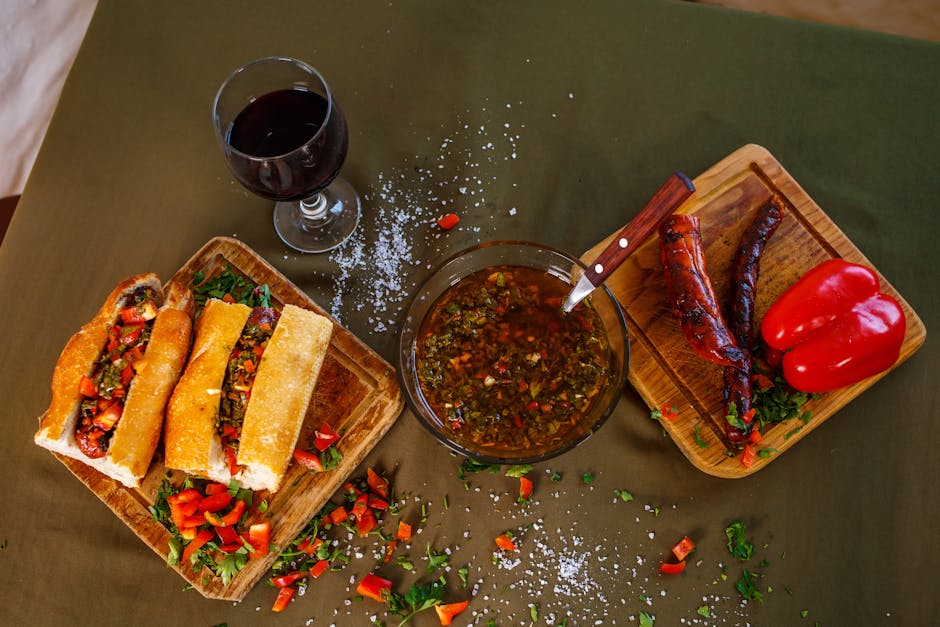
Choripán: This iconic Argentine street food features grilled chorizo sausage in crusty bread, generously topped with chimichurri.
Provoleta: Grilled provolone cheese benefits from a drizzle of chimichurri, balancing the cheese’s saltiness with herbaceous brightness.
Empanadas: While not traditional, chimichurri makes an excellent dipping sauce for beef or chicken empanadas.
Morcilla: Blood sausage’s rich, iron-forward flavor finds perfect balance with chimichurri’s acidity and freshness.
Modern Fusion Applications
Contemporary chefs have expanded chimichurri’s applications beyond traditional uses:
Chimichurri Butter: Mix softened butter with chimichurri to create a compound butter perfect for finishing steaks or spreading on warm bread.
Pizza Drizzle: Use chimichurri as a finishing oil for pizzas, particularly those with grilled vegetables or Italian sausage.
Pasta Sauce: Toss hot pasta with chimichurri and pasta water for a quick, flavorful dish. Add grilled chicken or shrimp for protein.
Grain Bowls: Drizzle over quinoa or rice bowls featuring roasted vegetables and grilled proteins.
Sandwich Spread: Replace mayonnaise or mustard with chimichurri on sandwiches and burgers for a vibrant, herbaceous kick.
FAQ
Q: Can I make chimichurri in a food processor?
A: While possible, hand-chopping is recommended. Food processors can easily over-puree the ingredients, turning the sauce into a paste instead of maintaining the desirable rustic, slightly chunky texture.
Q: How long does homemade chimichurri last?
A: Stored properly in an airtight container in the refrigerator, it will last up to 2 weeks. The flavors are best within the first week. A thin layer of olive oil on top helps preserve freshness and color.
Q: Can I use dried parsley instead of fresh?
A: No. Fresh flat-leaf parsley is essential for authentic chimichurri. Dried parsley lacks the vibrant flavor and texture needed for this sauce.
Q: Is chimichurri spicy?
A: It can be adjusted to your preference. Traditional chimichurri has a mild to moderate heat from red chili flakes. You can reduce or omit them entirely for a non-spicy version, or increase them for more heat.
Q: What’s the difference between chimichurri and pesto?
A: They are both green herb sauces but differ significantly. Pesto is Italian, based on basil, pine nuts, Parmesan, and garlic, and is often creamy. Chimichurri is Argentine, based on parsley and oregano, includes vinegar, has no nuts or cheese, and is more of a loose, vinaigrette-style sauce.
Q: Can I use lemon juice instead of red wine vinegar?
A: You can, but it will change the flavor profile. Red wine vinegar provides a specific tang that is classic to the sauce. Lemon juice will give it a citrus-forward note, which is a modern variation.