
Key Takeaways
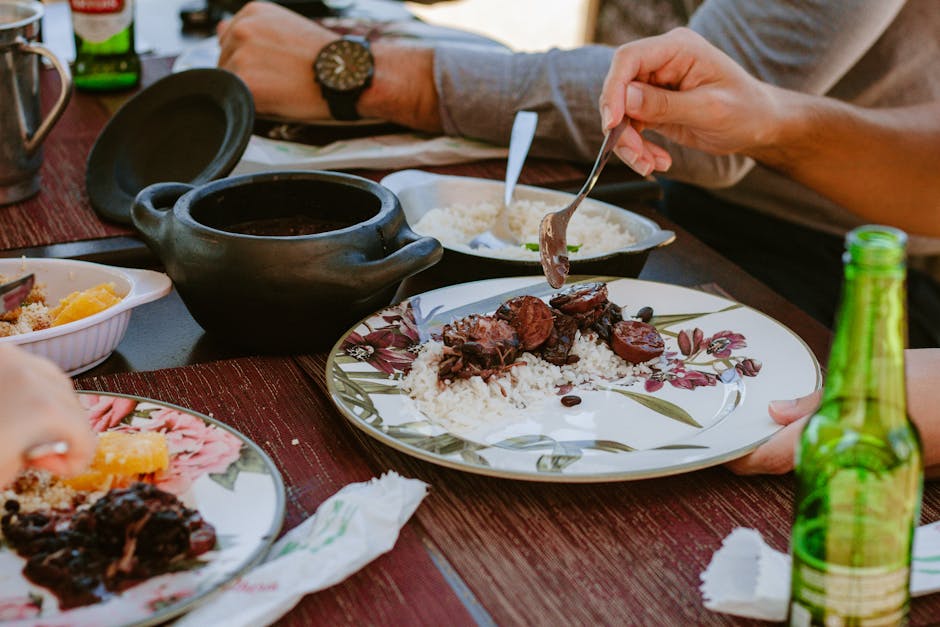
- Authentic Brazilian Feijoada is a historic black bean stew with varied meats, representing community and cultural celebration.
- Mastering the dish requires specific ingredients like Brazilian black beans, carne seca, and key sides like farofa and orange slices.
- Regional variations across Brazil, from Rio to Bahia, offer unique culinary experiences tied to local history and traditions.

Quick Navigation
- Introduction to Brazilian Feijoada and Its Cultural Significance
- Understanding the Historical Roots of Feijoada
- Key Ingredients for Authentic Brazilian Feijoada
- Regional Variations and Their Significance
- Phase 1: Preparation
- Phase 2: Execution
- Phase 3: Optimization / Maintenance
- Common Pitfalls & Solutions
- Financial Breakdown
- Benefit Analysis
- Drawbacks & Considerations
- Rio de Janeiro – The Heart of Feijoada Culture
- São Paulo – A Culinary Playground
- Salvador, Bahia – The Afro-Brazilian Influence
- Belo Horizonte – The Bar Culture
- Frequently Asked Questions (FAQ) about Brazilian Feijoada
How to Cook Authentic Brazilian Feijoada in 2025: Complete Recipe Guide
Introduction to Brazilian Feijoada and Its Cultural Significance
Brazilian Feijoada is more than just a recipe—it’s a culinary tradition that brings people together. This hearty black bean stew, deeply rooted in Brazilian culture, is the country’s national dish, representing community and celebration. Traditionally served during leisurely Saturday lunches with samba music playing in the background, Feijoada creates memorable moments among family and friends. (Source: Wikipedia).
This comprehensive guide covers the rich history, essential ingredients, and step-by-step instructions for preparing authentic Brazilian Feijoada. We’ll also explore how different regions—Rio de Janeiro, São Paulo, and Bahia—put their own spin on this classic recipe. Whether you’re cooking at home or planning a culinary trip to Brazil, you’ll learn everything needed to master this iconic dish.
Core Concept / The Fundamentals
Understanding the Historical Roots of Feijoada
Brazilian Feijoada dates back to the 16th century, representing Brazil’s complex colonial history. Influenced by African cooking traditions, the dish was originally created by enslaved Africans using less desirable cuts of meat. This resourceful approach transformed simple ingredients into a flavorful, filling stew.
Over time, Feijoada evolved from a practical meal into a celebration centerpiece enjoyed during festivals and gatherings. Each serving connects modern Brazil to its ancestral roots and cultural heritage. Knowing this history enriches both the cooking and eating experience, as every spoonful carries centuries of tradition.
Key Ingredients for Authentic Brazilian Feijoada
Creating authentic Brazilian Feijoada requires specific ingredients that work together to build its signature flavor:
- Black Beans: The foundation of Feijoada. Brazilian black beans provide a deep, earthy flavor that can’t be substituted. Soak them overnight for best results.
- Meats: Various cuts add complexity, including carne seca (salted beef), smoked sausages like calabresa and paio, pork ribs, bacon, and sometimes offal such as pig’s ears or trotters.
- Aromatics: Garlic, onions, and bay leaves create the flavorful base that infuses throughout the stew.
- Sides: Serve with white rice, sautéed collard greens, farofa (toasted manioc flour), and orange slices for authentic presentation.
Each ingredient balances the overall flavor profile—understanding their roles is essential to mastering this recipe.
Regional Variations and Their Significance
Brazil’s diverse geography produces numerous regional takes on Feijoada. In Rio de Janeiro, you’ll find generous portions of assorted meats, while Bahia’s version showcases African influences with offal and distinctive spices.
São Paulo favors a traditional approach, focusing on classic ingredients that honor the dish’s origins. Each region’s interpretation adds cultural depth, enriching your understanding of Brazil’s culinary landscape and history.
The Ultimate Step-by-Step Guide
Phase 1: Preparation
- Gather Ingredients: Collect all components: black beans, assorted meats, onions, garlic, bay leaves, and side dishes.
- Soak the Beans: The night before cooking, soak black beans in a large bowl of cold water. This reduces cooking time and improves digestibility.
- Prepare the Meats: Rinse dried salted meats and soak them in cold water overnight to reduce saltiness.
Phase 2: Execution
- Sauté Aromatics: Heat oil in a large pot over medium heat. Sauté chopped onions and minced garlic until golden brown, releasing fragrant aromas.
- Add the Meats: Start with meats requiring longer cooking times, such as carne seca and pork ribs. Gradually add smoked sausages and bacon, allowing them to release their flavors.
- Simmer with Beans: Drain and add soaked black beans to the pot. Cover with water, add bay leaves, reduce heat to low, and simmer for several hours until flavors combine.
Phase 3: Optimization / Maintenance
- Taste and Adjust Seasonings: Halfway through cooking, taste the stew and adjust salt and spices as needed.
- Final Garnishing: Prepare all side dishes—white rice, collard greens, and farofa. Serve Feijoada hot, garnished with orange slices for visual appeal and flavor contrast.
Common Pitfalls & Solutions
- Pitfall: Beans remain hard or undercooked.
Solution: Ensure beans are properly soaked and simmered long enough to soften completely. - Pitfall: The stew becomes too oily.
Solution: Skim excess fat from the surface after the meat finishes cooking.
In-Depth Analysis (Cost / Pros & Cons)
Financial Breakdown
Understanding the cost of preparing Brazilian Feijoada helps with planning. A family-sized recipe typically costs:
- US$20-35: for standard mid-range ingredients
- US$60-100: for premium meats and artisanal sausages
- Dining Out: Traditional restaurant servings range from US$10-30, depending on the establishment
Benefit Analysis
Beyond being delicious, Brazilian Feijoada is rich in protein and nutrients. The combination of beans and various meats provides a satisfying, hearty meal. The cooking process itself is an engaging way to connect with Brazilian culture and culinary traditions.
Drawbacks & Considerations
While rewarding, Feijoada requires significant preparation time. The dish is naturally high in sodium and calories, making it less suitable for low-sodium diets or certain dietary restrictions. Consider these factors when planning your cooking experience.
Top Destinations for Authentic Feijoada Experiences in 2025
Rio de Janeiro – The Heart of Feijoada Culture
Rio de Janeiro is considered the Feijoada capital, where vibrant samba culture blends with culinary traditions. Neighborhoods like Santa Teresa and Lapa feature traditional restaurants and samba clubs serving Feijoada buffets, especially on Saturdays. The city’s lively atmosphere enhances the dining experience, showing how locals enjoy leisurely afternoon meals.
São Paulo – A Culinary Playground
Brazil’s largest city offers diverse dining options, from casual worker’s lunches to upscale restaurants. Many São Paulo chefs emphasize traditional preparations, making it an excellent destination for exploring the nuances of authentic Brazilian Feijoada.
Salvador, Bahia – The Afro-Brazilian Influence
In Salvador, Feijoada is firmly rooted in Afro-Brazilian traditions. The dish often includes rustic ingredients like pig’s ears and feet, served during samba-de-roda gatherings that celebrate food, music, and community together. Experiencing Feijoada in Salvador reveals the deep connection between cuisine and cultural identity.
Belo Horizonte – The Bar Culture
Famous for its casual bars, or “botecos,” Belo Horizonte offers a unique Feijoada perspective with varying bean-to-meat ratios. The city’s relaxed atmosphere provides an ideal setting for enjoying this hearty meal with friends over a long afternoon.
Frequently Asked Questions (FAQ) about Brazilian Feijoada
What is the difference between feijoada and other bean stews?
The primary distinction is the combination of black beans with various pork and beef cuts. This specific pairing creates the robust flavors and aromas unique to authentic Brazilian Feijoada.
Can vegetarian feijoada be made?
Yes! A vegetarian version can be created by substituting meats with hearty vegetables like mushrooms and zucchini, while using vegetable stock to maintain the classic spices and bean base.
How important is the soaking process for beans?
Soaking is essential as it prepares the beans for cooking, reduces stovetop time, and improves digestibility. Skipping this step can result in tough beans in the final dish.
What types of meat are traditional in feijoada?
Traditional meats include carne seca (salted dried beef), smoked sausages, pork ribs, and bacon. Optional ingredients like offal may be added for a more authentic preparation.
What are typical side dishes served with feijoada?
Common accompaniments include white rice, sautéed collard greens, farofa (toasted manioc flour), and garnishes like orange slices and vinaigrette salsa, which enhance both flavor and presentation.
Conclusion & Final Thoughts
Brazilian Feijoada is a unique blend of flavors, history, and culture that offers much more than a meal—it’s a complete culinary experience. Learning how to cook and enjoy authentic Brazilian Feijoada connects you with Brazil’s vibrant culinary heritage. Whether preparing it at home or savoring it in Brazil’s dynamic cities, the journey enriches your appreciation for Brazilian cuisine.
Start your Feijoada adventure today and bring a taste of Brazil to your table. For more travel guides and culinary destinations, visit Departure Travel.