
Key Takeaways
- Chichen Itza history spans from early settlement around 550-600 CE to its golden era as a regional capital, influenced by both Maya and Toltec cultures.
- Essential Chichen Itza facts include its designation as a UNESCO World Heritage Site, the astronomical engineering of El Castillo, and its significance as a major economic and political center.
- For the best 2025 visit, plan during the dry season (Nov-Apr), allocate 6-8 hours, and consider hiring a guide to fully understand the site’s Chichen Itza significance.

Introduction
Understanding Chichen Itza history, facts about Chichen Itza, and Chichen Itza significance is essential for anyone interested in one of the world’s most remarkable archaeological sites. Located on Mexico’s Yucatan Peninsula, this former Maya capital now stands as a UNESCO World Heritage Site that preserves the rich legacy of Maya culture. The ruins showcase ancient artistry, sophisticated government systems, and precise astronomical alignments, making it an important destination for scholars and travelers alike. By exploring Chichen Itza’s history and its extraordinary structures, we gain valuable insights into its lasting importance in global cultural heritage. (Source: Wikipedia).
Core Concepts and Fundamentals
Early Settlement and Development
The history of Chichen Itza began around 550-600 CE, when ancient Maya peoples first settled in the region. They were drawn to the area’s sacred cenotes—natural sinkholes that provided essential fresh water in an otherwise dry landscape. Pro Tip: Visiting the cenotes today offers valuable insights into their role in Maya spirituality and daily life.
During this early period, the community demonstrated remarkable urban planning abilities. Early settlers established trade routes connecting Chichen Itza to other regions, allowing it to grow as a major cultural and economic center. The city’s strategic location near fertile lands enabled the exchange of goods, creating a prosperous economy that attracted attention from surrounding areas. This initial phase laid the groundwork for Chichen Itza’s later prominence.
Golden Era and Cultural Flourishing
Chichen Itza’s golden era spanned from 750 to 900 CE, marking its transformation into a powerful regional capital. With more than 50,000 residents at its peak, Chichen Itza governed vast territories across the northern Maya lowlands. This cultural apex led to extensive construction and development.
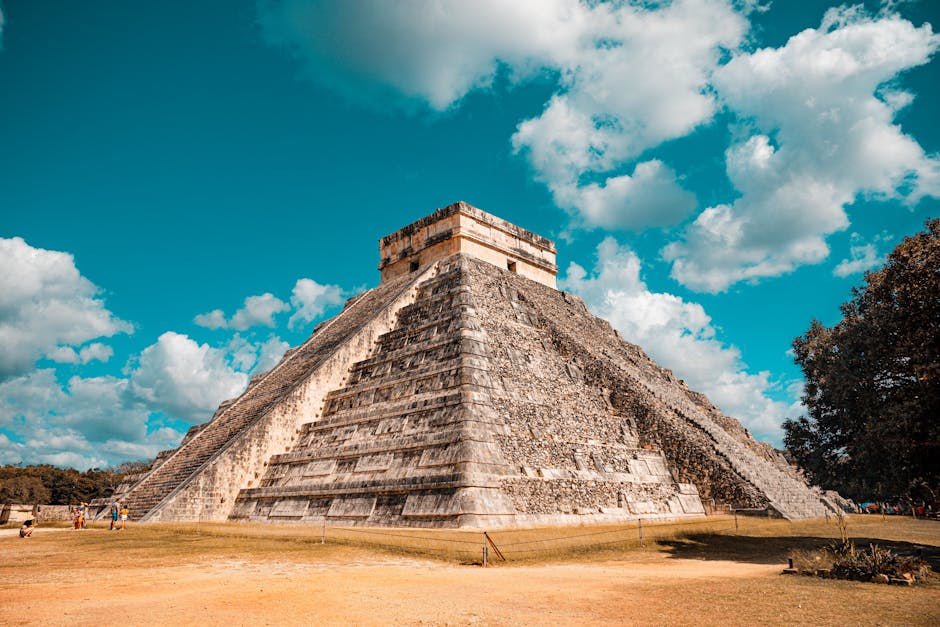
The architectural styles in Chichen Itza reflected diverse influences. The arrival of the Toltec leader Kukulkan around 987 CE brought a fusion of cultures that enriched local traditions. The construction of the Kukulkan Pyramid, known locally as El Castillo, is a major highlight from this era. Its design demonstrates the complex relationships between religion, governance, and daily life in Maya civilization.
Architecture and Engineering Excellence
The architecture of Chichen Itza represents far more than visual appeal. The city’s monumental structures, including El Castillo, demonstrate remarkable engineering achievements through their alignment with astronomical events. During the equinox, shadows create the illusion of a serpent descending the pyramid, connecting the earthly realm to the divine.
The urban planning of Chichen Itza provides further insight into Maya society. Pathways connected various structures including temples, ceremonial sites, and residential areas. The presence of paved roads indicates sophisticated planning, highlighting the Maya’s advanced capabilities in engineering and infrastructure.
Your Step-by-Step Guide to Visiting Chichen Itza in 2025
Phase 1: Planning Your Trip
A successful visit to Chichen Itza requires careful preparation.
- Research: Study Chichen Itza history, facts about Chichen Itza, and Chichen Itza significance to understand what you’ll encounter.
- Timing: Plan your visit between November and April, when dry season weather provides optimal exploration conditions.
- Budgeting: Plan for entry fees (approximately 80-90 pesos for Mexican nationals and around $15 USD for international tourists), guided tours, and local transportation.
- Packing Essentials: Bring water, sunscreen, comfortable walking shoes, and a camera to capture the magnificent structures and landscapes.
Phase 2: Your Visit Day
For the actual day of your visit, follow these strategies:
- Arrive Early: Get to Chichen Itza before the gates open to enjoy the site with fewer crowds. This is ideal for sunrise photography.
- Consider a Guided Tour: Hiring a knowledgeable guide can significantly enhance your experience by providing historical context and deeper insights into the structures.
- Explore Strategically: Start your exploration in the central plaza at El Castillo, then proceed to the other temples and cenotes for a comprehensive visit.
Phase 3: After Your Visit
Following your visit, take time to reflect and share:
- Document Your Experience: Share your insights through social media or a personal blog to help other travelers with their planning.
- Stay Engaged: Consider supporting local conservation efforts or exploring additional archaeological sites to deepen your understanding of Maya culture.
Common Mistakes and How to Avoid Them
Avoiding these common mistakes will improve your experience:
- Rushing Through: Many visitors hurry through Chichen Itza, but you should allocate 6-8 hours to fully appreciate the site’s vastness.
- Disregarding Local Guidelines: Respect the sacred nature of cenotes and ruins by following guidelines from local authorities to help preserve these treasures.
- Not Bringing Enough Water: Given the region’s heat, carry plenty of water to stay hydrated and maintain your energy throughout the visit.
Cost Analysis and Practical Considerations
Financial Breakdown
Visiting Chichen Itza involves several costs to include in your budget:
- Admission Fees: Mexican nationals pay around 80-90 pesos ($5 USD), while international visitors pay approximately $15 USD.
- Guided Tours: Professional guided tours range from $40-$80 USD, providing valuable insights into historical and cultural contexts.
- Transportation: Depending on your method, a round trip from Merida can cost between $30-$100 USD.
Benefits of Visiting
A trip to Chichen Itza offers substantial cultural value:
- Cultural Education: Exploring the site on-location builds genuine appreciation for Maya history and engineering achievements.
- Memorable Experiences: Chichen Itza provides unforgettable memories shaped by the impressive ruins and their rich history.
Potential Challenges
However, consider these potential drawbacks:
- Peak Season Crowds: Chichen Itza’s popularity results in heavy visitor traffic. For a quieter experience, plan visits during off-peak times.
- Accessibility Issues: Some structures may present challenges for visitors with mobility limitations, so factor this into your planning.
The Global Importance of Chichen Itza
Chichen Itza serves as a powerful symbol of ancient Maya civilization’s achievements. As a UNESCO World Heritage Site, it represents the intricate blend of cultures that defined Mesoamerica. Chichen Itza’s unique architectural styles and rich historical narratives extend beyond regional importance, influencing modern understanding of Maya advancements in mathematics, astronomy, and urban planning.
Frequently Asked Questions About Chichen Itza
What is the historical significance of Chichen Itza?
The historical significance of Chichen Itza lies in its role as a crucial bridge between Classic and Post-Classic Maya civilizations, marking major cultural, economic, and architectural advancements.
How do I get to Chichen Itza?
Chichen Itza is accessible from Cancun, Merida, and surrounding towns through organized tours or private transportation. The site is approximately 120 km from Merida.
What are the best months to visit?
The best time to visit Chichen Itza is during the dry season, particularly from November to April. However, expect larger crowds from December to February.
What nearby attractions should I visit?
Beyond Chichen Itza, consider visiting Cenote Ik Kil for swimming, the historic Uxmal Archaeological Site for its distinct architecture, and Valladolid for a charming colonial town experience.
Should I hire a guided tour?
Yes, a guided tour is highly recommended when exploring Chichen Itza history, facts about Chichen Itza, and Chichen Itza significance, as it enhances your experience with historical context, architectural interpretations, and engaging stories that bring the site’s past to life.
Conclusion and Final Thoughts
Chichen Itza history, facts about Chichen Itza, and Chichen Itza significance reveal a rich cultural heritage that remains influential today. Visiting this UNESCO World Heritage Site exposes you to the artistic and scientific achievements of Maya civilization while contributing to your understanding of our shared global history. Take the opportunity to immerse yourself in this fascinating history, explore its iconic structures, and witness firsthand the remnants of an extraordinary culture.
Plan your trip today and experience the wonders of Chichen Itza, whose legacy continues to inspire curiosity and respect worldwide. For more travel guides, visit Departure Travel.