
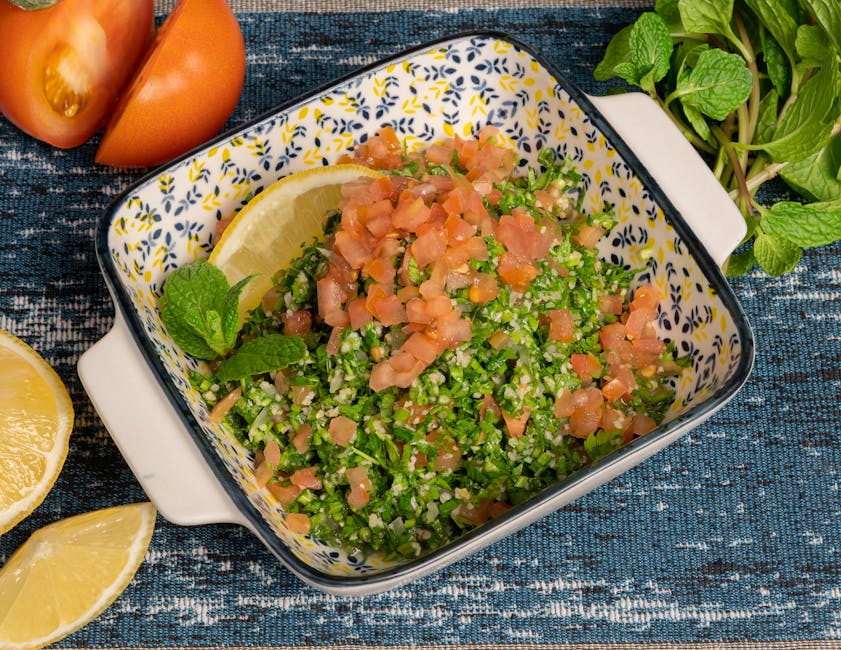
Authentic Lebanese Tabbouleh Recipe: How to Cook This Traditional Salad in 2025
Key Takeaways
- Authentic Lebanese tabbouleh centers on fresh parsley, bulgur wheat, ripe tomatoes, onions, mint, olive oil and lemon juice.
- Seasonality and freshness are essential for maximum flavor and nutrition; local markets in Lebanon offer the best produce.
- Regional variations, cultural significance, and modern adaptations make tabbouleh a living emblem of Lebanese culinary heritage.
- Understanding the Fundamentals of Lebanese Tabbouleh
- Essential Ingredients for Authentic Lebanese Tabbouleh
- Why Freshness and Seasonality Matter
- Regional Variations Across Lebanon
- Step‑by‑Step Guide to Cooking Lebanese Tabbouleh
- Phase 1: Ingredient Preparation
- Phase 2: Combining Ingredients
- Phase 3: Presentation and Serving
- Avoiding Common Mistakes
- Cost Analysis and Practical Considerations
- Ingredient Cost Breakdown
- Home Cooking versus Restaurant Dining
- Practical Challenges
- Cultural Importance of Tabbouleh in Lebanese Heritage
- Tabbouleh at Lebanese Festivals
- Tabbouleh’s Role in Family Traditions
- Contemporary Adaptations
- Experiencing Authentic Tabbouleh in Lebanon
- Must‑Visit Culinary Destinations
- <a href="#optimal-travel-times-for-food-enthusiasts” style=”color: #00c2ff;”>Optimal Travel Times for Food Enthusiasts
- Transportation Recommendations
- Frequently Asked Questions About Lebanese Tabbouleh
- Conclusion: Mastering Lebanese Tabbouleh in 2025

Understanding the Fundamentals of Lebanese Tabbouleh
Authentic Lebanese Tabbouleh is more than just a salad—it’s a vibrant expression of Lebanese culture and culinary heritage. This traditional dish features freshly chopped parsley, bulgur wheat, ripe tomatoes, onions, mint, olive oil, and lemon juice. Each ingredient plays a vital role, contributing unique flavors and cultural significance. (Source: Wikipedia).
Historically, Lebanese Tabbouleh has roots deeply connected to the Levant’s agricultural traditions. It has evolved from a simple side dish to a symbol of Lebanese identity recognized worldwide. Today, Tabbouleh remains a cornerstone of meze culture throughout the Levant, featured prominently at family gatherings, celebrations, and festivals. As Mediterranean cuisine gains global popularity, learning how to cook authentic Lebanese Tabbouleh offers food enthusiasts a meaningful connection to these rich cultural traditions.
This comprehensive guide covers everything you need to master this dish—from selecting core ingredients to perfecting preparation techniques. Your journey to creating authentic Lebanese Tabbouleh at home starts now.
Essential Ingredients for Authentic Lebanese Tabbouleh
The authenticity of Lebanese Tabbouleh depends entirely on its key ingredients:
- Parsley forms the foundation of this dish, comprising the majority of the salad. Fresh, flat‑leaf parsley delivers bright flavor and vivid green color.
- Bulgur wheat adds subtle nuttiness and texture. The grain requires proper soaking to achieve the ideal tender consistency.
- Tomatoes provide juiciness and natural sweetness. Select ripe, firm tomatoes for optimal taste and texture.
- Onions, typically spring onions or green onions, contribute mild sharpness. Finely chop them for seamless integration.
- Mint offers a refreshing note that balances the overall flavor profile. Always use fresh mint leaves rather than dried.
- Olive oil provides richness and depth. High‑quality extra virgin olive oil significantly improves the final taste.
- Lemon juice adds essential acidity, cutting through richness while enhancing freshness. Always use freshly squeezed lemon juice.
Understanding each ingredient’s role creates a solid foundation for anyone seeking to recreate this authentic dish.
Why Freshness and Seasonality Matter
Fresh, seasonal ingredients define exceptional Lebanese Tabbouleh. The finest parsley and tomatoes are typically available in local markets during warmer months. Sourcing ingredients at peak season guarantees superior flavor and nutritional value.
In Lebanon, fresh produce thrives at bustling markets like Souk Al Nour in Tripoli or local farmer markets throughout Beirut. When sourcing ingredients outside Lebanon, choose organic herbs and vine‑ripened tomatoes from trusted suppliers. Ingredient quality directly impacts the final dish. When supermarket parsley lacks freshness, local gardens or farmer’s markets often provide superior alternatives.
Regional Variations Across Lebanon
Each Lebanese region offers its own interpretation of Tabbouleh:
- Beirut versions often contain higher bulgur ratios, creating a heartier dish.
- Tripoli preparations feature extra mint for enhanced aromatic quality.
- Byblos Tabbouleh emphasizes acidity with additional lemon juice.
- Saida variations sometimes include unique spices or pomegranate seeds for sweetness.
These regional differences enrich your appreciation of Tabbouleh, demonstrating how location shapes culinary traditions and creates diverse flavor profiles.
Step‑by‑Step Guide to Cooking Lebanese Tabbouleh
Phase 1: Ingredient Preparation
Creating authentic Lebanese Tabbouleh begins with proper preparation. Start by washing and thoroughly drying the parsley. Complete drying maintains the desired crunchiness. Finely chop both parsley and mint using a sharp knife to preserve delicate leaf structure.
Next, soak bulgur in cold water mixed with lemon juice. Allow 15‑30 minutes for complete liquid absorption. Drain excess water and fluff with a fork. When dicing tomatoes, remove seeds to prevent excess moisture that creates sogginess.
Phase 2: Combining Ingredients
Mixing ingredients properly brings the Lebanese Tabbouleh flavor profile to life. In a large bowl, combine chopped parsley, mint, tomatoes, and onions. Add soaked bulgur and gently toss.
Drizzle high‑quality olive oil and fresh lemon juice over the mixture. Season with salt. Taste as you mix, ensuring proper flavor balance. Adjust seasonings gradually—flavors develop as the salad rests.
Phase 3: Presentation and Serving
Presentation holds importance in Lebanese cuisine. Traditionally, Tabbouleh is served on flat plates, garnished with additional parsley and lemon wedges. Many prefer using lettuce leaves for scooping, creating an enjoyable pairing. Serve alongside pita bread for a complete meal.
Well‑presented Tabbouleh not only looks appealing but invites diners to enjoy a healthy, flavorful experience.
Avoiding Common Mistakes
- Over‑soaking bulgur: Creates mushy texture. Follow timing recommendations carefully.
- Inadequately chopped parsley: Finer chopping releases better flavor. Invest time in proper preparation.
- Ingredient imbalance: Too much or too little of any component disrupts overall flavor. Always taste and adjust.
Recognizing these pitfalls ensures successful Lebanese Tabbouleh preparation.
Cost Analysis and Practical Considerations
Ingredient Cost Breakdown
Ingredient costs for Lebanese Tabbouleh vary by location. In Lebanon, seasonal ingredients remain affordable, with parsley exceptionally inexpensive during peak harvests. International prices differ significantly.
In the United States, tomatoes typically cost $1‑2 per pound, while fresh parsley averages $1 per bunch. Purchasing from local markets usually offers better value. Growing herbs at home significantly reduces overall costs.
Home Cooking versus Restaurant Dining
Preparing Tabbouleh at home offers multiple advantages. You control ingredient quality and freshness. You can customize flavors to personal preferences—adjusting lemon juice, salt, or other components.
Nutritionally, homemade Tabbouleh avoids preservatives and excessive oils, providing healthier alternatives to restaurant versions. Home cooking proves more economical, especially for larger gatherings.
Practical Challenges
Consider potential drawbacks. Time investment can be substantial, particularly when sourcing specialty ingredients. Depending on location, finding certain ingredients may prove difficult, potentially requiring authenticity compromises.
Despite these challenges, the rewarding experience of crafting authentic Tabbouleh creates meaningful connections to Lebanese traditions, making the effort worthwhile.
Cultural Importance of Tabbouleh in Lebanese Heritage
Tabbouleh at Lebanese Festivals
Tabbouleh features prominently in Lebanese festivals, including the Food Festival in Beirut. Vendors showcase traditional dishes, including Tabbouleh, throughout the city’s historic sites. Visitors enjoy cooking demonstrations and tastings, expanding their knowledge of traditional preparations.
These cultural events enhance Tabbouleh appreciation, positioning it as a symbol of national pride beyond simple sustenance.
Tabbouleh’s Role in Family Traditions
Within Lebanese households, Lebanese Tabbouleh often serves as a gathering centerpiece. Preparing Tabbouleh becomes communal, with family members sharing chopping and mixing duties.
Stories abound about large family meals where Tabbouleh remains essential, embodying community bonds and shared experiences. Enjoying Tabbouleh with loved ones creates lasting memories.
Contemporary Adaptations
Modern chefs create fresh interpretations of Tabbouleh while maintaining core authenticity. Some incorporate contemporary techniques like sous‑vide for bulgur preparation or experiment with exotic spices and garnishes.
These adaptations ensure Lebanese Tabbouleh remains relevant in today’s culinary landscape while honoring its historic roots.
Experiencing Authentic Tabbouleh in Lebanon
Must‑Visit Culinary Destinations
Traveling to Lebanon provides exceptional culinary experiences. Beirut markets bustle with vendors selling fresh herbs and vegetables. Byblos workshops teach traditional cooking methods, particularly Tabbouleh preparation.
**Tripoli** visitors engage with local communities, learning about fresh herb sourcing from regional farms. Saida offers Tabbouleh workshops that preserve traditional cooking craftsmanship.
Optimal Travel Times for Food Enthusiasts
For authentic experiences, visit Lebanon during April to June or September to October. These months coincide with peak harvest seasons for parsley, mint, and tomatoes. Mild weather enhances outdoor dining and festival participation.
Visiting during harvest allows travelers to experience Lebanese Tabbouleh at maximum freshness.
Transportation Recommendations
Navigating Lebanon for culinary adventures remains straightforward. From Beirut Rafic Hariri Airport (BEY), taxis and rideshare services like Uber provide easy access to culinary destinations. For economical travel between cities like Byblos and Tripoli, shared minibuses offer direct connections at low cost.
With proper planning, discovering authentic Tabbouleh in Lebanon becomes an accessible, memorable experience.
Frequently Asked Questions About Lebanese Tabbouleh
- What distinguishes Lebanese Tabbouleh from other variations?
- Lebanese Tabbouleh contains significantly more parsley and fresh vegetables compared to other regional versions, emphasizing freshness over grain content.
- How do you modify Tabbouleh for dietary restrictions?
- For gluten‑free versions, substitute quinoa for bulgur. For low‑carb diets, reduce or eliminate bulgur while increasing vegetables.
- Can Tabbouleh be made vegan?
- Yes, traditional Lebanese Tabbouleh is naturally vegan, containing no animal products.
- How long does Tabbouleh stay fresh?
- Properly stored in an airtight container, Tabbouleh remains fresh for 2‑3 days in the refrigerator. Flavors actually improve after several hours of resting.
- What dishes pair well with Tabbouleh?
- Tabbouleh complements grilled meats, falafel, hummus, baba ghanoush, and other meze dishes. It also works wonderfully with pita bread or as a lettuce wrap filling.
- Should bulgur be cooked or soaked?
- For authentic Lebanese Tabbouleh, bulgur should be soaked in cold water with lemon juice, not cooked. This preserves the desired texture.
- Why is my Tabbouleh soggy?
- Excess moisture typically comes from wet parsley or unseeded tomatoes. Ensure parsley is completely dry and remove tomato seeds before adding.
Conclusion: Mastering Lebanese Tabbouleh in 2025
Authentic Lebanese Tabbouleh represents more than a simple salad recipe—it embodies centuries of Lebanese culinary tradition and cultural identity. By understanding the importance of fresh, quality ingredients, mastering proper preparation techniques, and appreciating regional variations, you can create restaurant‑quality Tabbouleh in your own kitchen.
Whether you’re preparing Tabbouleh for a family gathering, exploring Lebanese cuisine for the first time, or planning a culinary trip to Lebanon, this traditional dish offers a delicious connection to Middle Eastern heritage. The relatively simple ingredient list and straightforward preparation make it accessible to cooks of all skill levels, while the depth of flavor and cultural significance provide lasting satisfaction.
Start your Tabbouleh journey today by sourcing the freshest parsley, tomatoes, and herbs available in your area. Experiment with ingredient ratios to find your perfect balance. Share this Lebanese treasure with family and friends, creating new memories around this timeless dish.
For the most authentic experience, consider visiting Lebanon during peak harvest season to taste Tabbouleh at its source and learn from local cooks who have perfected this recipe across generations.
For more travel tips, visit our Home Page.