
Key Takeaways
- Authentic Tradition: The Moroccan lamb tagine is a cornerstone of Moroccan cuisine, requiring traditional cooking methods and specific ingredients like preserved lemons and a tagine pot for genuine flavor.
- Slow-Cooking Mastery: Success hinges on low, slow cooking to tenderize the lamb and blend complex spices, with regional variations adding unique twists across Morocco.
- Accessible Adventure: While best made traditionally, the dish can be adapted with modern cookers and ingredient substitutes, making it achievable for home cooks worldwide.
Quick Navigation

Introduction to Moroccan Lamb Tagine and Its Relevance
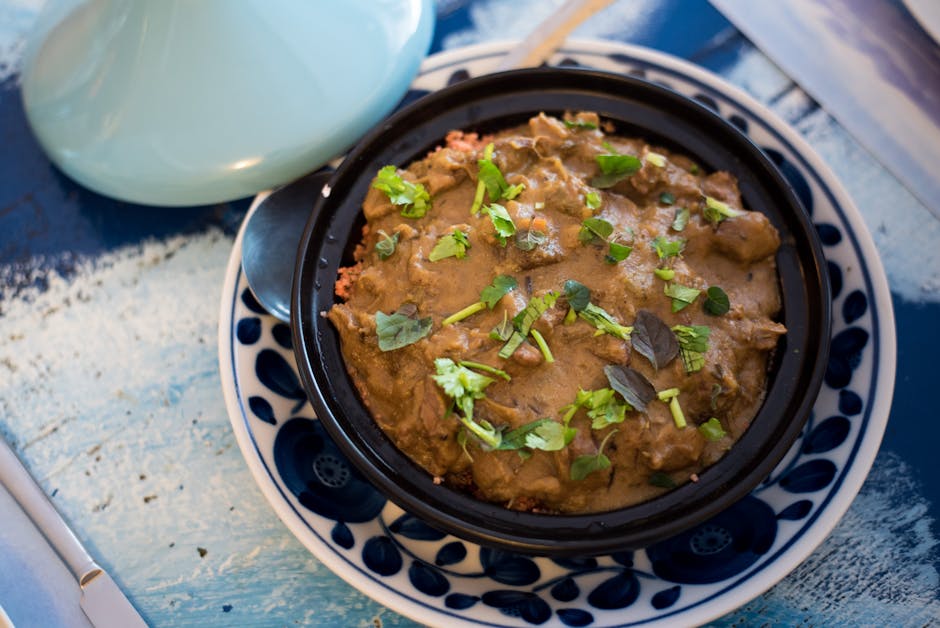
The Moroccan lamb tagine recipe is a celebrated centerpiece of Morocco’s culinary heritage. This dish showcases rich flavors and unique cooking methods that have been refined over generations. Learning how to cook Moroccan lamb tagine authentically means connecting with the culture and traditions of Morocco. In bustling cities like Marrakech and Fez, lamb tagine represents a culinary art form that has been perfected over centuries. (Source: Wikipedia).
The term “tagine” refers to both the dish and the traditional earthenware pot used for cooking. This pot infuses the lamb with aromatic spices like saffron, cumin, and preserved lemons. In this guide, we’ll explore the essentials of preparing authentic Moroccan lamb tagine, its historical significance, and how to experience this dish in iconic Moroccan cities. With a focus on cooking classes, local markets, and expert tips, this guide equips aspiring home chefs with everything needed to bring this extraordinary dish into their kitchens.
Core Concepts and Fundamentals
Understanding the Tagine Pot and Cooking Technique
The traditional tagine pot, crafted from clay or ceramic, plays a critical role in enhancing the dish’s flavors. Its conical lid traps steam, which circulates and keeps the lamb tender and juicy. This method allows spices to blend in ways that alternative cooking methods cannot replicate. Cooking in a tagine requires low heat and patience. This technique aids in flavor development and enhances the dish’s overall complexity through slow cooking.
Essential Ingredients for Authentic Moroccan Lamb Tagine
A classic Moroccan lamb tagine recipe centers on several key ingredients. Lamb shanks or shoulder are recommended for their tenderness. You’ll also need preserved lemons, olives, and various spices like ginger and cinnamon. Additionally, dried fruits such as apricots and prunes add a touch of sweetness. This balance of flavors creates the quintessential Moroccan experience. Sourcing quality ingredients from local Moroccan souks elevates the dish, so select fresh, local produce whenever possible.
Exploring Flavor Profiles
Authentic Moroccan lamb tagine features complex flavor layering. Essential spices include cumin and coriander, while sweet elements like honey or dried fruits create a unique taste balance. Understanding how these ingredients interact helps amateur cooks replicate the dish’s authenticity even when using non-native ingredients, allowing you to celebrate Moroccan culinary traditions in your home kitchen.
The Ultimate Step-by-Step Guide
Phase 1: Preparation
Begin by gathering all necessary ingredients and equipment, particularly a tagine pot. Prepare the lamb by cutting it into chunks and marinating it with spices such as ginger, cumin, and saffron for at least two hours. This marination process allows the flavors to penetrate deeply. Next, slice onions and chop garlic. Prepare any additional vegetables or fruits you wish to include. If you’re using dried fruits, rehydrate them in warm water.
Phase 2: Execution
Start by heating the tagine pot over low heat. Add a generous amount of olive oil to build the base flavor. Sauté the onions and garlic until they’re translucent, then add the marinated lamb pieces to brown them nicely. This step creates a rich flavor foundation. Next, add chopped tomatoes, dried fruits, and enough water or broth to partially submerge the lamb. Cover the pot with the conical lid and allow it to cook slowly. Cooking time ranges from 2 to 3 hours, depending on the cut of lamb and desired tenderness.
Phase 3: Optimization and Finishing
To elevate the flavors, add fresh herbs such as coriander or parsley during the final stages of cooking. Pair the tagine with traditional Moroccan bread or fluffy couscous. This allows the bread to soak up the savory sauce when served. Store leftovers in an airtight container to ensure flavor retention, and reheat gently to maintain the original texture.
Common Pitfalls and Solutions
One frequent error is cooking at too high a temperature, which can dry out the lamb. Always cook low and slow to ensure the meat remains juicy. Additionally, rushing the cooking time can lead to undercooked meat—allow for a minimum of two hours of cooking. Lastly, optimizing spice balance is essential. Avoid overloading the dish with too many spices, as maintaining harmony is key to authenticity.
In-Depth Analysis: Cost, Pros, and Cons
Financial Breakdown
Understanding the costs of preparing an authentic Moroccan lamb tagine helps budget-conscious cooks plan accordingly. As of 2025, a tagine meal in Marrakech ranges from $5-$10 at local restaurants. Cooking classes cost between $40-$80, depending on the instructor and location. Essential ingredients like lamb average around $15-$25. This makes homemade versions a feasible luxury, allowing you to create authentic experiences at home.
Benefit Analysis
Mastering the Moroccan lamb tagine recipe offers numerous benefits. You gain the ability to recreate an authentic Moroccan dining experience at home. Skills acquired from hands-on cooking classes or sourcing ingredients offer cultural insights, enriching your culinary journey beyond the taste of the food.
Drawbacks and Considerations
Cooking lamb tagine requires significant time and attention, posing a challenge for those with busy lifestyles. Moreover, access to authentic ingredients might be limited in some regions. This could necessitate alternative sourcing, which may alter the dish’s flavor profile.
Regional Variations of Moroccan Lamb Tagine
Marrakech’s Iconic Lamb Tagine
Marrakech offers unique characteristics in its lamb tagine preparation. Spices and preparation methods differ slightly, especially in local markets like Jemaa el-Fnaa. These markets serve as culinary hubs where traditional recipes are celebrated daily, inviting visitors to savor authentic flavors.
Tagine in Fez: Tradition Meets Education
Traditional cooking techniques are taught in workshops throughout Fez. These classes, often led by seasoned chefs, emphasize the use of local ingredients and traditional clay pots. Workshops provide an educational experience distinct from typical tourist activities, engaging participants in the culinary arts.
Coastal Influences: Essaouira’s Tagine Fusion
Coastal adaptations of the dish found in Essaouira blend seafood influences with traditional lamb recipes, adding a unique twist to classic flavors. This variation provides an exciting perspective on how regional ingredients can enrich culinary traditions.
Northern Flavors: Tangier’s Tangia
In Tangier, you’ll encounter a slightly different version known as Tangia. This slow-cooked lamb shank specialty is buried and cooked in embers overnight. This distinctive method showcases another aspect of Moroccan culinary tradition, illustrating the diversity within the country’s tagine offerings.
Frequently Asked Questions About Moroccan Lamb Tagine
What is the best cut of lamb for tagine?
The best cuts for slow cooking in Moroccan lamb tagine include lamb shanks and shoulder. These cuts remain tender and flavorful during the long cooking process.
How can I adapt the tagine recipe for dietary restrictions?
To accommodate dietary restrictions while maintaining the essence of authentic Moroccan lamb tagine, consider substituting lamb with chicken, beef, or even plant-based proteins. Ensure you maintain the essential spices for authenticity.
What substitutes can be used for preserved lemons?
If preserved lemons are unavailable, a mix of fresh lemon juice and zest can approximate the flavor. However, this substitution may not provide the same depth found in traditional recipes.
Can tagine be made in an electric slow cooker?
Yes, modern slow cookers can mimic the low-and-slow cooking method needed for Moroccan lamb tagine. Just adjust the temperature settings accordingly.
Is it necessary to have a tagine pot to make this recipe?
While a traditional tagine pot is ideal, other heavy-bottomed pots can achieve similar results. However, the unique steam circulation from the conical lid of a tagine pot is unmatched for authenticity.
Conclusion and Final Thoughts
The Moroccan lamb tagine recipe is more than just a dish—it’s a vibrant representation of Moroccan culture and culinary traditions. This recipe invites you to engage deeply with both the ingredients and the cooking process. By exploring regional differences, understanding intricate preparation techniques, and learning to source authentic ingredients, anyone can master the art of cooking Moroccan lamb tagine.
We encourage you to embrace this culinary adventure in 2025. Your journey can begin with immersive travel experiences in Morocco or by creating an aromatic feast at home. Start exploring today and transform your kitchen into a flavorful Moroccan escape!
For more travel guides and culinary adventures, visit Departure Travel.