
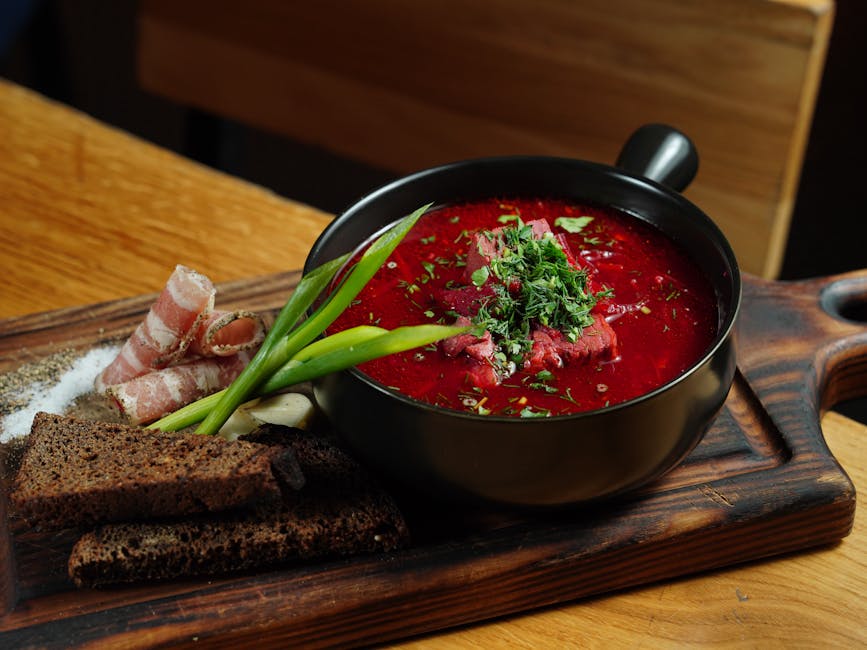
Authentic Russian Borscht Recipe: How to Cook This Classic 2025 Guide
Key Takeaways
- Borscht embodies centuries of Slavic culinary tradition and community spirit.
- The soup combines earthy beets, hearty vegetables, and a rich broth for a comforting flavor profile.
- Authentic Borscht can be adapted to vegetarian, vegan, or regional variations while preserving its cultural essence.
Quick Navigation

The Rich History and Evolution of Borscht
Roots of Borscht – A Historical Perspective
The origins of Borscht stretch back to ancient times when beets were common in Slavic cooking. Initially, the dish was a wild sour soup made from foraged ingredients, including herbs and greens. As communities grew, the flavors combined into Borscht expanded, creating variations that reflect local tastes and available ingredients.
In both Russia and Ukraine, Borscht became a fundamental part of cuisine. Families passed down recipes through generations, each adding their own variations. During the 18th century, Borscht gained popularity in the Russian court, delighting nobility with its robust flavors. The layering of ingredients, from beets to various meats, showcased wealth and creativity.
Pro Tip: To appreciate Borscht’s history, visit markets such as the Danilovsky Market in Moscow or the Privoz Market in Odessa. These vibrant locations offer glimpses into the ingredients that have shaped Borscht over centuries.
Borscht in Modern Cuisine
Today, Borscht has captured the hearts of food enthusiasts worldwide, evolving beyond traditional recipes into a modern culinary favorite. With the rise of health-conscious eating, vegan versions have emerged, omitting meat while retaining rich flavors through spices and vegetable stocks. Cafés across Europe now serve innovative dishes like Borscht-infused dumplings and salads, showcasing the dish’s adaptability.
International culinary competitions often feature Borscht, gaining admiration for its depth of flavor and versatility. Creative chefs continuously experiment with fusion styles, incorporating influences from other cuisines while honoring traditional roots.
Cultural Significance of Borscht
Borscht is woven into cultural celebrations and family gatherings, symbolizing unity and hospitality. In Russia and Ukraine, serving Borscht signals welcoming guests into one’s home. During weddings, festivals, and holidays, this dish often takes center stage.
In Ukraine, a dedicated festival, the Borscht Festival, highlights the dish’s legacy, showcasing various recipes and cooking techniques. Stories of families gathering to share Borscht embody the warmth and love associated with this cherished dish.
Essential Ingredients for Russian Borscht
Core Ingredients Breakdown
An authentic Russian Borscht recipe depends on several essential ingredients that create a deeply satisfying dish. The primary components include:
- Beets: The star ingredient, providing both color and a sweet, earthy flavor
- Cabbage: Adds crunchy texture and balances sweetness with a slightly tangy note
- Potatoes: Offer heartiness and thickness, enhancing the soup’s richness
- Meat: Typically beef or pork, infusing the broth with depth
- Onions and Carrots: Essential for the base, providing foundational flavors
Each ingredient interacts to create a harmonious balance, showcasing the importance of quality and freshness in traditional preparation.
Sourcing Authentic Ingredients
When seeking authenticity for your Borscht, sourcing fresh ingredients is crucial. Markets like Danilovsky Market in Moscow and Privoz Market in Odessa offer an array of fresh produce and herbs.
Pro Tip: Look for beets with vibrant hues and firm textures. Fresh cabbage should feel heavy with tightly packed leaves. For potatoes, choose those free from blemishes that feel solid in hand.
Special Add-ins for Flavor Enhancement
While core ingredients are essential, certain additions can elevate your Borscht experience. Consider enriching your soup with:
- Dill: A key herb that adds a fresh, tangy note
- Vinegar: Provides acidity that balances sweetness
- Sour Cream: Classic garnish whose creaminess beautifully offsets the flavors
Regional variations often incorporate distinct herbs or spices, making Borscht an ever-evolving dish.
The Ultimate Step-by-Step Guide to Cooking Russian Borscht
Phase 1: Preparation
Before cooking, ensure you have the following tools:
- A large pot for soup
- A cutting board and sharp knife
- Measuring cups and spoons
- A grater for beets
Steps to Prepare:
- Gather all ingredients
- Thoroughly wash the vegetables
- Dice the meat into bite-sized pieces
- Grate the beets and carrots
- Chop the cabbage and potatoes into uniform sizes
Proper preparation sets the foundation for a successful Borscht-making experience.
Phase 2: Cooking Process
Cooking Borscht involves several stages, each contributing unique flavors:
- Make the Broth:
- In a large pot, add the diced meat and cover with water
- Bring to a simmer, skimming off impurities
- Sauté Vegetables:
- In a separate pan, sauté onions and carrots until soft
- Add the grated beets and continue cooking for 5 more minutes
- Combine and Simmer:
- Add the sautéed vegetables to the broth along with potatoes
- Simmer for an hour, allowing the flavors to blend
- Add Cabbage:
- 15 minutes before serving, stir in chopped cabbage and vinegar
- Final Touches:
- Adjust seasoning with salt and pepper to taste
- Optional: Stir in dill for fresh flavor
Phase 3: Serving and Presentation
Presentation matters when serving Borscht.
- Ladle the soup into bowls
- Garnish with a dollop of sour cream and sprinkle with chopped dill
- Serve alongside sliced rye bread for an authentic touch
Common Pitfalls & Solutions
Cooking Borscht can be intimidating for beginners. Here are common pitfalls to avoid:
- Overcooking Beets: They should retain firmness. Cook them separately first, then add
- Excessive Vinegar: Start with small amounts and adjust. Too much can overpower
- Not Balancing Flavors: Always taste throughout the cooking process and adjust seasonings gradually
In-Depth Analysis (Cost / Pros & Cons)
Financial Breakdown
Understanding the costs associated with making Borscht helps make informed decisions. Here’s a rough estimate:
- Ingredients (per serving): $5-$10
- Cooking Class: $50-$100 depending on location
- Dining Out: Restaurant prices for Borscht range from $10-$25
In major cities, the total investment for a 5-day culinary trip could average:
| Moscow/St. Petersburg | Kyiv/Odessa/Lviv | |
|---|---|---|
| Round-trip flight (US/EU) | $800-$1200 | $700-$1000 |
| 4-night stay (hostel/hotel) | $200-$400 | $150-$300 |
| Cooking class/market tour | $50-$100 | $40-$80 |
| Meals (Borscht daily) | $20-$50 | $15-$40 |
| Local transport | $30-$60 | $20-$50 |
| Total (5 days) | $1100-$1810 | $920-$1470 |
Benefit Analysis
Borscht is not just delicious but also loaded with nutrients. Beets offer antioxidants, while cabbage and potatoes provide fiber and vitamins.
Homemade Borscht allows you control over ingredients, making it lower in sodium and preservatives compared to store-bought versions.
Pro Tip: Incorporating diverse vegetables can enhance nutritional value, ensuring a healthy meal.
Drawbacks & Considerations
Creating authentic Borscht requires time and effort. The preparation can take several hours, especially during larger gatherings. Additionally, sourcing specific ingredients may pose challenges in certain areas.
However, the rewards of creating a traditional dish that embodies culture and community far outweigh the effort.
Exploring Borscht Variations Across Regions
Moscow and St. Petersburg Styles
In Moscow, Borscht is often enriched with spices and meats, showcasing imperial cooking traditions. Cafés along Nevsky Prospect offer unique takes, sometimes garnished with avocado or served in innovatively styled bowls.
Ukrainian Borscht Heritage
In Ukraine, Borscht varieties reveal regional influences. For example, Kyiv Borscht often incorporates smoked meats and additional vegetables. The Borscht Festival in Odessa celebrates these regional variations, highlighting recipes adapted to seasonal produce.
Regional Fusion Dishes
Fusion techniques blend traditional Borscht with contemporary influences. Chefs are experimenting globally, incorporating flavors from African or Asian cuisines. These adaptations celebrate heritage while embracing diversity.
Frequently Asked Questions (FAQ) about Russian Borscht
What is the best time to make Russian Borscht?
The best time to prepare Russian Borscht is during late summer to fall when vegetables are ripe and at their peak flavor. However, Borscht can be enjoyed year-round, especially during cold winter months.
Can I find authentic ingredients for Russian Borscht?
Yes, you can source authentic ingredients for Russian Borscht at local farmers’ markets or specialized grocery stores. Look for fresh beets and seasonal vegetables. Eastern European specialty stores often carry traditional ingredients.
How long does Russian Borscht last?
Properly stored in an airtight container, Russian Borscht lasts 4-5 days in the refrigerator. Many people find the flavors deepen after a day or two, making leftovers even more delicious.
Can I make vegetarian or vegan Borscht?
Absolutely. Vegetarian and vegan Borscht versions are popular and delicious. Simply omit the meat and use vegetable broth instead. The dish retains its characteristic flavors while being plant-based.
What’s the difference between Russian and Ukrainian Borscht?
While similar, Russian Borscht often includes more meat and spices, while Ukrainian versions typically feature more vegetables and may include beans. Both are delicious and authentic in their own right.
Conclusion: Embrace the Tradition of Russian Borscht in 2025
The Russian Borscht recipe offers more than just a meal—it provides a connection to centuries of tradition, family bonds, and cultural heritage. This authentic dish brings warmth to any table, whether you’re cooking for family, friends, or exploring your culinary skills.
Making Borscht from scratch allows you to experience the care and love that generations have put into this iconic soup. The combination of earthy beets, hearty vegetables, and rich broth creates a satisfying dish that nourishes both body and soul.
As you prepare your own Borscht in 2025, remember that each bowl tells a story of resilience, community, and hospitality. Whether you follow a traditional recipe or add your own variations, you’re participating in a living culinary tradition.
Ready to start cooking? Gather your ingredients, set aside a few hours, and create your own authentic Russian Borscht. Share it with loved ones and experience the joy that this beloved dish has brought to millions across generations. Your kitchen will soon be filled with the aromas and warmth that make Borscht a true comfort food classic.