
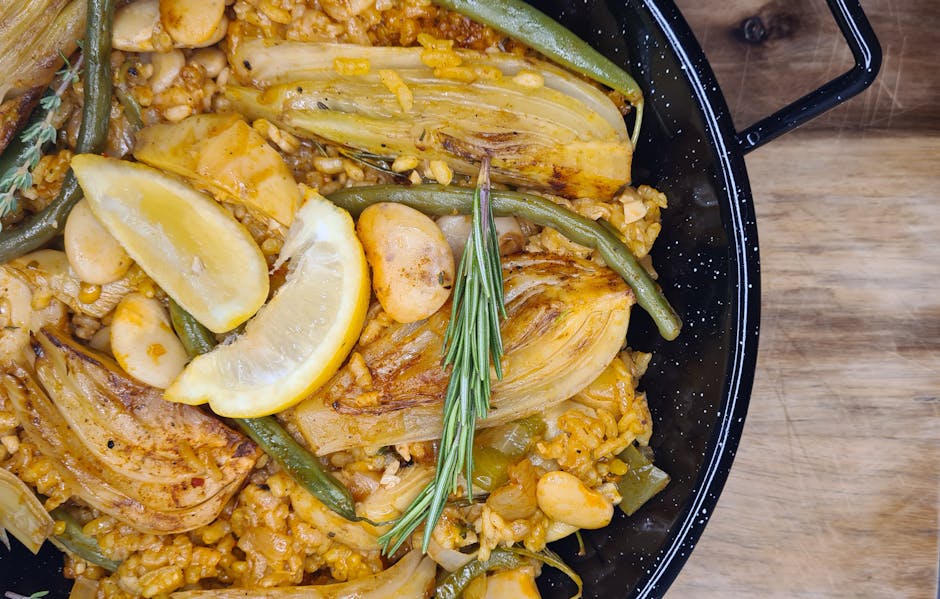
Authentic Spanish Paella Valenciana Recipe & Guide 2025
Key Takeaways
- Authentic Spanish Paella Valenciana originates from the Valencia region and relies on traditional ingredients like bomba rice, rabbit, chicken, and local beans.
- Mastering the cooking technique, especially achieving the coveted socarrat (crispy bottom layer), is essential for an authentic result.
- Enhance your paella experience by sourcing local ingredients in Valencia, attending cooking classes, or participating in local festivals and events.

Quick Navigation
- Introduction to Spanish Paella Valenciana
- The Origins of Spanish Paella Valenciana
- Essential Ingredients and Their Significance
- Cultural Significance and Variations of Paella
- The Ultimate Step-by-Step Guide to Authentic Spanish Paella Valenciana
- Phase 1: Preparation of Ingredients
- Phase 2: Cooking Methodology
- Phase 3: Plating and Serving Suggestions
- Common Pitfalls and Solutions While Cooking
- Cost Analysis: Attending a Paella Cooking Class in Valencia
- Financial Breakdown of Attending Classes
- Benefit Analysis of Cooking Classes
- Drawbacks and Considerations of Culinary Tourism in Valencia
- Experiencing Paella in Valencia: Festivals and Events
- Paella Day in Sueca
- Paella Competitions in Pinedo
- Cooking Workshops at Local Farms
- The Benefits of Sourcing Local Ingredients for Spanish Paella Valenciana
- Mercado Central: The Heart of Fresh Ingredients
- Farming Tours in Albufera
- Building Relationships with Local Suppliers
- Conclusion: Mastering Spanish Paella Valenciana in 2025
Introduction to Spanish Paella Valenciana
Spanish Paella Valenciana is more than a dish—it represents Spanish culture, history, and the fertile lands of Valencia. This iconic recipe comes from the rice-rich region surrounding Albufera Natural Park and celebrates local ingredients and traditional cooking methods. Originally created as a meal for agricultural workers using available ingredients, paella has become a beloved culinary icon worldwide. (Source: Wikipedia).
Understanding the techniques and traditions of Spanish Paella Valenciana is essential for anyone wanting to master authentic Spanish cuisine. This comprehensive guide covers the origins, ingredients, and preparation of this celebrated dish, highlighting its cultural significance and Valencia’s unique culinary journey.
The Origins of Spanish Paella Valenciana
Spanish Paella Valenciana has a history as rich as its flavors. The dish originated in the fields and farms of Valencia centuries ago. Agricultural laborers in the stunning landscapes of Albufera Natural Park used fresh, local ingredients to create this hearty meal.
The dish reflects its roots through carefully chosen ingredients. Traditional components include bomba rice, essential for achieving the signature texture, alongside rabbit and chicken—both abundantly available in the region. The flat green beans, or bajoqueta, and the larger garrofón beans contribute to the unique flavor profile and authenticity.
Understanding these origins enhances your appreciation of the dish and informs proper cooking methods. Each ingredient plays a crucial role, symbolizing the land and the laborers who originally crafted it.
Essential Ingredients and Their Significance
To make authentic Spanish Paella Valenciana, you must understand each ingredient’s importance. Here are the key components:
- Bomba Rice: This short-grain rice absorbs liquid brilliantly while maintaining its shape. It’s the backbone of any paella, creating the perfect creamy texture.
- Saffron: This spice imparts a vibrant yellow color and complex flavor that defines paella. It’s essential for authenticity.
- Rabbit and Chicken: These proteins provide savory richness. Traditionally, they represented the common fare of Valencia’s rural communities.
- Bajoqueta (Flat Green Beans): These add a distinct crunch and freshness.
- Garrofón Beans: These large white beans are traditional elements, lending unique texture and taste.
For sourcing these ingredients, local markets like the famous Mercado Central are treasure troves. There, you can find fresh produce and quality meats essential for perfect paella.
Cultural Significance and Variations of Paella
While Spanish Paella Valenciana is celebrated in its own right, many people confuse it with other regional variations. For instance, seafood paella, which often includes fish and shellfish, lacks the earthy notes from traditional paella Valenciana ingredients. Similarly, mixed paella combines both meat and seafood, diverging further from the classic recipe.
Understanding these variations highlights the authenticity of Spanish Paella Valenciana. Each Spanish region has developed its own style while retaining the cultural and culinary significance of the original dish. This awareness deepens your culinary experience, allowing you to appreciate regional nuances in texture and flavor.
The Ultimate Step-by-Step Guide to Authentic Spanish Paella Valenciana
Phase 1: Preparation of Ingredients
Preparation is key to creating exceptional Spanish Paella Valenciana. Here’s a detailed list of ingredients and preparation steps:
Ingredients:
- 500g Bomba rice
- 1 whole rabbit, chopped
- 500g chicken, chopped
- 200g garrofón beans
- 200g bajoqueta (flat green beans)
- 1 onion, diced
- 4 cloves of garlic, minced
- 1 tsp smoked paprika
- 1 pinch of saffron threads
- Chicken or vegetable broth (about 1.5L)
- Olive oil (for cooking)
- Salt (to taste)
- Lemon wedges (for serving)
Preparation Steps:
- Begin by marinating the rabbit and chicken with salt, pepper, and smoked paprika for at least an hour.
- Chop the green beans into bite-sized pieces.
- Mince the garlic and dice the onion, setting these aside.
Organizing your ingredients and preparing them ahead of time makes the cooking process smoother and more enjoyable.
Phase 2: Cooking Methodology
Now that your ingredients are prepared, follow these step-by-step instructions for successful cooking:
- Heat the Paellera: In a large paellera (paella pan), heat a generous amount of olive oil over medium heat.
- Brown the Meats: Add the marinated rabbit and chicken, browning them for about 5-6 minutes until golden.
- Sauté Onions and Garlic: Toss in the diced onion and minced garlic, cooking until softened—about 3-4 minutes.
- Add the Vegetables and Spices: Stir in the chopped bajoqueta and garrofón beans, along with the saffron and smoked paprika. Mix well.
- Pour in the Rice: Add the bomba rice, allowing it to toast slightly. This enhances its nutty flavor.
- Add Broth: Pour in the hot broth, ensuring even distribution. The typical ratio is 2:1 for rice to broth.
- Achieving Socarrat: Lower the heat and allow the paella to cook undisturbed for about 15-20 minutes. Avoid stirring the rice at this stage to form a crust at the bottom, known as socarrat.
- Check and Serve: After 20 minutes, if the rice appears too dry, add a splash of broth. Once cooked, let it rest for 5-10 minutes off the heat. Garnish with lemon wedges.
Temperature control and timing are paramount for achieving perfect socarrat. Use a spatula to check the bottom of the pan for that delightful crispy layer.
Phase 3: Plating and Serving Suggestions
Serving Spanish Paella Valenciana is an experience in itself. Traditionally, paella is served straight from the pan, allowing everyone to dig in family-style. Enhance the presentation with garnishes like:
- Fresh lemon wedges
- Sprigs of parsley for color
Pair your paella with traditional sides such as a simple green salad or crusty bread for soaking up those delicious flavors. Enjoying paella in this communal setting embodies the spirit of Valencian dining.
Common Pitfalls and Solutions While Cooking
Cooking paella can be challenging, particularly for beginners. Here are common mistakes and their solutions:
- Incorrect Rice to Liquid Ratio: Always use the correct ratio of rice to broth. A 2:1 ratio usually works best for bomba rice.
- Overcrowding the Pan: Ensure you use a large enough paellera; overcrowding leads to steaming instead of the desired frying method, affecting texture.
- Not Allowing Socarrat to Form: Avoid stirring the rice once the broth is added. The socarrat is a hallmark feature of authentic paella.
Being aware of these pitfalls helps you better navigate your cooking and fully enjoy the process.
Cost Analysis: Attending a Paella Cooking Class in Valencia
Financial Breakdown of Attending Classes
Participating in a cooking class focused on Spanish Paella Valenciana is a delightful way to enhance your culinary skills while enjoying Valencia’s culture. Here’s a breakdown of potential costs:
- Class Fees: Expect to pay between $50 and $80 for a 2-3 hour paella cooking class.
- Transport: Budget approximately $10-20 for local transport (bus or taxi) to the class location.
- Meal Cost: If you’re dining out for authentic paella, costs can range from $20 to $35 per meal.
Total Expected Costs: A day trip could range from $100 to $180, depending on personal preferences.
Benefit Analysis of Cooking Classes
Attending a paella cooking class provides numerous benefits:
- Hands-On Experience: You gain firsthand knowledge from experienced local chefs about authentic cooking techniques.
- Culinary Insights: Learn about the significance of each ingredient and traditional practices behind paella.
- Cultural Engagement: Cooking alongside locals enriches your understanding of Valencia’s food culture, making your experience immersive.
These classes not only hone your cooking skills but also provide a meaningful connection to the history and tradition of Spanish Paella Valenciana.
Drawbacks and Considerations of Culinary Tourism in Valencia
Despite the advantages, there are considerations before participating in culinary tourism:
- Learning Curve: Beginner cooks may find the techniques challenging, making it less enjoyable if expectations are too high.
- Tourism Crowds: Peak tourist seasons often mean crowded classes and potentially hindered experiences.
- Cost Implications: Compared to self-teaching at home, attending class may incur higher costs due to travel and fees.
Balancing the joys and potential drawbacks of culinary classes will ensure a rewarding experience in Valencia.
Experiencing Paella in Valencia: Festivals and Events
Paella Day in Sueca
One of the standout events in Valencia is Sueca’s Paella Day. Held on the second Sunday of September, this festival attracts locals and visitors alike.
Attendees can participate in communal paella cooking, witness traditional culinary contests, and sample giant servings of this iconic dish. Imagine a vast landscape filled with the fragrant aroma of saffron, laughter, and the energy of shared culinary passion—it’s a must-experience event.
Paella Competitions in Pinedo
In the coastal village of Pinedo, passionate chefs compete in paella contests. These competitions showcase various authentic recipes, with strict judging criteria emphasizing technique and flavor.
Local customs, such as cooking over open flames, highlight deep-rooted traditions. If you’re in town during these events, witnessing the vibrancy of these competitions offers a unique opportunity to connect with local culture and culinary heritage.
Cooking Workshops at Local Farms
Participating in cooking workshops at local farms in Valencia, especially around Albufera, enriches your experience. You can learn from local chefs, work directly with fresh produce, and explore the agricultural practices that shape the cuisine.
This allows you to prepare authentic paella and appreciate the journey of each ingredient from farm to table. These workshops often incorporate elements of sustainability, connecting visitors with the land’s heritage.
The Benefits of Sourcing Local Ingredients for Spanish Paella Valenciana
Mercado Central: The Heart of Fresh Ingredients
Valencia’s Mercado Central is an essential stop for anyone aiming to create Spanish Paella Valenciana. Here, you’ll find an array of fresh produce, local meats, and specialty spices.
Exploring the vibrant market stalls allows you to connect with local vendors, often eager to share their knowledge of traditional Spanish cooking and ingredients. The quality and freshness of local produce elevate your paella, ensuring it is both authentic and delicious.
Farming Tours in Albufera
For a deeper understanding of Spanish Paella Valenciana, consider taking a farming tour in Albufera. Here, you can discover traditional rice-growing practices that favor the flavor of bomba rice.
These tours offer insight into sustainable farming methods and the environmental factors that make Valencian rice unique. Walking through the rice paddies and learning from local farmers adds depth to your appreciation of this essential ingredient.
Building Relationships with Local Suppliers
Developing relationships with local suppliers enhances your cooking experience. Many vendors at Mercado Central and surrounding areas offer specialized products unavailable elsewhere.
These connections provide access to seasonal ingredients, expert advice on preparation techniques, and insider knowledge about the best products for authentic paella. Building these relationships transforms ingredient shopping from a simple errand into a cultural exchange.
Conclusion: Mastering Spanish Paella Valenciana in 2025
Spanish Paella Valenciana represents the heart of Valencian cuisine and culture. From understanding its historical origins to mastering the cooking techniques, this guide provides everything you need to create authentic paella at home or experience it in Valencia.
The key to perfect paella lies in respecting traditional ingredients, maintaining proper cooking techniques, and understanding the cultural significance behind each element. Whether you choose to attend a cooking class in Valencia, participate in local festivals, or recreate the dish in your own kitchen, you’re participating in a centuries-old culinary tradition.
Start your paella journey today by sourcing authentic ingredients, practicing the cooking methods outlined in this guide, and exploring the vibrant food culture of Valencia. Share your paella creations with family and friends to truly embrace the communal spirit of this iconic Spanish dish.
FAQ
Q: What is the key ingredient for authentic Spanish Paella Valenciana?
A: The key ingredients are bomba rice, which absorbs liquid well while staying firm, and saffron for color and flavor. Traditional proteins like rabbit and chicken, along with bajoqueta and garrofón beans, are also essential for authenticity.
Q: How do you achieve socarrat in paella?
A: Socarrat is the crispy bottom layer of rice. To achieve it, avoid stirring the rice after adding the broth and cook on low heat for 15-20 minutes undisturbed. This allows the rice to form a crust at the bottom of the pan.
Q: Where can I experience paella in Valencia?
A: You can experience paella by attending cooking classes, visiting local markets like Mercado Central for ingredients, or participating in festivals such as Paella Day in Sueca or competitions in Pinedo. These events offer immersive cultural and culinary experiences.
For more travel tips, visit our Home Page.