
Key Takeaways
- Baklava is a symbol of Turkish hospitality and cultural heritage.
- Quality ingredients—especially Antep pistachios, clarified butter, and proper syrup—are essential for the authentic flavor.
- Proper layering, timing of syrup application, and patience result in a crisp, sweet masterpiece.
Quick Navigation
- The Origins and Regional Varieties of Turkish Baklava
- Essential Ingredients for Authentic Turkish Baklava
- Mastering the Technique: The Art of Baklava Making
- Complete Step-by-Step Guide to Making Turkish Baklava
- Common Mistakes and How to Avoid Them
- Cost Analysis and Practical Considerations
- Health and Dietary Considerations
- Cultural Significance and Serving Traditions
- Storage and Shelf Life
- FAQ

The Origins and Regional Varieties of Turkish Baklava
Baklava has a rich history beginning during the Ottoman Empire. Theories suggest its roots trace back to Central Asia before being introduced to Anatolia, where it evolved into the beloved dessert we know today. (Source: Wikipedia).
A Historical Perspective
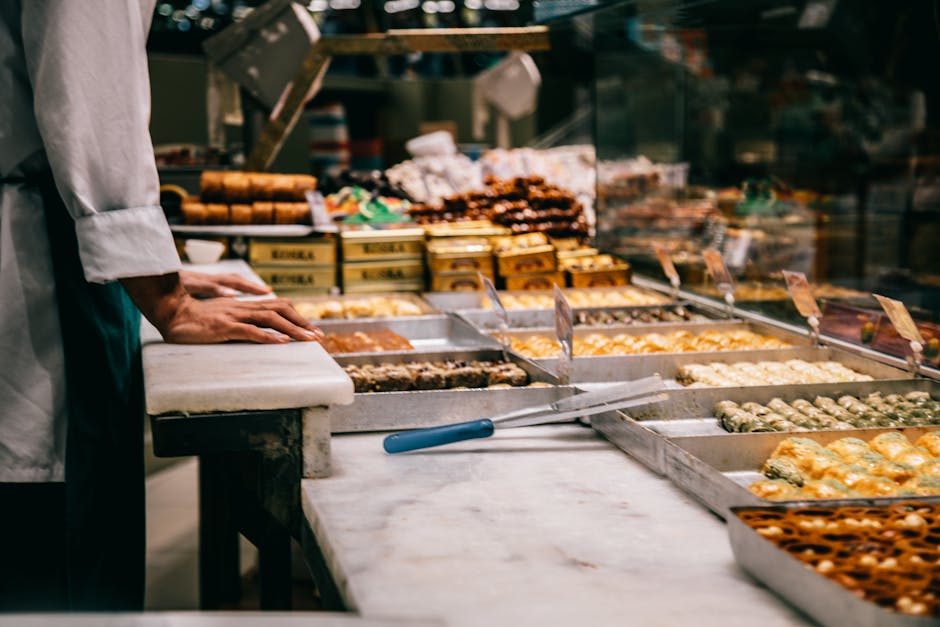
Each region in Turkey has developed its own distinctive style. Gaziantep, often called the baklava capital, is famous for its fıstıklı baklava (pistachio baklava). The use of Antep pistachios, known for their bright green color and intense flavor, makes this version special. In Gaziantep, you can visit renowned establishments like Güllüoğlu or Koçak to see master bakers craft this delicacy.
Konya offers a different approach with its walnut baklava, using local walnuts and unique syrup made with grape vinegar. This version emphasizes the walnuts’ earthy flavor, creating a taste profile that locals treasure.
In southern Adana, you’ll find şöbiyet, a sweet variation on traditional baklava. Şöbiyet includes a creamy filling and is often soaked in heavy syrup, adding an extra layer of richness.
Istanbul showcases an incredibly diverse baklava scene. From historic patisseries to modern cafes, the city offers countless interpretations of this classic dessert. The blending of various regional styles in one place reflects Istanbul’s rich culinary culture.
Understanding the origins and variations of Turkish baklava deepens appreciation for this cultural treasure. It shows how local ingredients and traditions enhance culinary arts and bring people together.
Essential Ingredients for Authentic Turkish Baklava
When making authentic Turkish Baklava, ingredient selection is crucial. Each component plays a significant role in the final product’s flavor, texture, and aroma.
Key Ingredients
1. Phyllo Dough (Yufka)
The foundation of any baklava, high-quality phyllo dough should be thin and flexible. Making phyllo from scratch can be labor-intensive but rewarding. If time is limited, purchase ready-made dough from a reliable source.
2. Nuts
The choice of nuts makes a significant difference. Antep pistachios are classic for Gaziantep-style baklava due to their superior flavor and texture. Walnuts provide a different but equally delicious taste, especially in Konya’s version. Always source fresh, high-quality nuts to guarantee crispness and flavor.
3. Clarified Butter
Unlike regular butter, clarified butter eliminates moisture, enhancing the dessert’s crispiness. Brush each layer of phyllo with clarified butter to achieve that signature flaky texture.
4. Sugar Syrup
The syrup balances the baklava’s richness. A simple syrup made from sugar and water works well, sometimes flavored with lemon juice or rosewater for added depth.
5. Spices (Optional)
While traditional recipes might not include spices, adding a touch of cinnamon or cardamom can elevate the flavor and create a unique twist.
6. Lemon Juice
When making syrup, adding lemon juice helps prevent crystallization and adds pleasant acidity, balancing the sweetness.
Mastering the Technique: The Art of Baklava Making
Making Turkish baklava is an art form requiring both skill and precision. The techniques involved determine the final dessert’s texture and flavor.
Critical Techniques
1. Hand‑Stretching Phyllo
Ideally, stretch phyllo dough by hand to create incredibly thin layers. If using pre‑made dough, handle it gently as it dries out quickly.
2. Layering
Proper layering is essential. The traditional technique involves brushing each layer of phyllo with clarified butter and alternately adding your chosen nuts. This process creates a balance between crispiness and nuttiness in each bite.
3. Cutting
Precise cutting before baking allows syrup to penetrate evenly once the baklava is cooked. Use a sharp knife to create diamond or square shapes, ensuring uniform pieces for easier serving.
4. Syrup Application
Pouring syrup correctly is vital for achieving the desired texture. Always use cold syrup on hot baklava or hot syrup on cold baklava—the temperature difference helps the syrup soak into the dessert properly.
5. Baking
Monitor the baking process carefully to achieve the perfect golden‑brown color without burning. Understanding your oven’s characteristics is essential for consistent results.
Complete Step‑by‑Step Guide to Making Turkish Baklava
Phase 1: Ingredient Preparation
Before starting your baklava‑making journey, ensure all ingredients are prepared and ready. Here’s a checklist to guide you:
- Ingredient List:
- 1 lb phyllo dough
- 2 cups finely chopped pistachios or walnuts
- 2 cups clarified butter
- 2 cups sugar
- 1 cup water
- 1 tbsp lemon juice
- Optional: 1 tsp rosewater
- Preparation Steps:
- Source quality nuts: Determine whether you’ll use Antep pistachios or walnuts. Purchase them fresh from local markets or reputable suppliers.
- Prepare phyllo dough: If making from scratch, prepare a simple dough with flour and water. Otherwise, thaw pre‑made phyllo sheets according to package directions.
- Clarify butter: Melt butter over low heat, skim off foam, and pour the clear liquid into a bowl, leaving sediment behind.
- Make syrup: Combine sugar and water in a pot, bring to a boil, then simmer for 10 minutes. Add lemon juice and optional rosewater. Let cool completely.
- Chop nuts: Process nuts in a food processor until finely chopped but not powdered.
Phase 2: Assembly and Baking
- Prepare Pan
- Preheat oven to 350 °F (175 °C). Grease a 9 × 13‑inch baking dish with clarified butter.
- Create Base Layers
- Lay down one sheet of phyllo dough in the pan and brush lightly with butter. Repeat this process, stacking 10–12 sheets for a solid base.
- Add Nut Filling
- After your base layer, evenly spread approximately ½ cup of chopped nuts over the phyllo.
- Continue Layering
- Add 3–4 more layers of buttered phyllo followed by another layer of nuts. Repeat this pattern until ingredients are used, finishing with 10–12 layers of phyllo on top.
- Cut Before Baking
- Using a sharp knife, carefully cut through all layers into diamond or square shapes. This is crucial for proper syrup absorption.
- Bake
- Bake for 45–55 minutes, or until the baklava is golden brown and crisp. The top should be evenly colored without dark spots.
Phase 3: Finishing and Serving
- Apply Syrup
- Immediately pour the cooled syrup evenly over the hot baklava. You should hear a satisfying sizzle. Let it soak for at least 6 hours or overnight for optimal flavor infusion.
- Garnish
- For beautiful presentation, sprinkle crushed nuts on top or dust lightly with finely ground pistachios.
- Serve
- Baklava pairs perfectly with traditional Turkish tea or coffee. You can also serve it with a scoop of vanilla ice cream for a delightful contrast.
- Store Properly
- Keep leftover baklava in an airtight container at room temperature. It stays fresh for up to two weeks, maintaining its delicious flavor and texture.
Common Mistakes and How to Avoid Them
Problem 1: Dried Out Phyllo
Issue: Phyllo dough dries out quickly when exposed to air.
Solution: Keep unused sheets covered with a damp cloth while working. Work efficiently but don’t rush.
Problem 2: Uneven Layering
Issue: Inconsistent butter application leads to uneven baking and texture.
Solution: Ensure each layer is brushed adequately with clarified butter. Use a pastry brush and work methodically.
Problem 3: Soggy or Dry Baklava
Issue: Incorrect syrup ratios or application timing.
Solution: Stick to the recipe’s syrup proportions (typically equal parts sugar and water). Always pour cold syrup on hot baklava or vice versa.
Problem 4: Underbaked Texture
Issue: Removing baklava too early results in a chewy texture.
Solution: Bake until golden brown throughout. Don’t rely solely on time—watch for color and crispness.
Problem 5: Difficult Cutting
Issue: Cutting after baking makes layers crumble.
Solution: Always cut the baklava before baking. Use a sharp knife and cut decisively through all layers.
Problem 6: Syrup Not Absorbing
Issue: Syrup pools on top instead of soaking in.
Solution: Ensure you’ve cut the baklava before baking. Pour syrup slowly and evenly over the entire surface.
Cost Analysis and Practical Considerations
Financial Breakdown
Making authentic Turkish Baklava at home is economical compared to purchasing from specialty shops. Here’s a rough cost estimate:
- Phyllo Dough: $5–7 for a 1‑lb package
- Antep Pistachios: $15–20 per pound (walnuts: $8–12 per pound)
- Butter: $4–6 for 1 lb
- Sugar: $2–3 for 2 cups
- Lemon and optional flavorings: $2–3
Total Cost: $30–40 for approximately 24–30 pieces
Comparison: High‑quality Turkish baklava from specialty shops costs $2–4 per piece, making a full batch $50–120.
Savings: Making baklava at home saves 40–60% while allowing you to control quality and customize flavors.
Pros and Cons of Homemade Baklava
| Advantages | Challenges |
|---|---|
| Quality Control: Select the finest ingredients without compromise | Time Investment: Requires 2–3 hours from start to finish |
| Customization: Adjust sweetness, nut types, and flavors to preference | Ingredient Sourcing: Finding authentic Antep pistachios may require specialty stores |
| Freshness: Enjoy baklava at peak flavor | Patience Required: Must wait several hours for syrup absorption |
| Sharing: Makes excellent gifts and impresses guests | Equipment Needs: Requires proper baking pans and pastry brush |
Health and Dietary Considerations
Nutritional Information (Per Piece)
Calories: 200–250
Fat: 12–15 g
Carbohydrates: 22–28 g
Protein: 3–4 g
Sugar: 15–18 g
Note: Baklava is an indulgent dessert best enjoyed in moderation as part of a balanced diet.
Dietary Modifications
For Reduced Sugar
Use less syrup or substitute honey for refined sugar. The texture will differ slightly, but flavor remains excellent.
For Vegan Version
Replace clarified butter with high‑quality olive oil or vegan butter. The taste will be different but still delicious.
For Nut Allergies
Unfortunately, nuts are essential to traditional baklava. However, you could experiment with seeds like sunflower or pumpkin, though the result won’t be authentic.
For Gluten-Free
Gluten‑free phyllo exists but is difficult to work with. Consider this an advanced modification requiring experimentation.
Cultural Significance and Serving Traditions
When Baklava is Served in Turkey
Baklava holds special significance in Turkish culture and is served during:
- Weddings and Engagements: Symbolizes sweet beginnings
- Religious Holidays: Especially during Eid celebrations
- Special Occasions: Birthdays, anniversaries, and family gatherings
- Hospitality Gestures: Offered to guests as a sign of respect and welcome
- Tea Time: Enjoyed with afternoon Turkish tea
Traditional Serving Methods
In Turkey, baklava is traditionally served:
- With Turkish Tea: The slight bitterness balances baklava’s sweetness
- With Turkish Coffee: Creates a rich, indulgent pairing
- At Room Temperature: Never refrigerated, as this affects texture
- In Small Portions: Due to its richness, small pieces are standard
- On Special Plates: Often presented on decorative serving platters
Modern Variations in 2025
Contemporary Turkish chefs and home bakers are creating innovative variations:
- Chocolate Baklava: Incorporating chocolate between layers
- Fruit-Infused: Adding dried fruits like figs or apricots
- Savory Baklava: Using cheese and herbs for appetizers
- Mini Baklava: Individual‑sized portions for modern entertaining
- Fusion Flavors: Incorporating matcha, lavender, or other non‑traditional flavors
While these innovations are interesting, traditional recipes remain the most beloved and respected.
Storage and Shelf Life
Proper Storage Methods
Store baklava in an airtight container at room temperature. It stays fresh for up to two weeks, maintaining its crispness and sweetness.
FAQ
Q1: Can I use store‑bought phyllo dough for baklava?
A1: Yes, pre‑made phyllo works perfectly if handled carefully to avoid drying.
Q2: How long should I let the baklava soak in syrup?
A2: At least 6 hours or overnight is ideal for full flavor absorption.
Q3: Is baklava gluten‑free?
A3: Traditional baklava contains wheat phyllo, so it’s not gluten‑free. Look for specialty gluten‑free phyllo if that’s a requirement.